Last Updated: November 11, 2026.
Yes, now is the time to start planning spring break 2027! You will lock in better prices and have more options when planning now than a month before.
National parks with snow-covered mountains and glaciers might sound a bit chilly for spring break, but our parks are incredibly diverse. There are amazing options for March and April, from the red rock landscapes of Utah and Arizona to the funky trees of Southern California and the white sand dunes in New Mexico.
National parks are a great alternative to a traditional beach or theme park vacation. They are the perfect place to unplug, get outside, have an adventure, and expose kids to nature.
Your kids may even put down their screens to peer down into a canyon, watch animals, or enjoy a fun jeep ride. Even if your kids aren’t hikers, there are plenty of ways to enjoy nature. Many of these parks are near towns or attractions that kids love, so you can mix in hikes and starry skies with fun detours like theme parks, zoos, and even beaches.
Here are my top 10 national park destinations for spring break. A lot of these are blazing hot in the summer, so you can enjoy the adventure without kids whining about 100-degree heat.
1. Zion and Bryce Canyon National Parks, Utah
Spring is perfect for Zion. The weather is mild, and families can enjoy big views without big hikes. The Riverside Walk follows the Virgin River into the canyon, and the Emerald Pools trails offer several short trails. Or take a scenic drive through Kolob Canyon, the less crowded but equally stunning western side of the park.
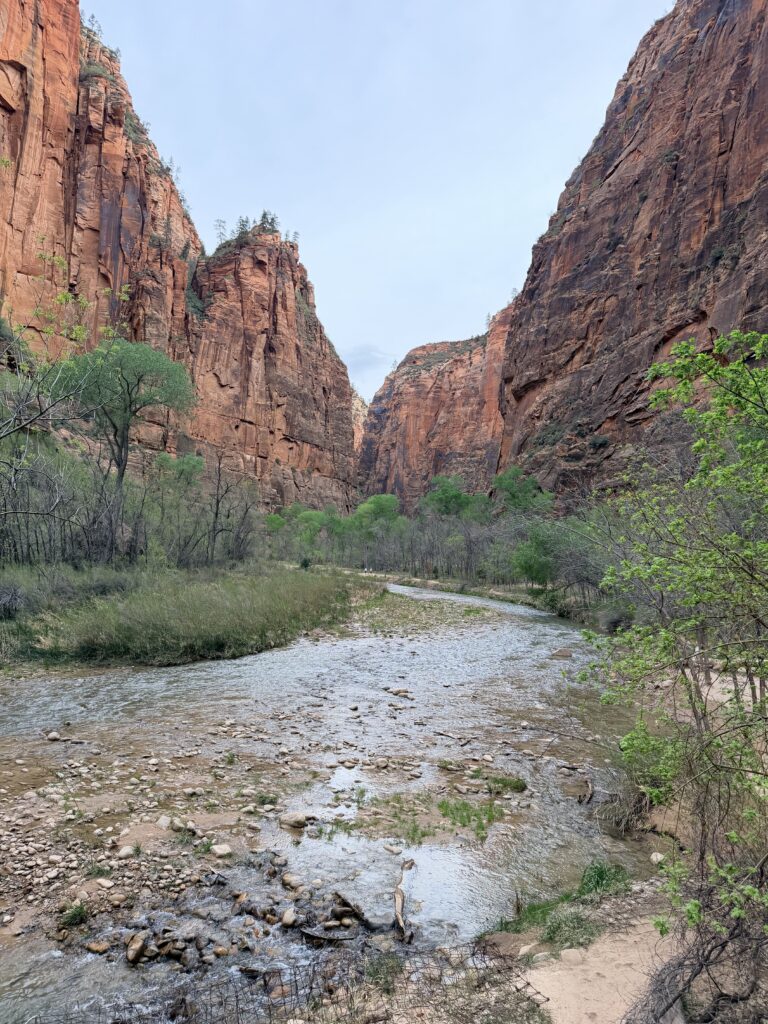
If you want something a little more adventurous, there are plenty of activities, including jeep tours, horseback riding, hot springs, or an ATV adventure. Springdale, just outside the park entrance, is a great town with a range of hotels, restaurants, and shops. And if you want something really unique the kids will love, there is a Star Wars-themed glamping place just an hour away.
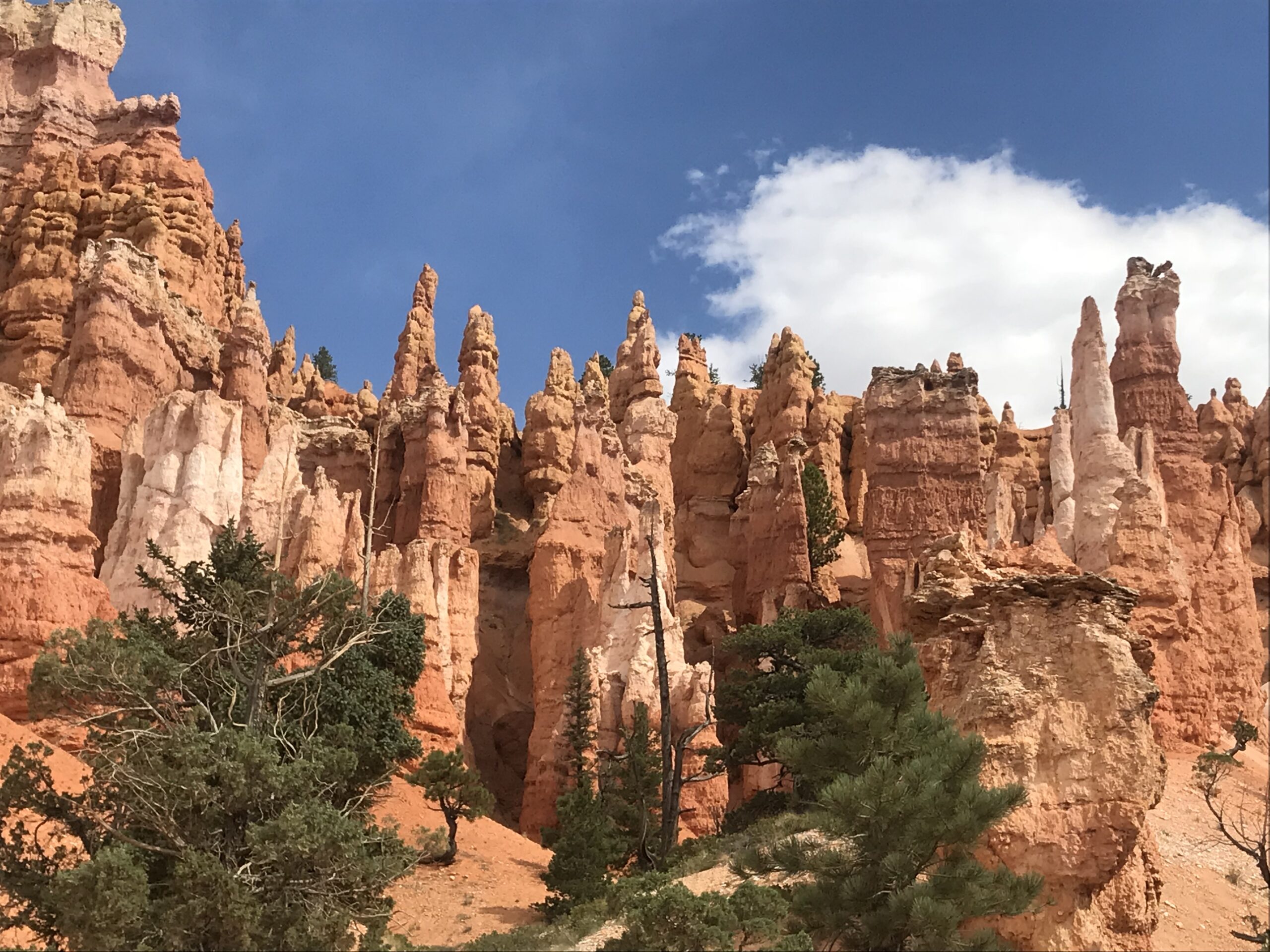
Bryce Canyon is just a couple of hours away, so it’s easy to combine these two parks. It is definitely colder because of the higher elevation, so bring a sweatshirt or jacket, especially if you’re visiting in March. The hoodoos are incredible, and you don’t have to hike far to appreciate them. The Rim Trail gives you the option to walk as much or as little as you like, with amazing views of the amphitheater.
How much time do you need? I’d plan at least 4-5 days for Zion and Bryce together. You could spend three days around Zion and one or two days exploring Bryce Canyon.
Where to stay: Springdale is the most convenient home base for Zion, while Bryce Canyon City is a good option if you want to spend more time at Bryce. If you’re looking for something different, Zion Wildflower Resort offers covered wagons, canvas tents, and cottages with red rock views. At Bryce, you can even stay in a transparent glamping dome and literally sleep under the stars, with the comfort of a real bed and furniture.
Read my complete guide to the Utah Mighty 5 for more ideas on combining Utah’s national parks and my Where to Stay in Zion guide.
2. Arches and Canyonlands National Parks, Utah
2. Arches and Canyonlands National Parks, Utah
Best for: Families who love outdoor adventure, dramatic scenery, and fun activities beyond hiking.
Moab is a fun, adventurous town and the perfect gateway to both Arches and Canyonlands National Parks. By summer, it can be insanely hot (I can hear the whining just thinking about it), but in March and April, temperatures are much more comfortable.
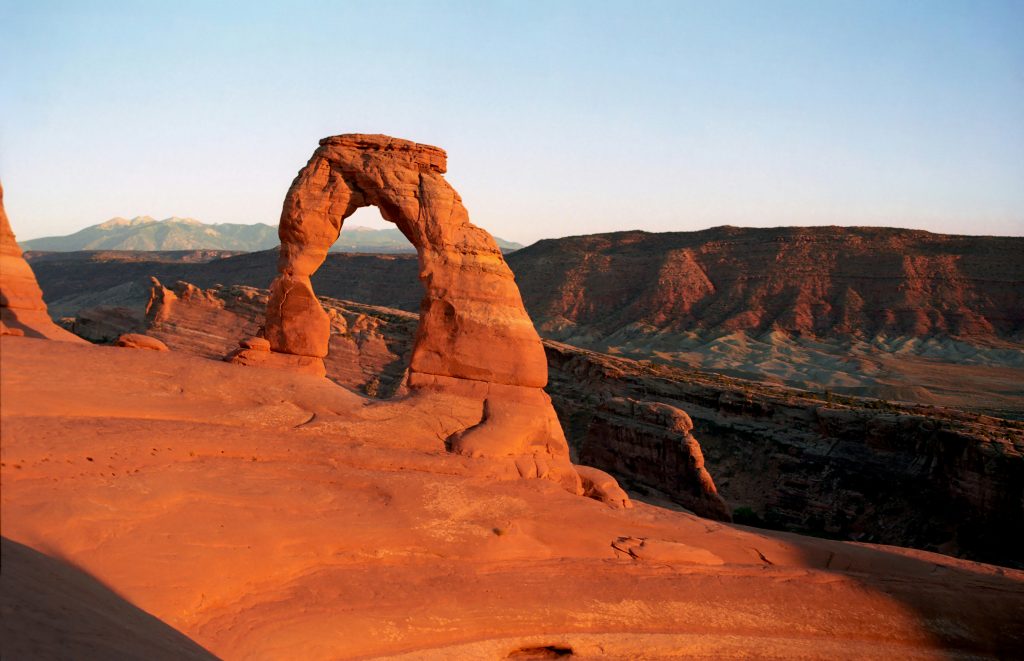
In Arches National Park, most of the popular hikes are relatively short but packed with jaw-dropping scenery. Double Arch, Sand Dune Arch, and the Windows Section are all easy wins for families. If your crew can handle a longer 3-mile trek, the Delicate Arch hike is worth every step, especially around sunset.
Canyonlands offers a totally different vibe. The Island in the Sky district has some of the most breathtaking overlooks in the Southwest, and you can see the Colorado River winding far below. Many of the best viewpoints are accessible with very little walking, which makes it a great option for families with different activity levels.
And when you’re ready to mix things up, Moab has tons of family-friendly activities. You can take an off-road jeep tour, go rafting on the Colorado River when seasonal conditions allow, rent bikes, or even visit a dinosaur museum. There are also guided UTV tours, rappelling, and airplane tours.
How much time do you need? I’d recommend 3-4 days for Arches and Canyonlands, with a little extra time if you want to enjoy the activities in Moab.
Where to stay: Moab is the obvious home base, with plenty of hotels, vacation rentals, and glamping options. Under Canvas Moab is a fun choice if you want a more outdoorsy experience without giving up comfortable accommodations.
Read my complete guide to the Utah Mighty 5 for more ideas on combining Utah’s national parks.
3. Joshua Tree National Park and San Diego, California
Best for: Families who want a combination of desert adventure, beaches, wildlife, and city attractions.
National park trips don’t have to be all about national parks. If your family loves beaches and the outdoors, this combination is hard to beat.
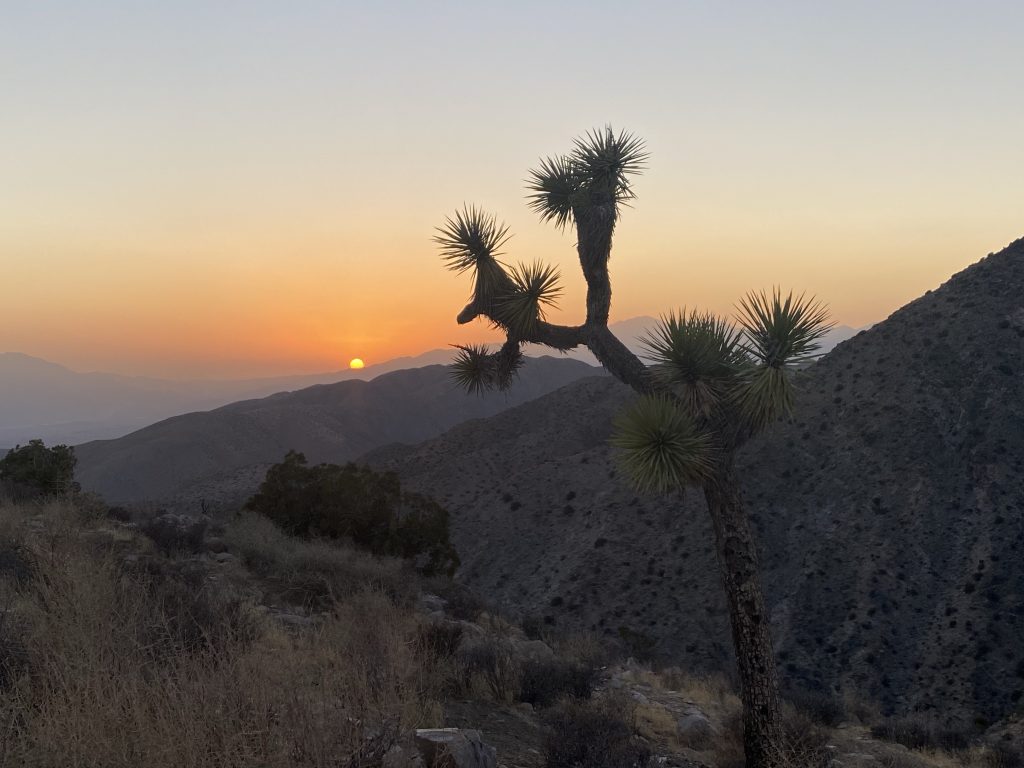
Joshua Tree National Park feels like stepping onto another planet, with massive boulders, twisty Joshua trees, and incredible stargazing. This is yet another park that gets extreme desert heat in the summer, so spring is a great time to visit.
Most of the park’s popular trails are short and relatively easy. Kids will love climbing around the rocks and exploring spots like Hidden Valley, Skull Rock, and Arch Rock. You can also drive through the park and stop at viewpoints and short trails along the way.
Stay late enough to see the sky fill with stars. Joshua Tree is one of the best dark-sky parks in the country, and the lack of city lights makes for incredible nighttime viewing.
After a few days in the desert, you can head to Palm Springs or San Diego for a total change of pace. It’s the perfect mix of nature, adventure, and relaxation all in one trip.
How much time do you need? Joshua Tree is fairly small, so 1-2 days is enough to see the highlights. You can also combine it with Death Valley, so it’s easy to fill a week with the options around here.
Where to stay: There are vacation rentals and smaller hotels near Joshua Tree, as well as glamping options like AutoCamp.
4. Grand Canyon National Park, Arizona
Best for: Families who want iconic scenery and a mix of outdoor adventure and fun activities.
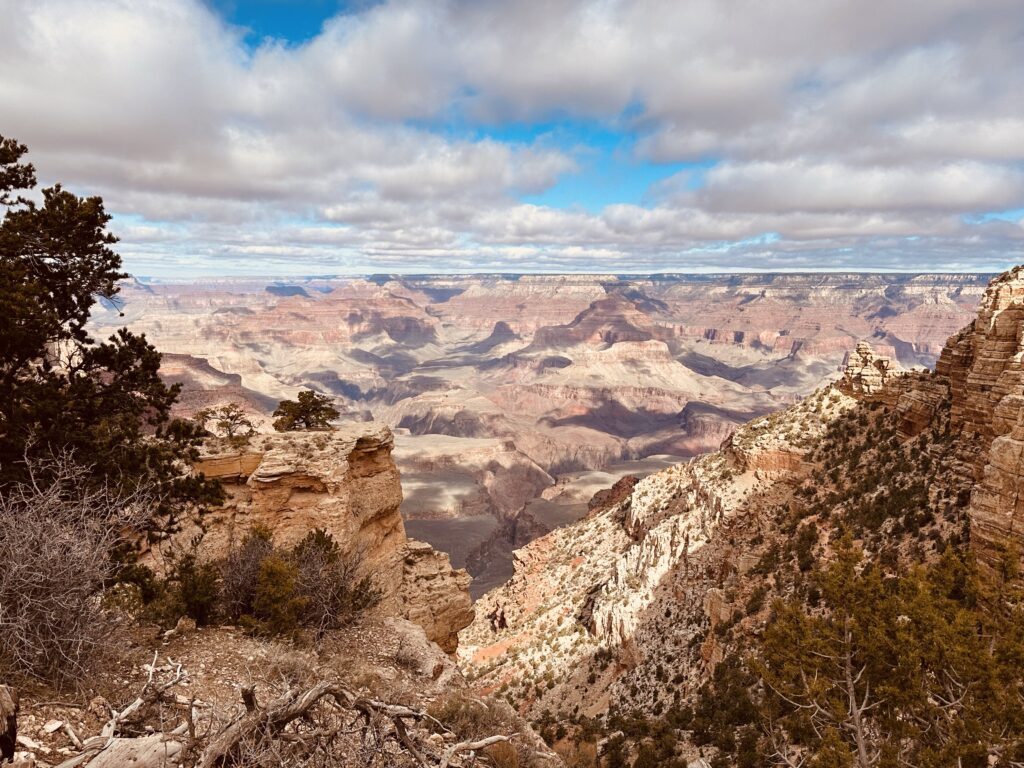
If your kids have never seen the Grand Canyon, spring break is one of the best times to go. Summer heat can be brutal, especially if you plan to hike below the rim, but March and April are great.
The views are just as spectacular as you’d expect, and you don’t need to hike far to appreciate them. Families can walk short sections of the Rim Trail, enjoy the view from a Lodge or restaurant on the rim like El Tovar, or go on a ranger-led program that brings the park’s history and geology to life for kids.
You can also take a mule ride, visit the historic buildings along the rim, or ride the Grand Canyon Railway from Williams, Arizona. The train is scenic, entertaining, and makes getting there part of the adventure.
If you’re looking for something a little different, the Grand Canyon Skywalk is located on the Hualapai Reservation at Grand Canyon West, outside the national park. It’s a separate destination, but it can be an option if you’re coming from Las Vegas and want to walk on a glass bridge over the canyon.
If you want to mix things up, add Sedona to your trip. The red rock scenery is spectacular, and there are plenty of ways to explore it. There are tons of great hikes, but you can also take a jeep tour, visit the Chapel of the Holy Cross, enjoy the scenic drives, or explore the shops and restaurants in town. And there is a range of spas and wellness activities in Sedona for the Mom who needs a little pampering!
How much time do you need? I’d recommend 2-3 nights at the Grand Canyon and 2-3 nights in Sedona. If you have a full week, you can enjoy both without feeling rushed.
Where to stay: At the Grand Canyon, you can stay inside the park near the rim or in Tusayan, just outside the entrance. Sedona has everything from family-friendly hotels to upscale resorts and vacation rentals.
Check out my guide on The Best Things to Do at the Grand Canyon Beyond Hiking.
5. White Sands National Park and Albuquerque, New Mexico
Best for: Families with younger kids, unique outdoor experiences, and travelers looking for something a little different.
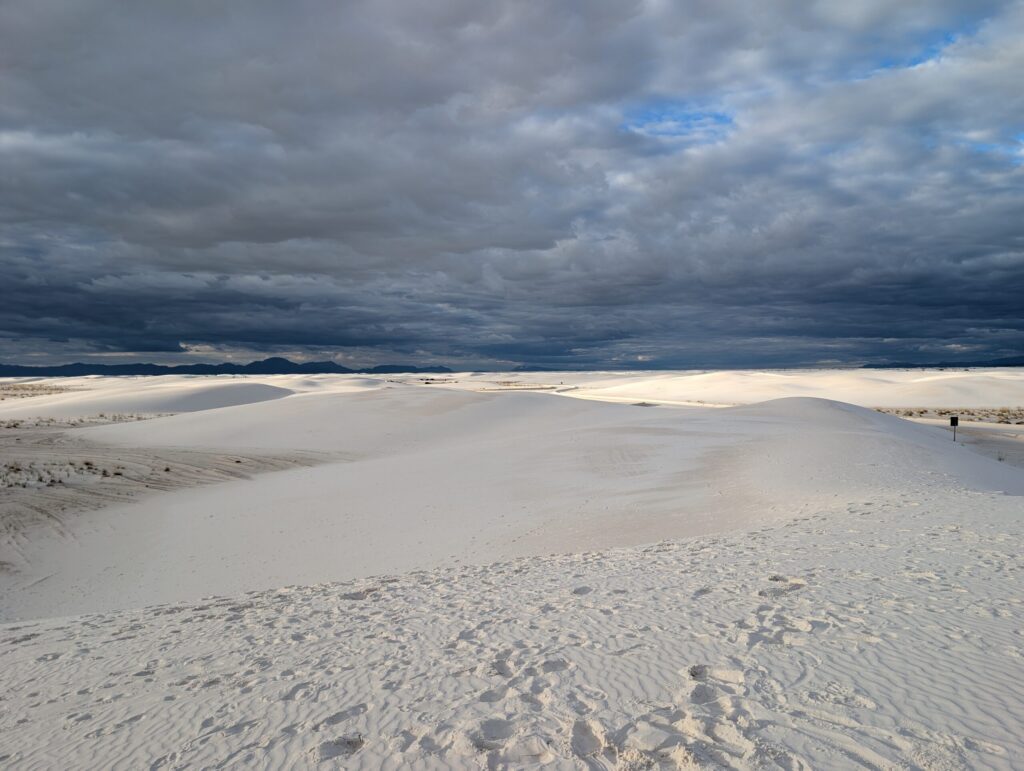
White Sands is one of the most underrated national park family destinations. The big attraction, as the name implies, is the white sand dunes. You can rent sleds or sandboards and slide down the dunes, roll around, and burn off tons of energy while soaking in one of the coolest landscapes in the Southwest.
The dunes are made of gypsum, which gives them their brilliant white color. The bright white dunes reflect sunlight, so it will feel warm, even in the spring.
You can hike the short nature trails, drive the scenic Dunes Drive, or simply find a good spot to play in the sand. And it’s easy to combine it with Albuquerque and Santa Fe, which offer New Mexico culture with family-friendly attractions. Visit the ABQ BioPark, ride the Sandia Peak Tramway, explore Old Town, or grab a green chile cheeseburger at one of the local spots.
For adventurous families, there’s white-water rafting and hot air ballooning.
How much time do you need? Two days is enough for White Sands itself, but I’d plan 4-5 days if you’re combining it with Albuquerque or Santa Fe. All three can easily fill a week.
Where to stay: Alamogordo is the closest town to White Sands, with more hotel options in Las Cruces and Albuquerque.
6. Great Smoky Mountains National Park, Tennessee and North Carolina
Best for: East Coast families, wildflowers and waterfalls, and kids who want a little more entertainment beyond the national park.
If you’re looking for an East Coast option, the Smokies are one of the best national parks for spring break. The park straddles the border of Tennessee and North Carolina, offering misty mountains, waterfalls, and endless family-friendly trails.
For easy hikes, check out Laurel Falls or some of the shorter trails around the park. If your kids love wildlife, Cades Cove is a must. The scenic loop is a great place to look for deer, wild turkeys, and maybe even a black bear.
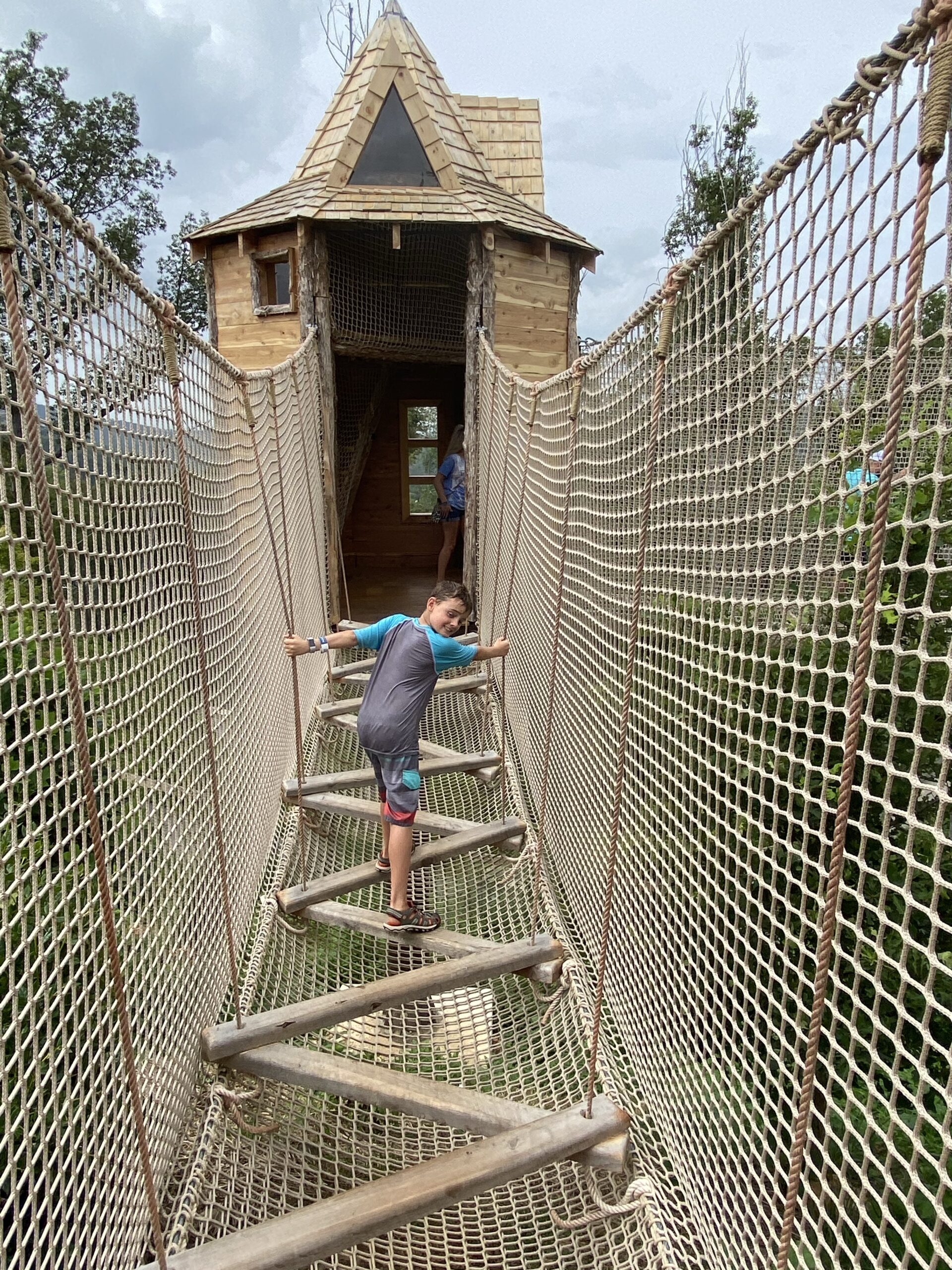
And for kids who are clamoring for a Disney trip, staying in Gatlinburg or Pigeon Forge is like a mini-Orlando. There’s Dollywood and every kid-friendly attraction you can imagine, including mini-golf, go-karts, indoor snow tubing, mountain coasters, an aquarium, and much, much more. Anakeesta Adventure Park is my favorite, but there are also ATV adventures, ziplines, rafting, and so much more.
There is a wide range of family-friendly vacation rentals where you can spread out and have your own space. Some have indoor pools, game rooms, and mountain views, which can be a big hit with kids.
Check out hotels and vacation rentals in Gatlinburg and Pigeon Forge.
The Smokies are a great compromise for families who want outdoor adventure but also need some entertainment to keep everyone happy.
How much time do you need? I’d recommend 4-6 days, especially if you want to spend time in both the national park and Gatlinburg or Pigeon Forge, but you can easily spend a week here.
Where to stay: Gatlinburg is convenient for the park and downtown attractions. Pigeon Forge has more of the large family attractions.
Read my guide to the best things to do in the Great Smoky Mountains.
7. Yosemite National Park, Big Sur, and San Francisco, California
Best for: Families who want a mix of mountains, waterfalls, coastal scenery, wildlife, and city attractions and don’t mind a little cold.
Yes, it can be a little chilly in Yosemite in March, but that’s also part of the charm. The crowds are much smaller than in summer, waterfalls are roaring from snowmelt, and the scenery is spectacular.
By April, things start to open up more compared to March, though some higher-elevation roads, including Tioga Road, typically remain closed until late May or June. Yosemite Valley and the main visitor areas are accessible year-round, but spring weather can still bring rain, snow, and changing road conditions.
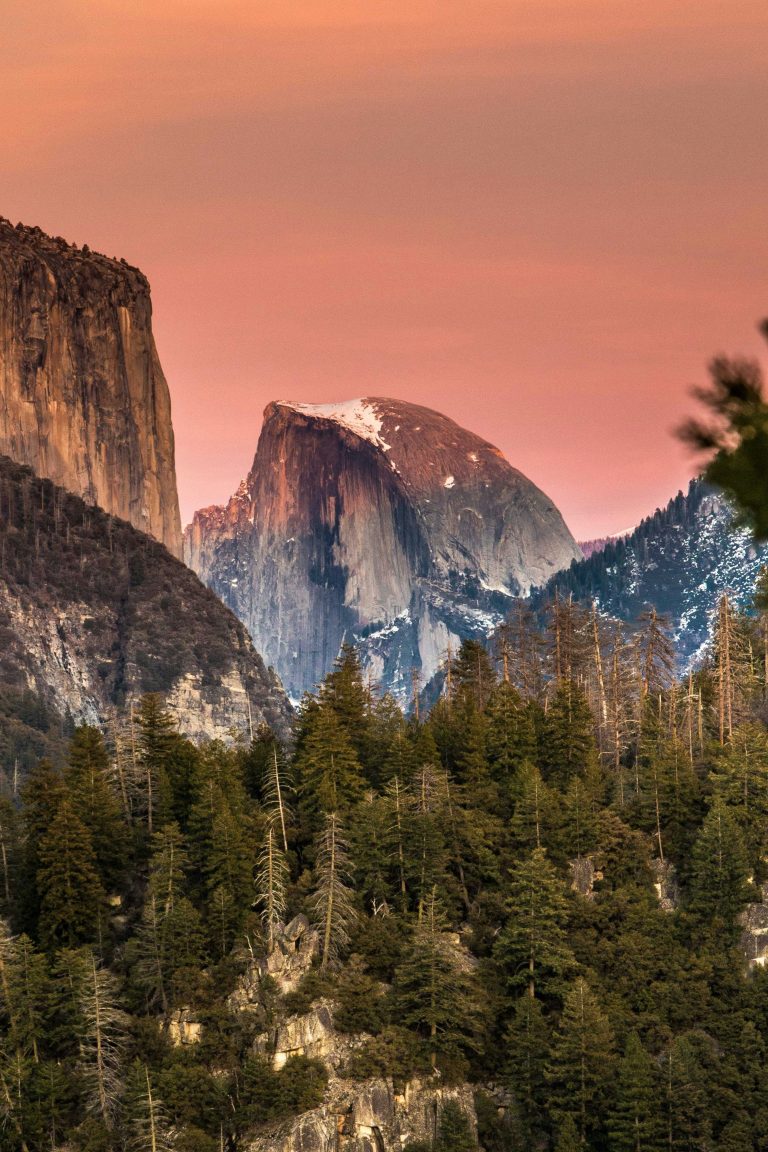
You can explore Yosemite Valley, see Yosemite Falls, walk around the meadows, and enjoy the incredible views of El Capitan and Half Dome. As usual with most parks, there’s plenty of hiking and plenty of non-hiking things to do. Check out the best things to do in Yosemite beyond hiking.

If you pair Yosemite with a coastal drive through Big Sur and a couple of days in San Francisco, you’ll have an unforgettable mix of mountains, ocean views, and city adventure.
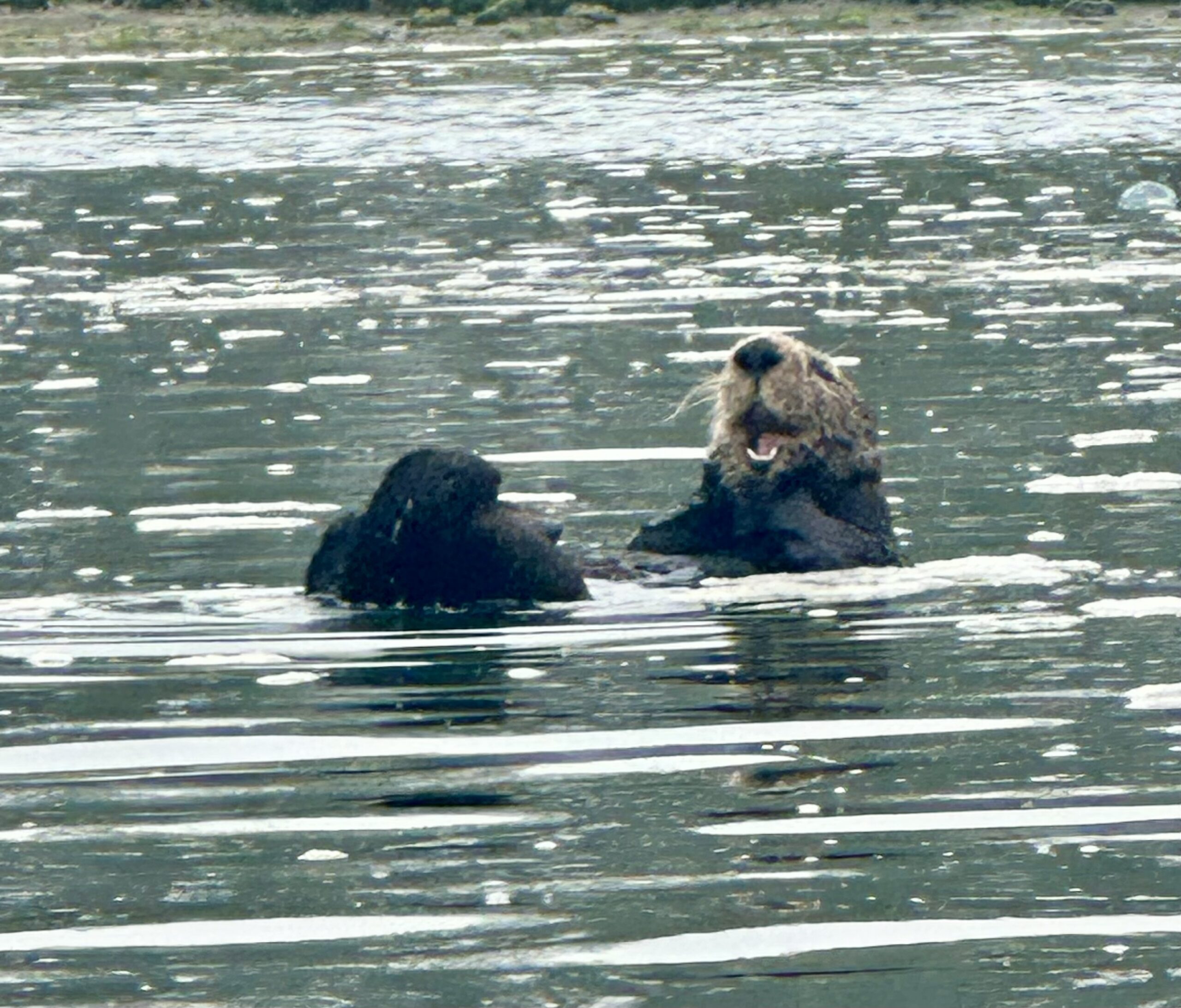
Big Sur’s coastal scenery is beautiful year-round, and spring is a great time for whale-watching. You can visit the beaches, explore the viewpoints along Highway 1, or take a guided kayaking trip. One of my all-time favorite experiences was kayaking with sea otters. We kayaked right next to this adorable guy in Big Sur!
San Francisco offers so many family favorites, including the sea lions at Pier 39, walking the Golden Gate Bridge, sourdough bread, the Exploratorium, ferry rides to Alcatraz, and, of course, chocolate at Ghirardelli Square.
How much time do you need? This is a bigger trip, so I’d plan at least 7-9 days if you want to include Yosemite, Big Sur, and San Francisco. You can also shorten the trip by focusing on Yosemite and one of the other destinations.
Where to stay: Yosemite Valley lodging is convenient but books up early. You can also stay in gateway towns such as El Portal or Mariposa. Check out my full Where to Stay in Yosemite Guide.
Read my Yosemite itinerary guide for help deciding how many days to spend in the park.
8. Everglades National Park, Florida
Best for: Wildlife lovers, families who want warm weather, boat tours, and something completely different from the western national parks.
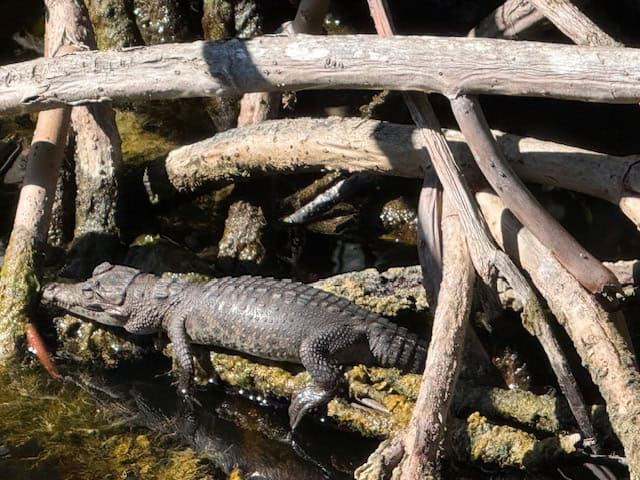
We all know Florida has theme parks and beaches for Spring Break, but it also has great National Parks. Think wetlands, mangroves, alligators, birds, and miles of waterways rather than mountains and traditional hiking trails.
March and April are the end of the dry season. Water levels are lower, wildlife is easier to spot, and temperatures are way more comfortable than in the summer.
A great family activity is exploring the Everglades by airboat. These guided rides take you across the mangroves and sawgrass marshes and are a great chance to see wildlife. You can also kayak through the mangroves.
If you want to walk, the Anhinga Trail is a great easy boardwalk through a freshwater marsh where you may see alligators, turtles, and an incredible variety of birds. Shark Valley has a paved 15-mile loop that is popular for biking, tram tours, and wildlife viewing.
You can combine the Everglades with Miami, the Florida Keys, or Naples, so you can easily combine beaches with national parks.
How much time do you need? I’d plan 2-3 days for the Everglades and add city or beach time on top of that.
Where to stay: Homestead is convenient for the park’s main entrance and the Ernest F. Coe Visitor Center.
9. Saguaro National Park and Tucson, Arizona
Best for: Desert scenery, giant cacti, wildlife, and families who want an easy outdoor vacation with plenty of other activities nearby.
If you like the idea of a desert national park, another great option is Saguaro National Park in southern Arizona.
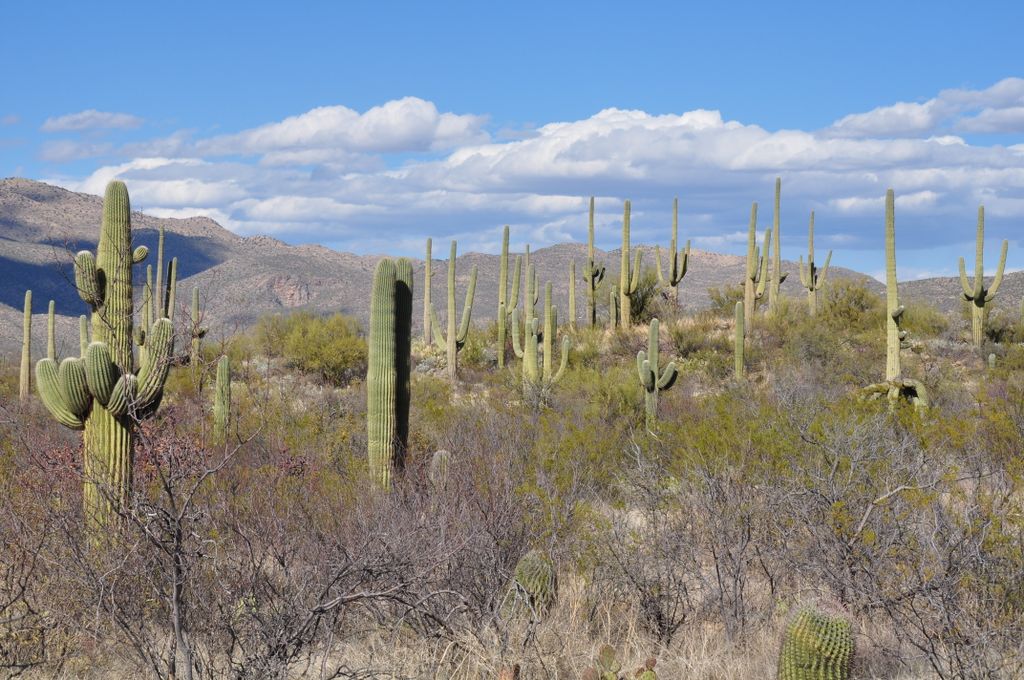
The park is split into two separate districts on either side of Tucson, and both are worth exploring. The giant saguaro cacti are the stars of the show, and spring brings colorful desert blooms, particularly when winter and early spring rainfall have been good.
Both districts have scenic drives and short trails where you can get close and see the cacti up close, so another great option for kids and non-hikers.
Tucson also has a lot of great activities, including the Arizona-Sonora Desert Museum, the historic Mission San Xavier del Bac, horseback riding, and family-friendly resorts.
How much time do you need? Two days is perfect for Saguaro, plus extra time for Tucson. You could also combine it with a longer Arizona trip that includes Sedona or the Grand Canyon.
Where to stay: Tucson has a good selection of hotels and resorts, including family-friendly properties with pools.
10. Big Bend National Park, Texas
Best for: Families with older kids, wide-open spaces, river adventures, wildlife, and incredible night skies.
Big Bend is one of the more remote national parks in the country, but if your family wants a real adventure, it can be an incredible spring break destination (and not crazy hot).
Big Bend is enormous. You can drive through the Chisos Mountains, visit the Rio Grande, explore the desert landscapes, or take a scenic drive to some of the park’s most beautiful viewpoints.
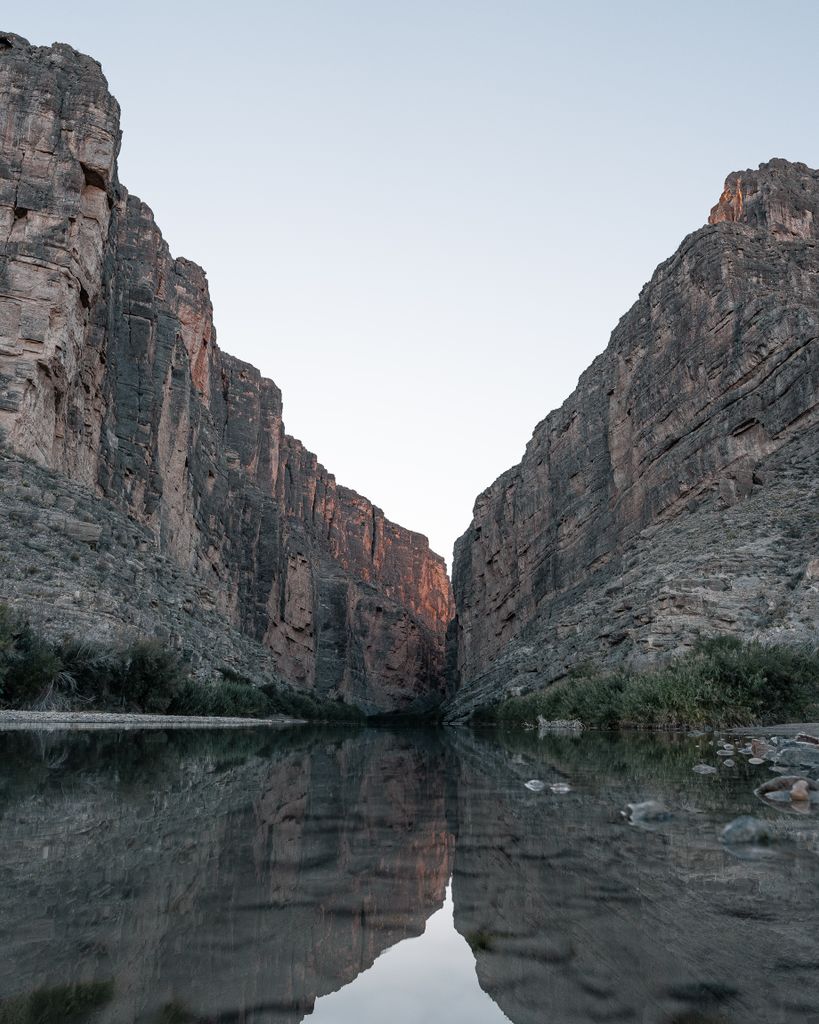
The Santa Elena Canyon area is a must, where the towering canyon walls rise high above the Rio Grande. You can take a short walk toward the canyon entrance or explore the canyon by raft or canoe, depending on water levels and conditions.
At night, Big Bend is known for its incredible dark skies. With very little light pollution, stargazing is one of the best experiences here.
Please note: Major construction in the park is pending and changing daily based on court rulings. I’d do some homework on this before planning a trip there.
How much time do you need? I’d recommend at least 4-5 days because of the distance between the park’s main areas and the time it takes to get there. This is not a quick weekend getaway.
Where to stay: There are more limited options here because of the remote location, but Chisos Mountains Lodge is a great choice in the park or the Terlingua area.
How to Choose the Best National Park for Your Spring Break
With so many options, the best destination really depends on when you’re traveling, how much time you have, and what your family enjoys doing.
Here are a few quick recommendations:
- Best overall family combination: Zion and Bryce Canyon
- Best for outdoor adventure: Arches and Canyonlands
- Best mix of national parks and city attractions: Joshua Tree and San Diego
- Best iconic national park experience: Grand Canyon and Sedona
- Best for younger kids: White Sands
- Best East Coast option: Great Smoky Mountains
- Best combination of mountains and coastline: Yosemite, Big Sur, and San Francisco
- Best warm-weather wildlife experience: Everglades
- Best desert scenery and family attractions: Saguaro and Tucson
- Best for a more adventurous family: Big Bend
Common Mistakes to Avoid
Spring break can be a great time to visit national parks, but there are a few things I would keep in mind before booking your trip.
1. Assuming Spring Means Warm Everywhere
Spring temperatures vary wildly between parks. Bryce Canyon sits at around 8,000 feet and can be pretty chilly in March. White Sands and southern Arizona are generally much warmer. Even in the desert, nighttime temperatures can drop significantly. Pack layers and don’t assume you’ll be wearing shorts and T-shirts all week.
2. Not Booking Hotels Early Enough
Spring break is a short window, and many families have similar vacation dates. Hotels near popular parks like Zion and the Grand Canyon can book up quickly, especially during school vacation weeks. If you want to stay inside a national park or at a specific hotel, try to plan six to twelve months in advance.
3. Forgetting About Spring Road Closures
Some roads remain closed well into spring because of snow. Tioga Road in Yosemite, for example, typically doesn’t open until late May or June. Trail Ridge Road in Rocky Mountain National Park also generally remains closed through much of spring. Don’t build an itinerary around a scenic drive or trail without checking whether it will actually be accessible during your travel dates.
4. Underestimating Spring Weather
Spring weather can be unpredictable. You might have beautiful sunny afternoons one day and rain, wind, or even snow the next. Bring rain jackets, warm layers, and comfortable shoes, even if the forecast looks good.
5. Trying to Do Too Much
You have one week to ten days. Unless you are really a jam-every-minute kind of family, I wouldn’t recommend five parks in one week. Pick one or two parks and really enjoy them. Add nearby towns or attractions for variety.
6. Assuming You Can Drive Everywhere Whenever You Want
A few parks have timed-entry systems or reservations for specific activities, and requirements can change from year to year. And more have driving restrictions that require you to take shuttles to certain destinations. Check the official National Park Service website for your destination before you go.
FAQ: Planning a National Park Spring Break
What is the best national park for spring break with kids?
Zion National Park is hard to beat (but it will be crowded). The weather is comfortable, the trails are scenic, and Springdale has plenty of kid-friendly activities. You can easily combine it with Bryce Canyon or even the Mighty 5 for a longer trip.
What are the warmest national parks to visit during spring break?
For warmer weather, look at southern destinations such as the Everglades, Saguaro, Joshua Tree, White Sands, and Big Bend. Temperatures still vary, especially at night, but these parks are generally better bets than high-elevation mountain parks in March.
Are national parks crowded during spring break?
Yes, some of the most popular parks can get very busy during spring break, particularly Zion, Arches, Joshua Tree, and the Grand Canyon. School vacation dates vary, so crowds can fluctuate throughout March and April. I recommend arriving early at the popular spots, and consider visiting less popular areas of the park during the busiest times of day.
Can you visit Yellowstone or Glacier during spring break?
You can visit parts of Yellowstone, but many roads and facilities remain closed through much of March and April. The park’s North Entrance is generally the main year-round vehicle access, but the interior road network has seasonal closures.
Glacier is a different story. The Going-to-the-Sun Road generally does not open until late June or early July, depending on snow conditions. You can visit parts of the park in spring, but you won’t have access to the full summer experience.
My recommendation would be to wait until summer for these parks if your goal is to explore the main attractions and drive the iconic roads.
Is Yosemite open during spring break?
Yes. Yosemite Valley and several other areas are accessible year-round, but spring conditions can be unpredictable. Some higher-elevation roads, including Tioga Road and Glacier Point Road, typically remain closed until late spring or early summer.
April can be a beautiful time to visit because waterfalls are flowing from snowmelt, but be prepared for chilly temperatures and possible snow.
Can you visit the Utah national parks in March?
Absolutely. Zion, Bryce Canyon, Arches, Canyonlands, and Capitol Reef are all open year-round, and March can be a great time to visit. The desert parks are generally more comfortable for hiking in March than they are in summer.
Can you enjoy national parks without hiking?
Absolutely. Many of the best national park experiences involve scenic drives, wildlife viewing, overlooks, boat tours, ranger programs, and short walks. You can see some of the most spectacular scenery in the country without spending all day on a trail.
I have a whole blog series on how to enjoy the national parks without extensive hiking, including The Best Things to Do in Yellowstone National Park Beyond Hiking, The Best Things to Do in Glacier National Park Beyond Hiking, The Best Things to Do in Grand Teton National Park Beyond Hiking, The Best Things to Do in Acadia Beyond Hiking, and The Best Things to Do in Yosemite Beyond Hiking.
How far in advance should I plan a national park spring break trip?
The earlier you book, the better your selection will be, especially for popular hotels and accommodations inside the parks. I’d recommend starting 4-6 months ahead if possible. If you have your heart set on a specific park lodge or unique accommodation, you may need to book even earlier. Tours and activities can also fill up during spring break, so don’t wait until the week before your trip to reserve the experiences that matter most.
Should I rent a car for a national park spring break trip?
For most of these destinations, yes. National parks are large, and public transportation is limited in many areas. A rental car gives you the flexibility to explore at your own pace, visit different park entrances, and add nearby towns and attractions. Some parks, including Zion, have shuttle systems that can reduce the need to drive once you’re there, but you’ll still need to get to the area.
Can toddlers and preschoolers enjoy a national park spring break trip?
Absolutely. Parks like White Sands, Joshua Tree, Zion, and the Great Smoky Mountains have plenty of options for younger kids. Look for short walks, scenic drives, wildlife viewing, and activities that let kids explore without requiring long hikes. Build in plenty of breaks, bring snacks, and don’t try to pack too much into each day.
Unplug and explore this spring break
There are so many ways to strike the perfect balance between outdoor adventure and kid-friendly classics, all while enjoying more comfortable weather and lighter crowds.
Whether you want red rock adventures, desert nights under the stars, wildlife encounters, or misty mountain mornings, there’s a national park trip for every kind of family. And you don’t have to be a hardcore hiker or have kids who are up for miles of walking.
Ready for some quality family time?
If it all sounds overwhelming, I can help you narrow down your options and plan your itinerary, so you spend less time researching and more time enjoying your vacation. Set up a free consultation or tell us about your trip to get a quote.
This post contains affiliate links. If you book through these links, I may earn a small commission at no extra cost to you.