Do you need a guide to visit a national park? For most national parks, the simple answer is no. Millions of people visit on their own every year.
But there are two things to think about when it comes to doing it yourself. There’s all the planning you have to do in advance of your trip. How many days do you need? Where should you stay? What do you want to do each day?
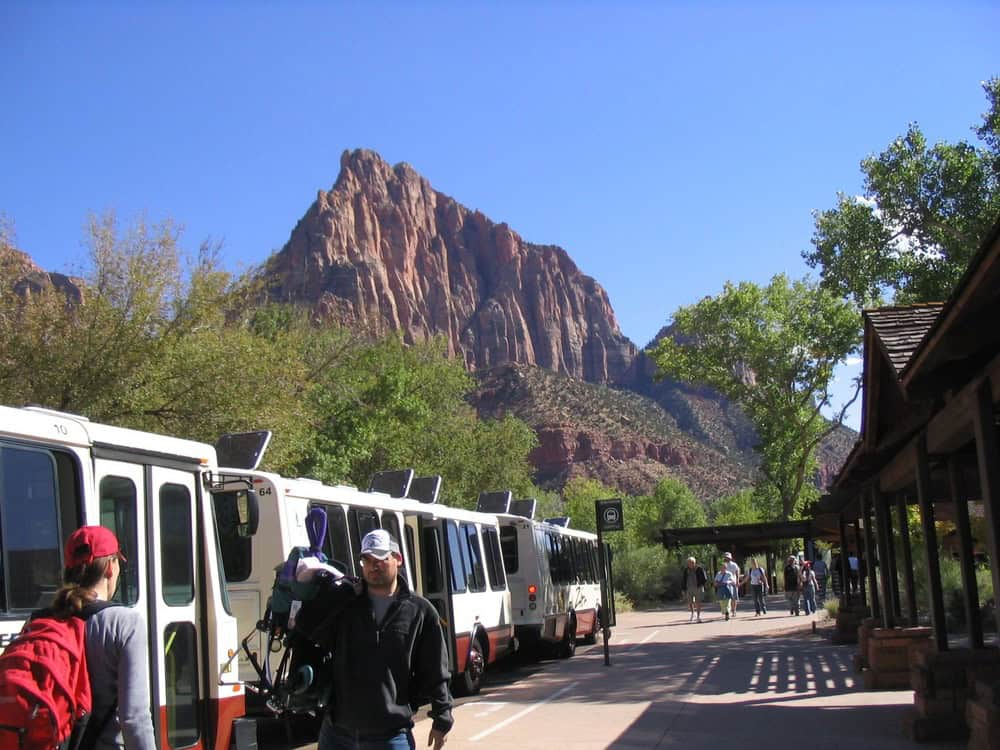
And then there’s the logistics and driving once you are there. Can I drive where I want to go, or do I need to take a shuttle? Does the shuttle require reservations? If I drive, will I be able to find parking? Is there food available in the park anywhere near where I’m going? Is there cell service? Are the hikes well-marked? Do I need
It’s a lot to think about both before and during your trip. And for a lot of people, it’s really overwhelming. And if you don’t like driving on windy roads, that can be an issue in a number of parks as well.
So, the question isn’t, “Do you NEED a guide?” It’s, “Am I going to enjoy my trip more with a guide?”
There are really three ways to plan a national park vacation:
- Plan and travel completely on your own.
- Join a fully guided national park tour.
- Plan an independent trip but add guided day trips and experiences along the way.
The right choice depends on how much independence you want, how much planning you’re willing to do, your budget, and what you actually want to do once you get there.
Option 1: Plan Your National Park Trip Yourself
If you enjoy researching trips, a DIY national park vacation can be a great option. You choose your hotels, rent a car, decide what you want to see each day, and explore at your own pace.
Pros of Planning a National Park Trip Yourself
You have complete flexibility. Want to spend an extra hour watching bison in Yellowstone? You can. Want to skip today’s hike because everyone is tired and sit by the hotel pool instead? No problem.
You control the budget. Splurge where you want on a luxury lodge and save at a basic hotel the next night.
You choose your own pace. This is particularly valuable if you have kids, older travelers, or people with different activity levels in the same group.
You can change your plans. Traveling independently gives you room to adjust.
Cons of Planning a National Park Trip Yourself
The biggest downside is pretty simple: you have to figure everything out.
And national park planning can get really complicated quickly. Permits, timed-entry reservations, seasonal roads, shuttle systems, and lodging rules vary considerably from park to park. My National Park Planning Checklist can help you figure out what to tackle first.
There are the details that aren’t particularly exciting to research:
- Can I drive to where I want to go, or do I have to take a shuttle?
- Where do you park?
- Does the parking lot fill up quickly?
- Which trailhead should you use, and is it well marked?
- How early do you need to arrive?
- Where can you buy lunch?
- What roads are open what time of year?
- Does this hike require a permit?
- Will Google Maps work?
- How do I map out each day so I’m not backtracking?
- How much am I willing to drive, and how far away are things?
Trust me, this is hours and hours of research. A travel planner or advisor can certainly help do a lot of the research for you. If you want the freedom of DIY without the work of DIY, a travel advisor that specializes in national park trips is invaluable.
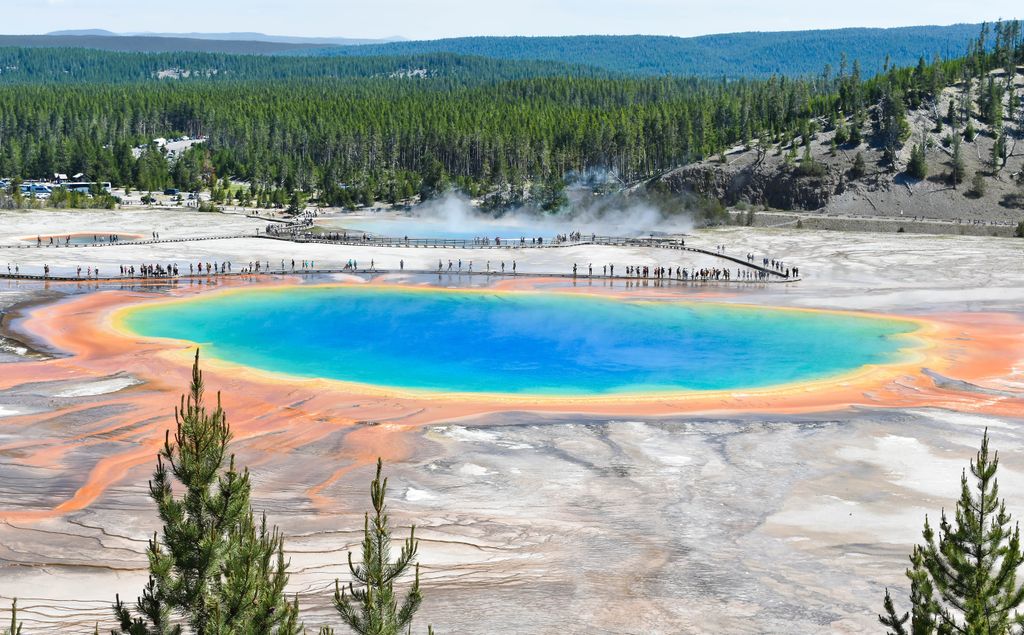
Yellowstone is a great example of a complicated trip. It’s huge, and not mapping things out well and understanding where you are staying relative to what you want to see can add hours of unnecessary driving. There are sample itineraries out there, like this Yellowstone and Grand Teton 3, 5 and 7-Day Itinerary, but you still have to do the research to customize it to what you want and figure out where to stay in Yellowstone.
If you’d rather spend your evenings doing something other than comparing trail maps and parking lots, there are other options. And if the idea of circling parking lots and driving windy roads isn’t appealing, there are other options.
Option 2: Take a Fully Guided National Park Tour
At the opposite end of the spectrum is a multi-day guided national park tour. You arrive, meet your guide or group, and the trip is handled for you.
Transportation and a driver are included during the tour, so you never have to drive or even think about directions and parking. Your itinerary is planned. Depending on the tour, lodging and some or all meals may be included. Your guide knows where you’re going and how to get there.
Pros of a Fully Guided National Park Tour
Someone else handles the logistics. You don’t have to spend every morning figuring out where you’re driving, where you’re parking, or how long it will take to get to the next stop.
You have an experienced guide. A good national park guide adds much more than transportation. Guides can provide context about geology, wildlife, history, and ecology while also knowing the practical details of navigating the park.
You don’t have to drive. This can be a major advantage on a trip involving hundreds of miles of driving, unfamiliar mountain roads, or multiple national parks.
Meals and other practical details may be handled. Depending on the tour, guides may provide snacks, lunches, or meals and know where food and restrooms are available throughout the day.
You can focus on the park. Instead of watching the GPS and looking for the next turn, you can actually look out the window.
If you want stress-free before and during the trip, this is a great option. There are options for private tours, small-group tours, or bigger tours if you want a more social group (also great for solo travelers).
Cons of a Fully Guided National Park Tour
You give up some flexibility. You’re following an itinerary rather than deciding each morning what you feel like doing.
It usually costs more. You’re paying for transportation, planning, guiding, and convenience in addition to the components of the vacation itself.
You may be traveling with other people. Small-group tours can be a great way to travel, but you need to be comfortable following a group schedule. Private tours give you considerably more flexibility, usually at a higher price.
And most importantly, you need to choose the right tour.
There is a huge difference between a tour built around challenging hikes and one focused on scenic overlooks and short walks. Tours range from rustic cabins and camping to upscale hotels and glamping.
One itinerary might start hiking before sunrise. Another might spend much more time sightseeing from a vehicle. Group size, accommodations, activity level, meals, transportation, and the amount of free time can vary considerably.
So group tours still involve research and planning. But the planning is, “Which tour is actually right for me?”
As part of Runway Travel, I have access to preferred and vetted partners and can help you find the right trip for your style and budget.
Option 3: Plan Your Own Trip and Add Guided Day Tours
This is a great hybrid option. You choose your hotels and travel independently between destinations, but add guided experiences to ease some of the logistics and add the value of an expert guide.
You might spend one day exploring Yellowstone on your own and take a guided wildlife tour into Lamar Valley the next morning.
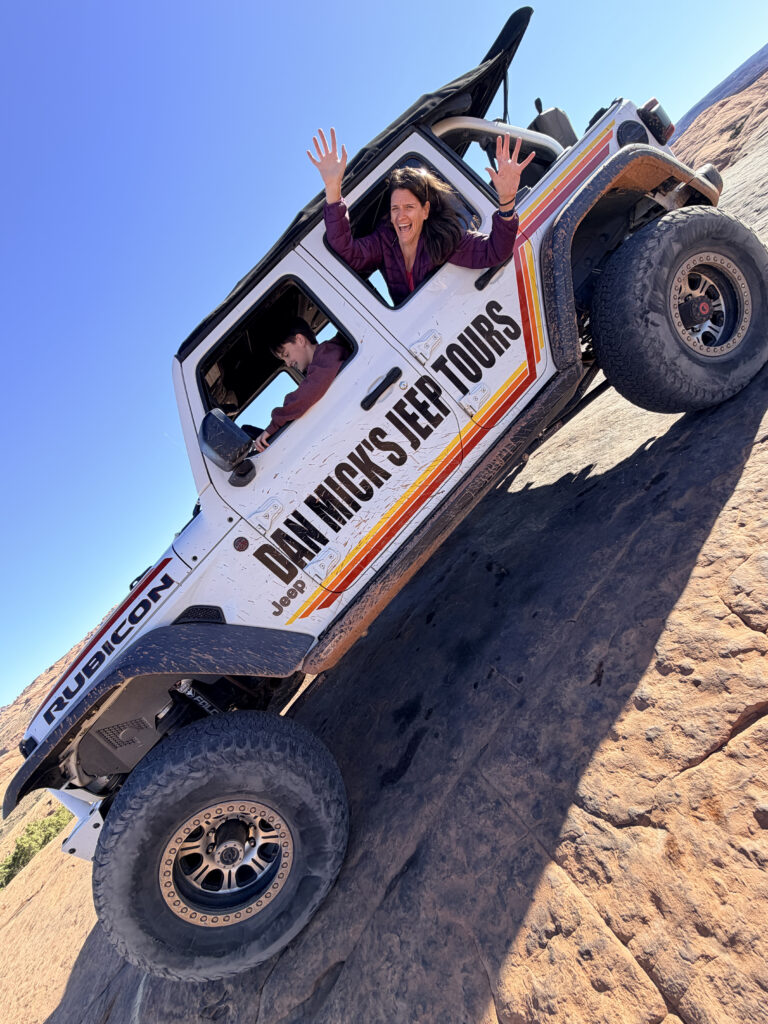
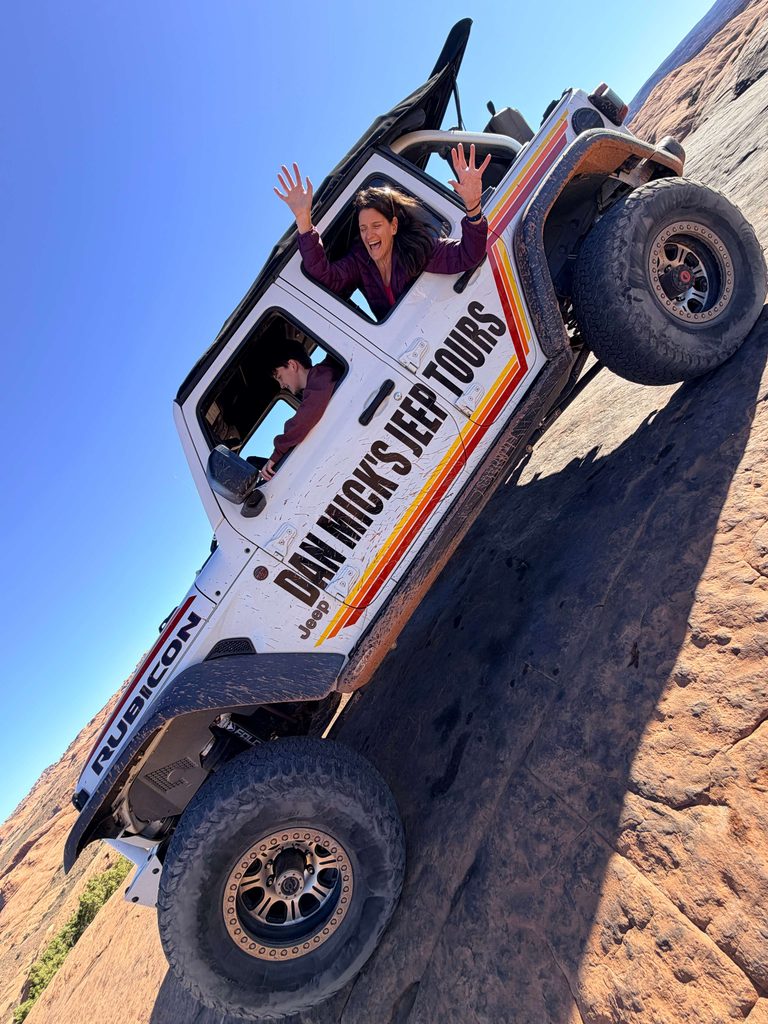
On a Utah road trip, you could drive between the parks yourself but book a guided Jeep or off-road tour in Moab. Or you can hire a private guide for one day at the beginning of your trip, then use what you’ve learned to explore independently afterward.
Why I Like the Hybrid Approach
You keep your independence. You’re not committed to a group itinerary for the entire vacation.
You can spend money where it matters most. Instead of paying for a guide every day, choose the experiences where local knowledge, transportation, or specialized equipment adds real value.
Guides can take you beyond the obvious stops. A good guide knows much more than the famous viewpoint everyone finds on Google Maps.
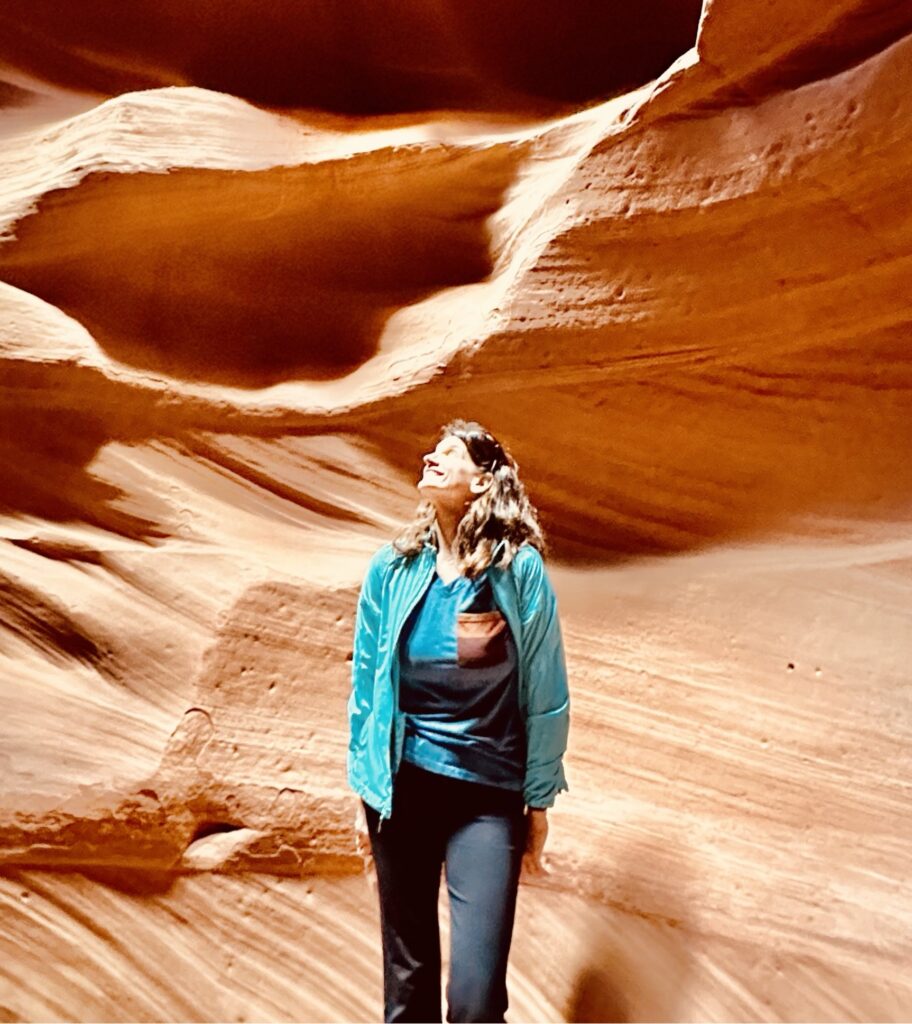
Some experiences require or strongly benefit from a guide. Slot canyons, technical activities, rafting, wildlife watching, and backcountry experiences are obvious examples. I am an experienced hiker and have definitely done things on my own where I wish I had a guide.
On a Utah Mighty 5 road trip, for example, you can drive yourself between Zion, Bryce Canyon, Capitol Reef, Arches, and Canyonlands while adding a guided slot canyon, Jeep, rafting, or hiking experience along the way. Slot canyons in particular can be difficult to find and navigate on your own. And some permits, such as Angels Landing, are difficult to get, but guides can secure them.
Moab is another good example. There are plenty of things you can do independently at Arches and Canyonlands, but a guided off-road tour can get you into areas you wouldn’t otherwise see. I’ve included several ideas in my Utah Mighty 5 Planning Guide.
For a Yellowstone and Grand Teton trip, you can explore much of both parks independently while adding a wildlife guide, scenic float trip, or another experience where having a local expert substantially changes the day. And some experiences, like kayaking around Yellowstone’s geothermal features, require a guided tour.
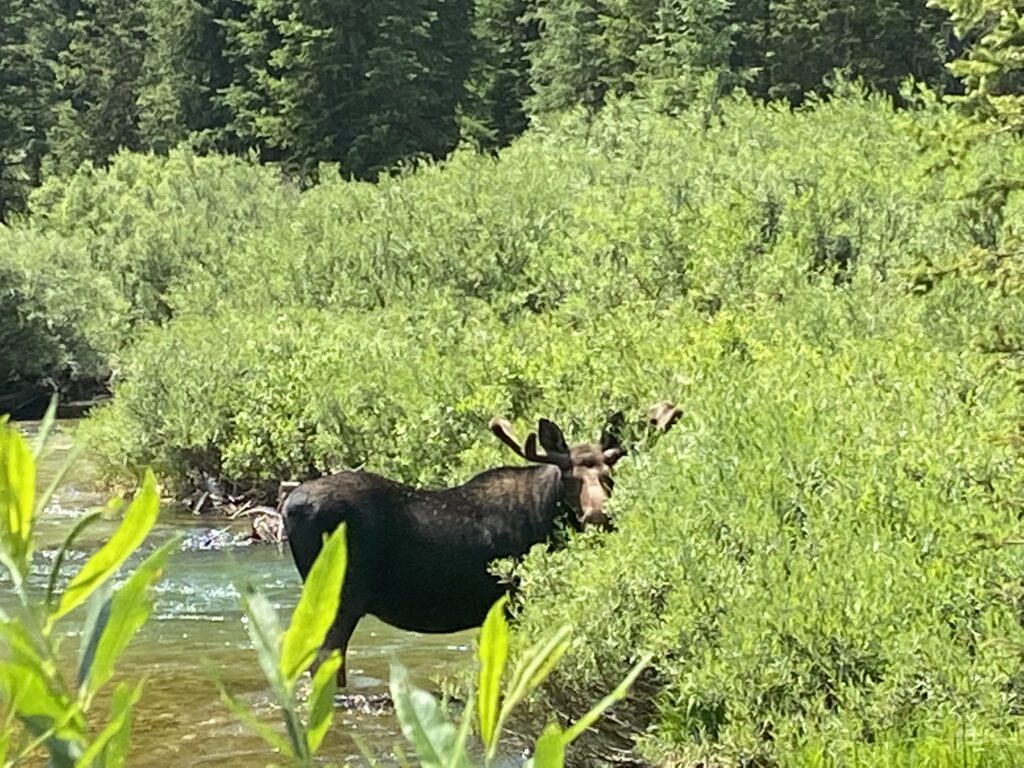
You don’t have to choose between doing everything yourself and handing over your entire vacation.
DIY vs. Guided National Park Tours: Which Costs More?
Guided tours typically cost more, but they can still be a great value when you factor in everything you are getting plus the reduced stress and expertise of a guide.
If you’re perfectly happy downloading offline maps, getting up early to find parking, driving several hours a day, and researching where to stop for lunch, you may not get much value from paying someone else to handle those things.
If those are exactly the parts of vacation planning you don’t want to think about, a guided trip may be worth considerably more to you.
Who Should Plan a National Park Trip Completely DIY?
I’d lean toward DIY if you:
- Enjoy researching and planning vacations.
- Want maximum flexibility.
- Are comfortable driving long distances and navigating unfamiliar places.
- Have a very specific list of hikes or activities you want to do.
- Want to keep costs down.
If you’re leaning toward DIY, my guide to How Far in Advance You Should Plan a National Park Trip can help you figure out what needs to be booked first.
Who Should Consider a Fully Guided National Park Tour?
I’d seriously consider a guided national park vacation if you:
- Don’t enjoy detailed trip planning.
- Don’t want to drive.
- Are visiting several parks in one trip and don’t want to coordinate all the logistics.
- Want someone else thinking about parking, meals, timing, and transportation.
- Like learning from a guide as you travel.
- Are nervous about navigating remote areas with limited cell service.
- Prefer knowing that most of the trip has already been organized before you arrive.
Who Should Choose the Hybrid Approach?
The hybrid option is ideal if you like independent travel but don’t necessarily want to do everything yourself.
You still get the road-trip experience, where you choose your hotels. Stop for lunch when you’re hungry, sleep late when you want, and change your plans if you feel like it. Then you add guides for the days when they can make the biggest difference.
If long hikes aren’t your thing, there are plenty of alternative activities where you need a guide to drive the Jeep or steer the raft! For example, my guides to Yellowstone Beyond Hiking and Grand Canyon Beyond Hiking include plenty of ways to experience the scenery without logging all the miles.
Do You Need a Guide for National Parks?
For most people, no. But the more useful question is, “How much of your vacation do you want to spend figuring out the logistics yourself?” And it’s not just the planning logistics in advance. It’s also the driving and navigating while you are there.
Some travelers genuinely enjoy opening a map and working out the perfect route through Yellowstone.
Others want someone to say, “I’ll pick you up at 7:00. I’ve got lunch. I know where we’re going. Bring a jacket.”
So, if you think national parks are overwhelming and you’d rather vacation somewhere simpler, please know there are stress-free ways to do it.
Frequently Asked Questions About National Park Guided Tours
Are national park guided tours worth it?
They can be, particularly if you don’t enjoy detailed trip planning, don’t want to drive, or want to learn more about the park than you would exploring on your own. A good guided tour can also save you time by handling transportation, parking, meals, and daily logistics.
If you enjoy planning, want maximum flexibility, and are comfortable navigating the parks independently, you may get more value from a DIY trip or a hybrid trip with only a few guided experiences.
Is it cheaper to plan a national park trip yourself?
Usually, yes. A completely DIY national park vacation is generally the least expensive option because you aren’t paying for guide services and tour logistics.
But compare what is actually included. A multi-day tour may include transportation, some meals, activities, and sometimes accommodations. Those are expenses you’d also have on an independent trip. The hybrid approach can be a good middle ground because you can pay for guides only on the days when they add the most value.
Do you need a tour guide for Yellowstone?
No. You can absolutely explore Yellowstone independently. But Yellowstone is huge, and a wildlife guide can be particularly valuable in places like Lamar Valley. Guides know where wildlife has recently been active, know what to look for, and often provide spotting scopes and other equipment.
If you’re planning Yellowstone yourself, my Yellowstone and Grand Teton Itinerary and Yellowstone Lodging Guide can help with some of the logistics.
Are guided national park tours good for older travelers?
They can be an excellent option, but the activity level matters much more than the traveler’s age. Some national park tours are built around long hikes and early mornings. Others emphasize scenic drives, viewpoints, wildlife watching, and shorter walks. Look carefully at daily mileage, elevation gain, transportation, hotel style, and the amount of downtime before booking.
Are guided national park tours good for families?
Yes, if the itinerary matches your family’s interests and activity levels. A guide can remove a lot of logistical stress for parents, particularly on complicated multi-park trips. But pay attention to minimum ages, hiking distances, group size, and how much time children will spend in a vehicle.
Some tour companies specialize in family tours and for larger families, private options may be cost-effective.
Can I combine guided tours with independent travel?
Absolutely. You can book your own hotels and rental car, explore most of the park independently, and add guided wildlife tours, rafting trips, Jeep tours, slot canyon excursions, or private hiking guides where they add value. You keep the flexibility of independent travel without having to do everything yourself.
What should I look for in a national park tour company?
Look at the activity level, typical hiking mileage, group size, accommodations, transportation, meals, what’s included in the price, and how much free time you’ll have. Also consider the guide-to-guest ratio and whether the trip is private or small group.
Two tours that both advertise a “Yellowstone adventure” or “Utah national parks tour” can offer completely different vacations. This is one reason I help clients compare guided tour options rather than simply recommending one company for everyone.
Should I take a private or small-group national park tour?
Private tours usually give you more flexibility and can be particularly useful for families, multigenerational groups, and travelers with specific interests or activity levels. They’re also generally more expensive.
Small-group tours cost less per person and can work very well if you’re comfortable following a set itinerary and traveling with other people.
How far in advance should I book a national park guided tour?
For fully guided tours, particularly small group ones with limited seats, I’d look 6-9 months out for peak season, although it’s certainly possible to do it more last minute. For day tours, 1-3 months is usually enough, but it varies by popularity of the activity. Check out my guide to How Far in Advance to Plan a National Park Trip to see which pieces I’d tackle first.
National Park Planning Can Be Easy
If you want to travel independently, I can help build a customized itinerary around your interests, activity level, and travel style. If you want a fully guided trip, I can help narrow down tour options based on your budget, preferred accommodations, activity level, group size, and how much structure you want.
And if the hybrid approach sounds best, I can build the overall trip and help identify the guided experiences that are actually worth adding. My goal is never to put everyone on a tour. It’s to figure out what’s best for your travel style and budget.
Let’s chat about the best trip for you.
Trying to figure out the best option for you? Let’s chat about your travel style and the best options. Set up a free consultation.
This post contains affiliate links. If you click a link, I may earn a small commission—at no extra cost to you.