If you’re looking for a family vacation that combines fresh air, unforgettable sights, fun activities, and plenty of memories, a national park vacation is the answer. From easy hikes to wildlife sightings, these parks offer endless opportunities for families with kids of all ages to unplug, explore, and connect. And enjoy some of the most stunning scenery in the world.
Whether your kids love spotting animals, splashing in rivers, taking boat rides, horseback riding, roasting marshmallows under the stars, or something more adventurous like white water rafting or ATVs, there’s a park (and a pace) that’s just right for you.
Not enough time to research a family trip?
Set up a free call with a national park expert for recommendations that are actually personalized for you!
The benefits of being outdoors with kids
Every parent knows that kids have energy to burn. A national park gives them plenty of space to run, climb, and explore, all while soaking up the beauty of their surroundings. Studies show that time in nature boosts mood, reduces stress, and encourages creativity in kids and adults alike. You’ll trade “Are we there yet?” for “Look at those animals!”
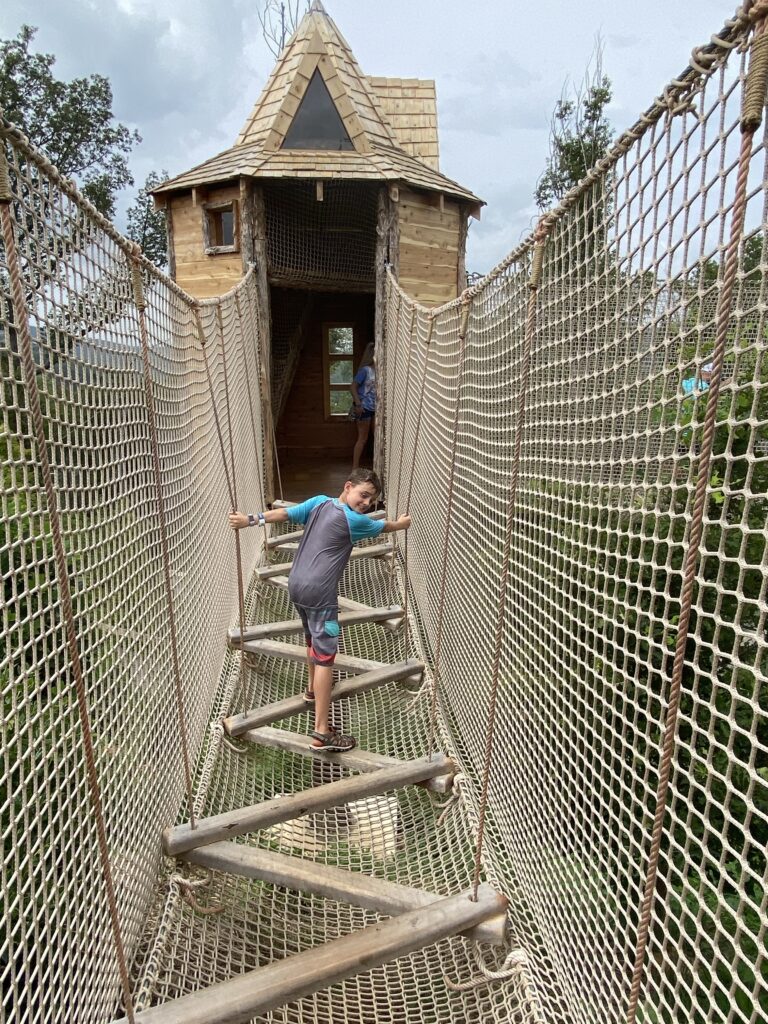
I absolutely loved when my son looked at the mountain range in Big Sky and said, “You didn’t tell me it would be this beautiful. If I lived here, I wouldn’t even need screens.” (I can’t honestly say that no-screen mentality lasted the entire trip, but he did willingly put them away quite a bit).
Being outdoors also helps kids build confidence. When they conquer a short trail or spot an animal first, there is a sense of accomplishment that no screen can match. (A little sugar boost in the form of a lollipop at the halfway point of a hike also helps.) Your kids can spot elk in Yellowstone, walk among towering sequoia trees in Yosemite, or dip their toes into the icy streams of Glacier National Park. Doesn’t that sound a little more relaxing than rushing to the next ride at Disney and a little more adventurous than going to the beach?
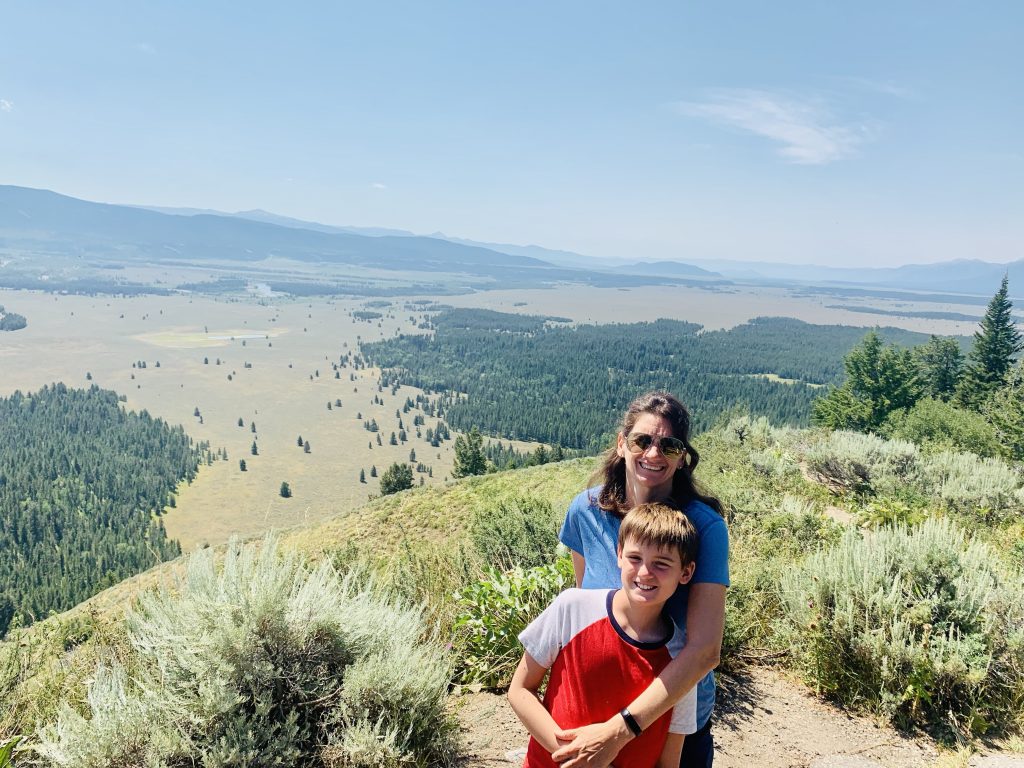
There are so many family-friendly activities at national parks
If your kids aren’t up for super long hikes, don’t dismiss a national park. There are so many different types of activities available at different parks. Not every adventure has to involve hiking boots or climbing gear. It’s just a matter of finding the right part with the right activities for your family.
Here are a few favorite family-friendly activities:
- Wildlife safaris – Guided tours in Yellowstone, Denali, and Custer State Park help families spot bison, bears, elk, and even wolves.
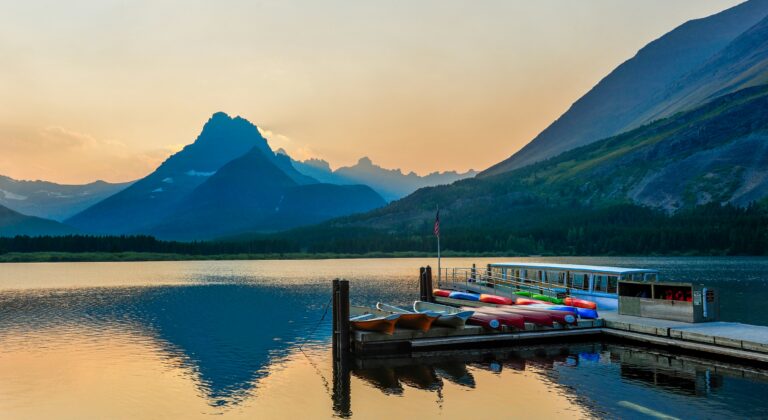
- Scenic drives – Take in jaw-dropping views from Going-to-the-Sun Road in Glacier or Trail Ridge Road in Rocky Mountain National Park.
- Easy bike rides – National parks like Zion and Acadia offer paved routes and car-free sections ideal for kids.
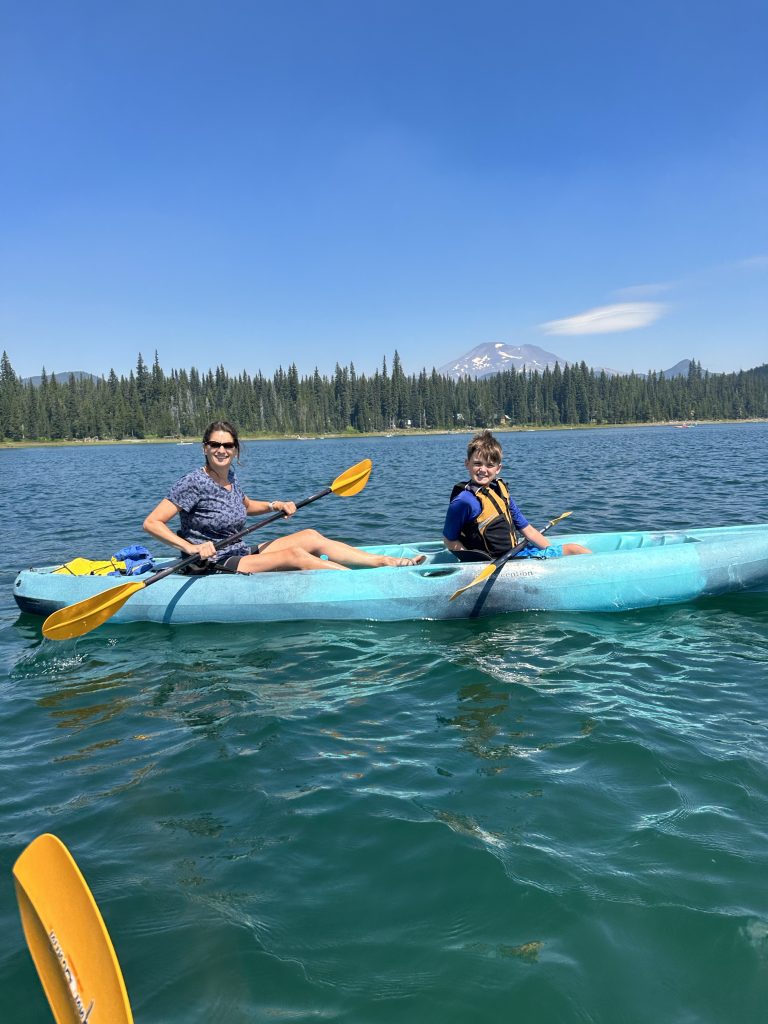
- Water adventures – Kayaking, canoeing, stand-up paddleboarding, boat tours, white-water rafting, tubing, and more are available at a variety of parks.
- Jeep/ATV tours – From mild to wild, you can enjoy the terrain of the red rock canyons, desert landscapes, and mountains in jeeps, trucks, or ATV tours.
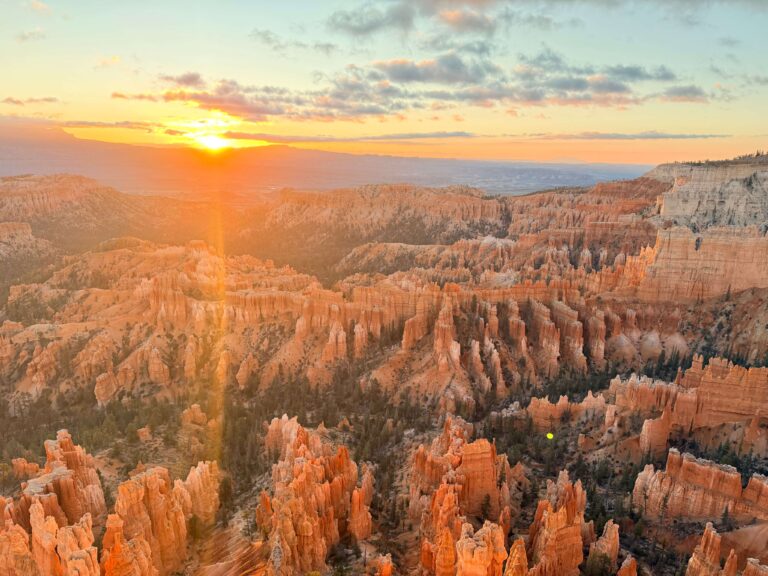
- Stargazing Nights – Visit designated dark sky parks like Bryce Canyon or Joshua Tree for unforgettable night skies.
Take advantage of the free 4th-grade pass
Here’s one of the best-kept secrets in travel: every 4th grader in the U.S. is eligible for a free “Every Kid Outdoors” pass from the National Park Service. This pass gives your family free access to more than 400 national parks, monuments, and historic sites for a full year.
It’s not just about the savings on park entrance fees. The National Park Service chose 4th grade for a reason. Research shows nine-to-eleven-year-old kids are open to new ideas and engaging with nature. The program aims to foster a lifelong appreciation of nature, and this is the right age to do it. It also aligns with the school curriculum in many states that focus on state history.
It’s a great excuse for a national park spring break or summer trip. Pair Yellowstone with Grand Teton, Zion with Bryce Canyon, or Yosemite with Sequoia. Even smaller parks like Mesa Verde or Capitol Reef are great additions when you don’t have to pay multiple entrance fees.
Just visit everykidoutdoors.gov before your trip to print your pass and start planning.
A few of the best national parks for families
While all parks can be a great family trip, a few stand out as especially family-friendly for their easy trails, wildlife, and range of activities. Here are a few of my favorite picks:
Great Smoky Mountains National Park – If you are looking for an East Coast option, Great Smoky has plenty of waterfalls and easy scenic drives like Cades Cove Loop. Nearby Gatlinburg and Pigeon Forge feel like a mini-Orlando with everything from waterparks, go-karts, mini-golf, indoor snow tubing, and so much more for kids and families.
Rocky Mountain National Park – Gorgeous alpine scenery with a range of hikes, scenic drives, and easy wildlife spotting. It is very accessible from Denver, and Estes Park is a great town with a variety of kid-friendly activities. It also has an amazing YMCA family resort that has cabins, a hotel, a day camp, and tons of family-friendly activities.
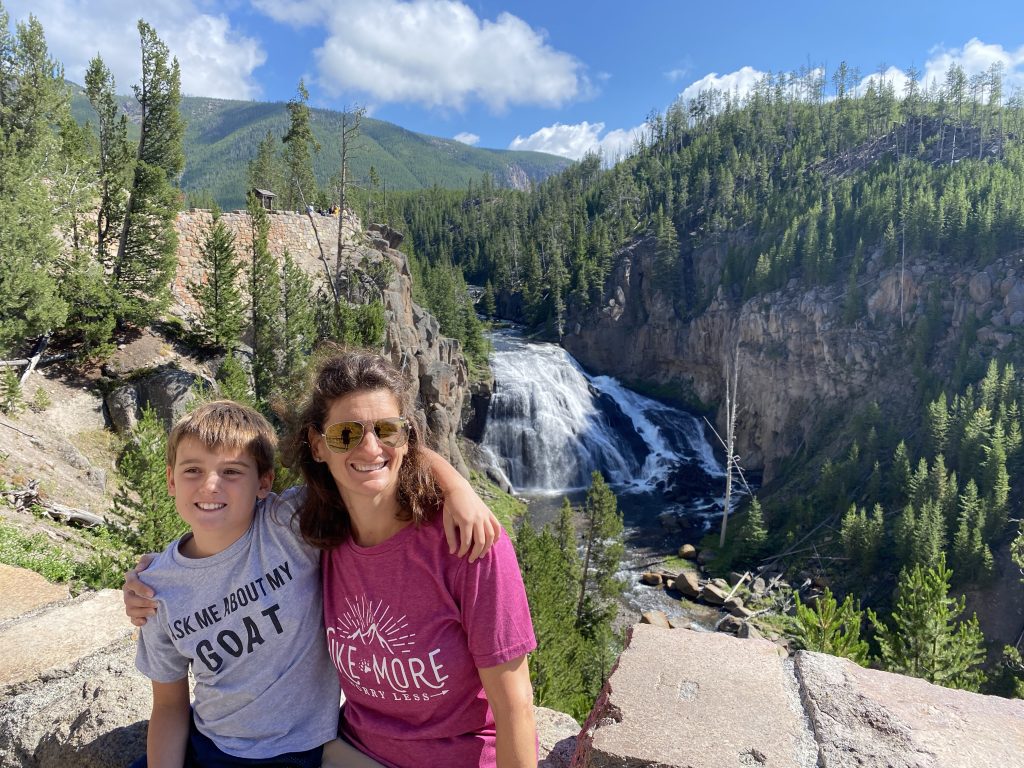
Yellowstone National Park – Kids are mesmerized by Old Faithful erupting every 90 minutes and love the boardwalks around bubbling hot springs like Grand Prismatic. There are great hotels in the park that offer a range of accommodations and easy access to major sights.
Yosemite National Park – With stroller-friendly paths to Lower Yosemite Falls and the giant sequoias at Mariposa Grove, Yosemite is a family favorite. There are plenty of kid-friendly activities, like swimming and tubing in the river through the Yosemite Valley.
Grand Canyon National Park – The Rim Trail offers spectacular views without strenuous hiking, and the Junior Ranger booklets help kids grasp the canyon’s enormity. It’s easy to combine other parks like Zion or really unique experiences like Antelope Canyon. Kids will love an easy walk through a slot canyon.
“You didn’t tell me it would be this beautiful. If I lived here, I wouldn’t even need screens.”
The Junior Ranger program makes learning fun
Available in nearly every park, the Junior Ranger Program makes learning about the outdoors fun. It’s a mix of scavenger hunts, nature activities, and ranger talks tailored for kids. After completing their booklet, they earn a badge or patch, and they even get sworn in as “Junior Rangers”.
Some parks have unique versions of the program, too. At Everglades National Park, kids learn how to spot alligators safely. In Olympic National Park, they explore tidepools and rainforests. And in Grand Canyon National Park, they complete challenges to understand the canyon’s scale and geology.
Common Mistakes to Avoid
1. Assuming National Parks Are Only for Hardcore Hikers
Many families skip national parks thinking they need to be mountain climbers or marathon runners to enjoy them. In reality, most parks offer scenic drives, easy paved trails, boat tours, ranger talks, and activities that require zero hiking. Yellowstone’s geysers are right off the boardwalk, Grand Canyon has a paved rim trail, and Yosemite Valley has stroller-friendly paths. You can experience stunning scenery without breaking a sweat.
2. Comparing National Park Costs Only to Beach Vacations Instead of Disney
A week at a national park costs dramatically less than Disney World. Park entrance is $35 per vehicle for a week (or free with the 4th grade pass), compared to $100+ per person per day for Disney tickets. Families often compare parks to “cheap” beach vacations and miss that parks offer way more value than theme parks while costing a fraction of the price.
3. Not Taking Advantage of the Free 4th Grade Pass
If you have a 4th grader, you’re eligible for a free Every Kid Outdoors pass that gives your entire family free entrance to all national parks for a full year. Many families don’t know this exists or forget to get it before their trip. Visit everykidoutdoors.gov before you travel.
4. Thinking Kids Won’t Enjoy Nature Because They Love Screens
Parents assume screen-loving kids will be bored outdoors, but the opposite usually happens. When you remove WiFi and give kids space to explore creeks, spot wildlife, and climb rocks, many naturally engage in ways they don’t at home. The trick is choosing age-appropriate activities and not forcing marathon hikes that make everyone miserable.
5. Choosing Beach Resorts Because Planning a Park Trip Feels Overwhelming
National park trip planning does require more research than booking an all-inclusive resort, which causes families to default to easier beach vacations even when they’d prefer something more active. The planning is worth it for the experiences you’ll have, and using a travel planner eliminates the overwhelm while still getting all the benefits of a park vacation.
6. Visiting Only One Park When You Could Easily See Two or Three
Many iconic parks are close to each other. Yellowstone and Grand Teton are actually connected; Zion and Bryce Canyon are 90 minutes apart. Yosemite and Sequoia can be combined. Families often visit just one park when they could experience multiple landscapes and ecosystems in the same trip with minimal extra driving, especially with the 4th-grade pass making multiple park entries free.
FAQ: Your Questions Answered
Why should families choose national parks over Disney or beach vacations?
National parks cost dramatically less than Disney while offering more educational value and real adventure. Unlike passive beach vacations, parks encourage active exploration, wildlife viewing, and outdoor skills that build confidence. In tween speak, sometimes kids just need to “touch grass.” Outdoor vacations are a great way to unplug. I personally consider it a huge plus when cell service is spotty!
Are national parks actually educational, or is that just marketing?
They’re genuinely educational without feeling like school. Kids learn geology by seeing actual rock formations and biology by spotting real wildlife in natural habitats. What kid doesn’t want to see a bear or moose in the wild? Junior Ranger programs teach ecology, conservation, and science through scavenger hunts and hands-on activities. It’s learning that feels like adventure, not a classroom.
How much does a national park family vacation actually cost?
It varies dramatically. It depends on the park, the season, and whether you need to fly or drive. You can stay in upscale hotels, basic motels, or even camp. There are fine dining options and casual ones. You can sign up for a lot of tours and excursions or explore on your own. So it’s entirely up to you, but you can definitely keep the price well under Disney or a beach resort package if you want to. There are national parks on both coasts and in the middle of America, so you can find a great one within driving distance to save on airfare and rental cars.
Will screen-addicted kids actually enjoy national parks?
Most do, once they adjust to limited WiFi. The first day might involve complaints, but after spotting wildlife, playing in streams, or earning a Junior Ranger badge, many kids voluntarily put screens down. The key is choosing engaging activities, like wildlife safaris, easy scrambles, or water activities, rather than forcing long, boring hikes. Movement and discovery beat passive screen time.
What’s the free 4th-grade pass, and how does it work?
Every 4th grader in the U.S. can get a free Every Kid Outdoors pass at everykidoutdoors.gov that admits their entire family to all national parks, monuments, and federal lands for a full year. The 4th grader prints a paper pass or downloads a digital version, shows it at park entrances, and everyone in the vehicle gets in free. It’s valid from September through August of their 4th-grade year.
Are national parks too dangerous for young kids?
They’re safe when families follow basic precautions. Stay on marked trails, keep kids away from cliff edges, maintain distance from wildlife (25 yards minimum, 100 yards for bears), bring plenty of water, and choose age-appropriate activities. Parks have clear signage, ranger programs designed for families, and medical facilities. More kids get hurt at playgrounds than at national parks when parents supervise appropriately.
Can non-outdoorsy families still enjoy national parks?
Absolutely. You don’t need camping gear or hiking experience. Many families stay in comfortable lodges or gateway town hotels, take scenic drives to viewpoints, do easy paved trails, join guided tours, and enjoy ranger talks. Parks like Yellowstone and Yosemite are designed for all comfort levels with restaurants, gift shops, and wheelchair-accessible trails.
How do national parks compare to theme parks for family bonding?
Parks encourage conversation and shared experiences better than theme parks. Waiting in lines and rushing between rides leaves little time for connection. National parks offer slow mornings, hikes with natural conversation, campfires, stargazing, and wildlife watching that create space for family interaction. Many parents report their kids talk more and fight less on park trips than Disney trips.
What age is too young for a national park vacation?
No age is too young, but expectations differ. Babies and toddlers do great with short walks, wildlife viewing from cars, and outdoor play, but they won’t remember the trip. Ages 5-12 are ideal for Junior Ranger programs and building lasting memories. Teens appreciate challenging hikes and adventure activities. Each age experiences parks differently, all valid.
Are there enough activities to fill a full week at one park?
Yes, in larger parks like Yellowstone, Yosemite, Grand Canyon, or Glacier. These parks have multiple distinct regions, dozens of trails, ranger programs, boat tours, wildlife viewing areas, and gateway towns to explore. Smaller parks like Zion or Bryce Canyon are perfect for 2-3 days and work great when combined with nearby parks for a week-long trip.
Do you need to camp, or can you stay in hotels?
Hotels and lodges are widely available both inside parks and in gateway towns. There are plenty of comfortable and upscale accommodation options. In-park lodges like Old Faithful Inn or El Tovar offer convenience, while gateway towns provide more dining options and often cost less.
What if my kids complain they’re bored without WiFi or their devices?
The first day might be rough, but boredom often leads to creativity and exploration. Bring cards, books, and offline entertainment for downtime. Engage kids in planning each day’s activities. Give them cameras or journals, assign them “jobs” like wildlife spotter or trail navigator.
Ready to plan your family’s next adventure?
National parks offer the perfect combination of adventure, learning, and togetherness for families. With programs like the free 4th Grade Pass and the Junior Ranger program, there are endless opportunities to explore, unplug, and learn.
If you are like most families, time is a precious commodity. Planning a national park trip can be overwhelming with everything else you are juggling. That’s where I can help. I’ll design the right itinerary to match the interests of everyone in your family. From kid-friendly lodging to the right activities for you, I’ll take care of the details. You deserve to step off the plane stress-free and focus on what really matters—spending time together as a family.
Let’s plan your trip
Set up a free consultation or tell us about your trip to get a quote.