Planning a 3-day Olympic National Park itinerary is a little more complicated than it looks on a map.
Olympic National Park is huge, with mountains, lakes, temperate rainforest, and more than 70 miles of wild Pacific coastline. But there’s no road through the middle of the park. Getting from one area to another often means driving around the Olympic Peninsula, so where you stay and the order in which you visit each area really matter.
The good news is that three days is enough to see Olympic’s three completely different landscapes without spending your entire vacation in the car.
My recommendation is to start in Port Angeles, move to Forks, and don’t try to see everything from one hotel. Or if you don’t mind more rustic lodges, consider staying in the park at Lake Crescent or Sol Duc.
This 3-day Olympic National Park itinerary gives you a good starting point, with mountain scenery at Hurricane Ridge, Lake Crescent and Sol Duc, the Hoh Rain Forest and some of the park’s spectacular Pacific beaches.
But let’s be honest, like all itineraries, this is generic advice. You need to customize this to your pace and what you like to do. Do you want to hike, kayak, and/or visit the hot springs? And when you are going matters too. The weather in Olympic is as varied as the landscape. Hurricane Ridge can be snowed in the spring.
That’s where a customized itinerary can make a big difference in a park this spread out.
Is 3 Days Enough for Olympic National Park?
Yes. Three full days are enough to hit the highlights. You’ll have enough time to experience the mountains, rainforest, and coast, with time for several short hikes along the way.
Could you spend longer? Absolutely. Four or five days gives you more time for longer hikes, kayaking, or exploring farther-flung areas of the peninsula. But if Olympic is part of a larger Pacific Northwest trip, three days gives you a very good overview of the park.
3-Day Olympic National Park Itinerary at a Glance
Arrive and sleep in Port Angeles before your first full day.
- Day 1: Hurricane Ridge and Lake Crescent. Stay in Port Angeles.
- Day 2: Sol Duc Valley and beaches. Stay in Forks.
- Day 3: Hoh Rain Forest and more Pacific Coast beaches. Stay in Forks or continue to the next destination.
My recommendation: If the forecast looks particularly good for one day, use it for Hurricane Ridge. You have a lot more flexibility with clouds or light rain at Lake Crescent and in the rainforest.
Olympic National Park Is Bigger Than You Think
This is one of those national parks where I don’t recommend choosing one hotel and commuting to everything. Port Angeles is the best base for Hurricane Ridge and the northern side of the park. Forks puts you much closer to the Hoh Rain Forest and Pacific beaches.
Splitting your stay saves driving and lets the itinerary naturally move west around the peninsula. But even that isn’t quite as simple as it sounds.
Your best route can change depending on where you’re starting and ending your trip, the weather at Hurricane Ridge, tides along the coast, seasonal road conditions, how much hiking you want to do, and what time you can realistically reach the park’s busiest areas.
That’s why this itinerary is designed as a starting point. When I plan Olympic National Park trips for clients, I customize the route, hotels, and daily activities around the specific trip rather than simply handing everyone the same three-day schedule.
For a complete breakdown of the different areas and hotels, read my Where to Stay in Olympic National Park guide. And if you’d rather have someone figure out how all those pieces fit together, contact me to learn more about my custom national park planning.
You should also download maps and directions before heading into the park. Cell service can be spotty once you leave Port Angeles and Forks.
Day 1: Hurricane Ridge and Lake Crescent
The main Visitor Center for Olympic National Park is in Port Angeles. It’s a great place to stop and understand the weather conditions in the mountains at Hurricane Ridge, especially if you are there in the more unpredictable months.
Hurricane Ridge
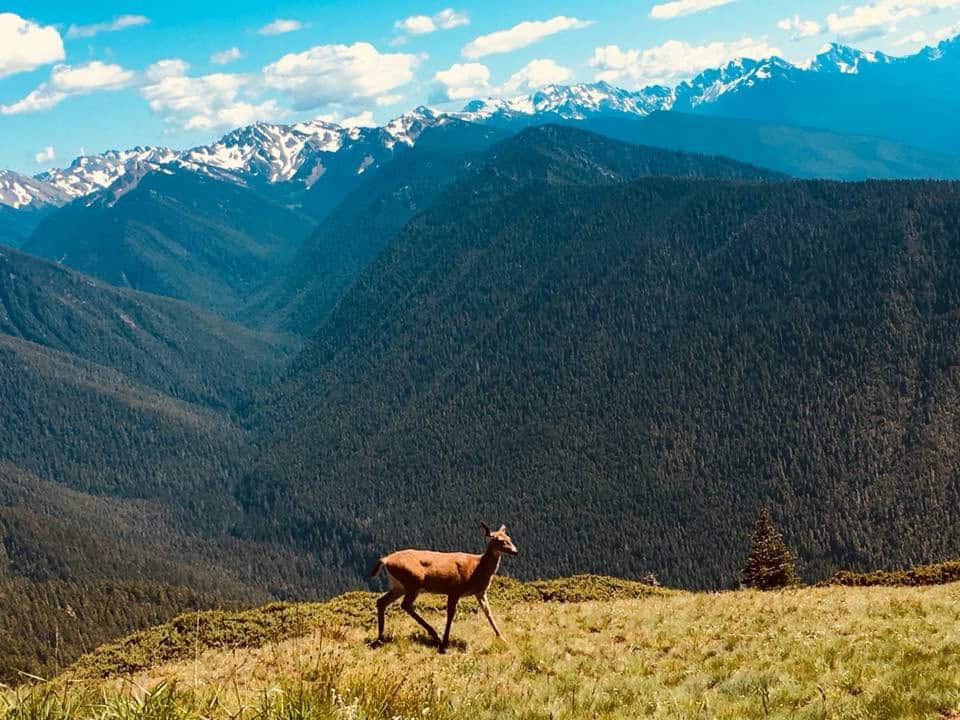
From Port Angeles, it’s about a 45-minute drive to Hurricane Ridge, one of the easiest places in Olympic National Park to get high into the mountains without a major hike. The drive does most of the climbing for you.
On a clear day, you’ll have sweeping views across the Olympic Mountains, with several short trails starting near the top. Hurricane Ridge is all about the weather. If the mountains are completely socked in and tomorrow looks significantly better, switch things around. There’s no reason to drive up for a wall of clouds just because your itinerary says it’s Day 1.
For an easy walk, explore the paved paths and short trails around the Hurricane Ridge area. For a longer hike, Hurricane Hill gives you bigger views with more effort. And the Storm King Trail is great for hikers who don’t mind an uphill climb.
Lake Crescent
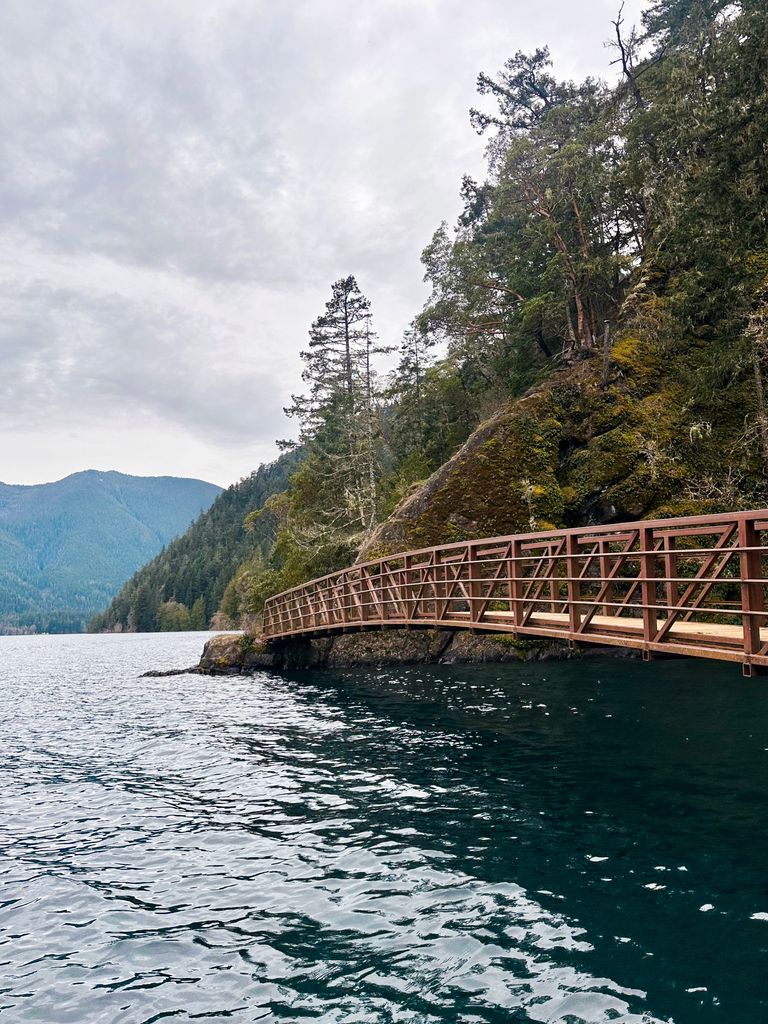
From Hurricane Ridge, head west toward Lake Crescent. This deep glacial lake surrounded by forested mountains is one of my favorite areas of Olympic National Park, and you don’t have to do much more than get out of the car to appreciate it.
Stop at Lake Crescent Lodge, walk along the lake, and have lunch or a drink if the timing works. If you want a short hike, add Marymere Falls, an easy forest walk to a 90-foot waterfall. Check out my blog on What to do in Olympic beyond hiking for more ideas.
Want a Bigger Hike?
Mount Storm King is one of Olympic’s most popular hikes, with spectacular views over Lake Crescent. The 4.4-mile round-trip trail is steep, climbing more than 2,000 feet in just 2 miles. The route beyond the maintained trail includes exposed terrain and unofficial ropes that are not installed or maintained by the National Park Service, so it’s not for those afraid of heights.
Stay in Port Angeles
Port Angeles has the best selection of hotels and restaurants. and services here, and it keeps you well positioned for the next day’s drive west.
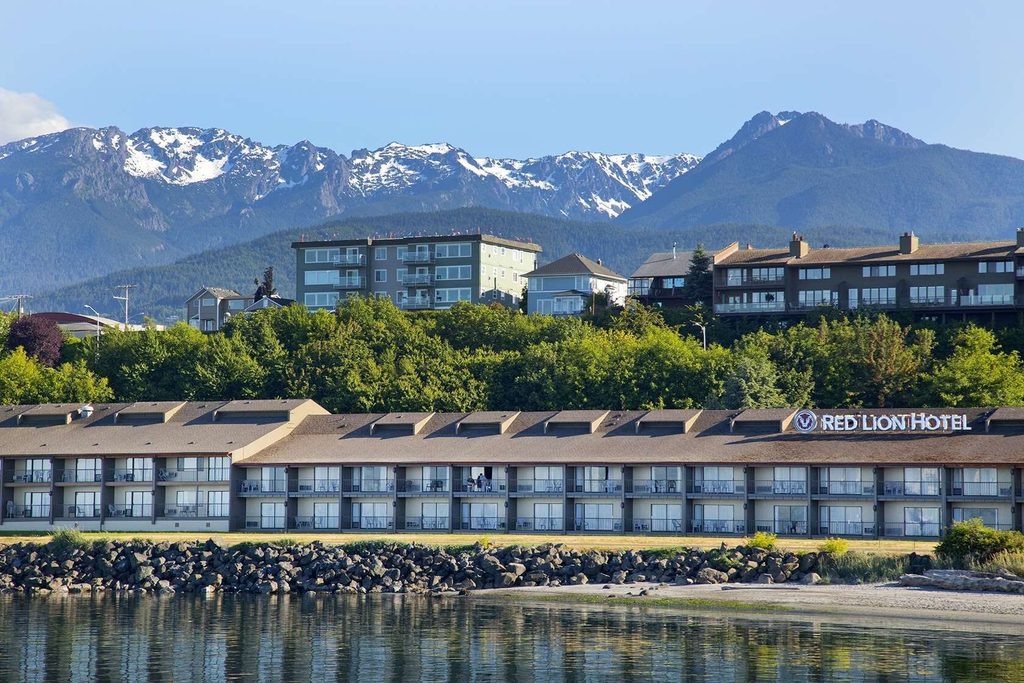
My Pick for Convenience – Red Lion Hotel Port Angeles Harbor ⭐
The Red Lion Port Angeles is a beachfront hotel that’s walkable to downtown restaurants and shops. It’s a great option with beautiful mountain views, full-service amenities, and a great location close to the Olympic National Park Visitor Center.
My Pick for a More Upscale Stay: Olympic Lodge by Ayres
My Pick for a More Upscale Stay – Olympic Lodge ⭐
There are plenty of motels in the area, but Olympic Lodge stands out as the nicest property in Port Angeles, with elegant, upscale decor, immaculate landscaping, and a grand stone fireplace lobby
Day 2: Sol Duc Valley and Rialto Beach
Day 2 is about driving west across the park, with plenty of great stops along the way. If Day 1 was all about hiking, spend a bit more time enjoying the views at Lake Crescent yesterday and then continue west on Highway 101 into the Sol Duc Valley.
Sol Duc Valley
The highlight here is Sol Duc Falls, one of the prettiest waterfalls in Olympic National Park. The hike from the trailhead to the falls is about 0.8 mile each way and relatively level, passing through old-growth forest before reaching the waterfall.
If you’re looking for something more ambitious, extend your hike on to Lover’s Lane Loop or Deer Lake Trail to go deeper into the rainforest with more giant trees, waterfalls, and lakes.
Sol Duc Hot Springs
Another option is to spend some time at Sol Duc Hot Springs Resort. The resort’s mineral pools are a great relaxing break, particularly if the weather isn’t cooperating. If you are going during peak season, buy your tickets in advance.
First Beach and Rialto Beach
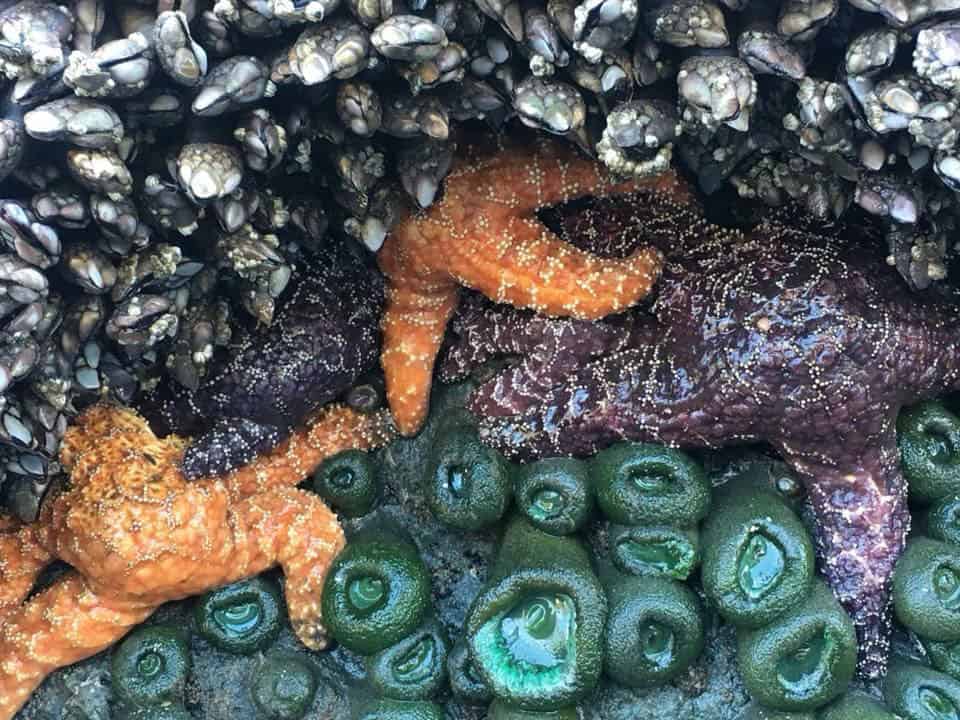
First Beach is the closest one to Forks (you’ll drive past Forks on the way here from Sol Duc). Rialto Beach is another great one, especially if you want a longer beach walk. The hike toward Hole-in-the-Wall follows the beach, but pay attention to the tides. Low tide is always better for beach walks and tidal pool watching. You can also do the beaches on Day 3 if the tides don’t align with your schedule.
Drive to Forks
If you are a fan of the Twilight series, it was set in Forks. And while none of the movies were actually filmed there, you’ll find plenty of Twilight photo ops in town. It’s not a huge town, but you’ll find some motels and a range of home rentals from basic to upscale.
If you get to
Staying here puts you much closer to the Hoh Rain Forest and Olympic’s Pacific coastline and saves a ton of driving time, which is why I recommend splitting your stay.
Read my Where to Stay in Olympic National Park guide for my Forks recommendations and lodging map.
Day 3: Hoh Rain Forest and more Pacific Coast beaches
Olympic is known for its diversity, and you’ll see that today. Just make sure to check the tide schedule and rearrange as needed to hit the beaches at low tide.
Hoh Rain Forest
If it’s peak summertime, start early as parking can be an issue at the Hoh Rain Forest. But even if you have to park a bit further away, the walks to experience the rainforest are pretty short.
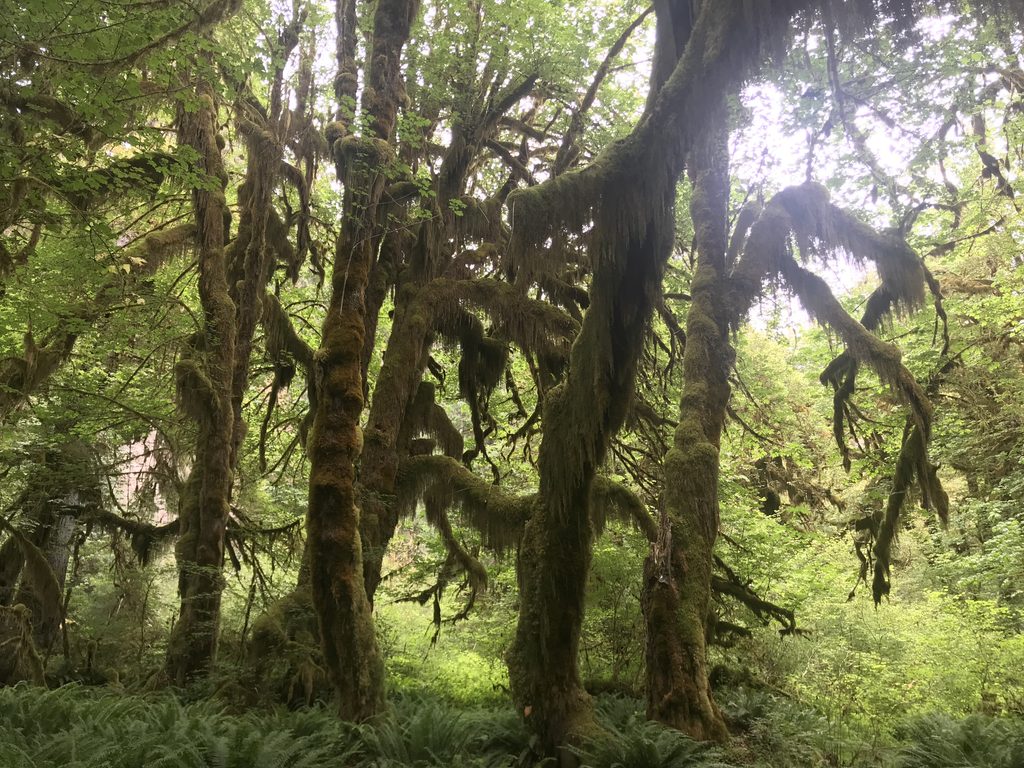
The Hall of Mosses Trail is just 0.8 miles and winds through old-growth forest covered in mosses and ferns. You can also add the Spruce Nature Trail, a 1.2-mile loop that takes you through the forest and along the Hoh River.
Want More Hiking?
The Hoh River Trail continues deep into the park, but you don’t have to hike anywhere near its full length. It’s an out-and-back trail, so you can continue for as long as you want and turn around whenever you want.
Finish at the Pacific Coast
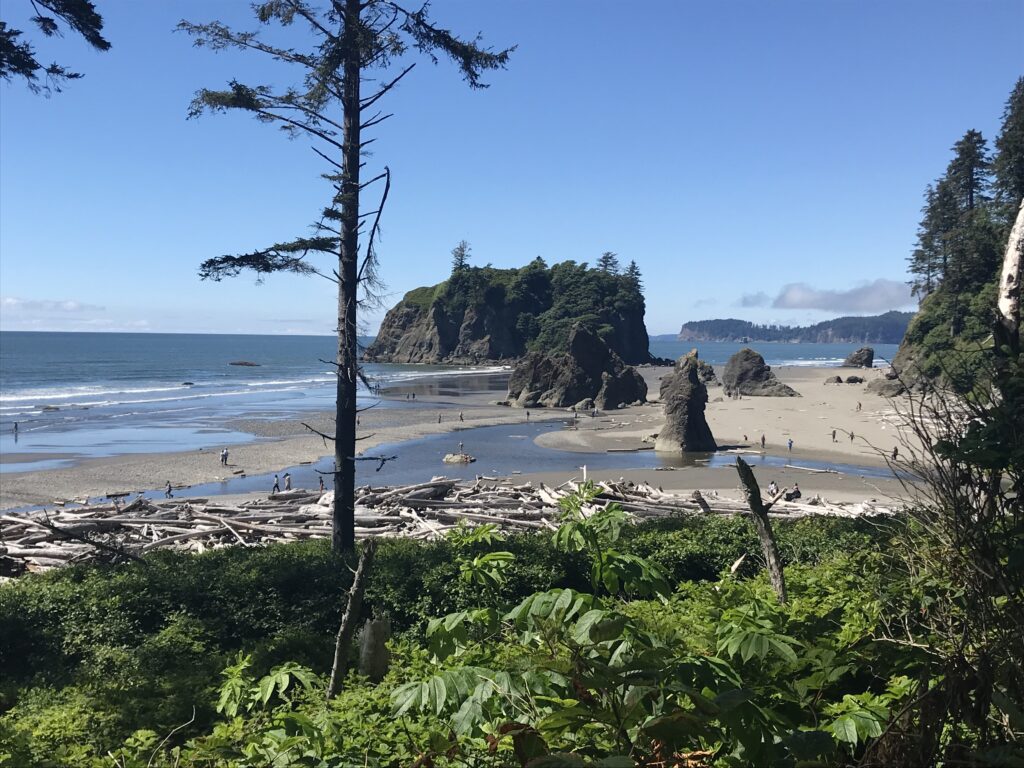
From the Hoh, head toward the coast. Olympic’s beaches don’t look like the beaches most people picture when they hear the word. Expect driftwood, sea stacks, tide pools and wild Pacific scenery.
Ruby Beach
Ruby Beach is one of the easiest choices to combine with the Hoh Rain Forest because it’s right off Highway 101. A short trail leads down to a broad beach with dramatic sea stacks and piles of driftwood. This can be a quick stop, or you can spend a couple of hours taking a walk or relaxing at the beach.
Have a Fourth Day?
A fourth day gives you room to slow down or add something that doesn’t fit neatly into the three-day route. You could spend more time hiking around Hurricane Ridge or Lake Crescent, kayak on Lake Crescent, visit Sol Duc Hot Springs, explore more of the Pacific coast or continue south toward Lake Quinault.
If hiking is a priority, I’d use the extra day for one of the park’s longer trails rather than trying to squeeze it into an already full three-day itinerary.
When Is the Best Time to Visit Olympic National Park?
June through September are Olympic’s busiest months, but they’re also when you’ll generally have the greatest access to roads, trails, and park facilities.
Spring can be beautiful, particularly in the rainforest and around the waterfalls, but snow may limit what you can do at higher elevations, particularly around Hurricane Ridge
Fall also brings fewer crowds, but the weather is also less predictable. In the winter, the rainforest and coast remain accessible in many areas, but Hurricane Ridge could be inaccessible.
Do You Need Reservations for Olympic National Park?
Olympic National Park does not currently use the kind of park-wide timed-entry reservation system you’ll find at some other national parks. That said, if you want to stay in the park, lodging can fill up quickly, and popular areas such as Hurricane Ridge and the Hoh Rain Forest can have long entrance waits.
Can You See Olympic National Park Without Hiking?
Absolutely. In fact, Olympic is one of my favorite national parks for people who want spectacular scenery without spending every day on long trails.
You can drive to Hurricane Ridge, enjoy Lake Crescent from the lodge and shoreline, walk less than a mile through the Hoh Rain Forest, and reach beautiful Pacific beaches with very little hiking.
I’ve put together even more ideas in Olympic National Park Beyond Hiking.
My Final Recommendations for Olympic National Park
If this is your first trip to Olympic, don’t try to see every corner of the park. Focus on the three landscapes that make Olympic so special: the mountains, the rainforest, and the Pacific coast.
Stay in Port Angeles for the north side of the park and then move to Forks. Spend the clearest, sunniest day around Hurricane Ridge. Get to the Hoh Rain Forest early. And leave enough time to enjoy the beach rather than simply checking it off your list.
Frequently Asked Questions About a 3-Day Olympic National Park Itinerary
How many days do you need in Olympic National Park?
Three days in Olympic National Park gives you time to see Hurricane Ridge, Lake Crescent, Sol Duc, the Hoh Rain Forest, and the Pacific coast without trying to cram the park into one or two very long days.
Four or five days is even better if you want to add longer hikes, kayaking, hot springs, Lake Quinault, or more of the coast.
What is the best 3-day Olympic National Park itinerary?
For most first-time visitors, I recommend spending Day 1 at Hurricane Ridge and Lake Crescent, Day 2 around Sol Duc and one or two beaches if it’s low tide, and Day 3 at the Hoh Rain Forest and Pacific coast.
But Olympic is too large and weather-dependent for one itinerary to work perfectly for everyone. Your starting and ending points, hotel availability, activity level, tides, and weather can all change the best route.
Where should I stay for 3 days in Olympic National Park?
I recommend splitting your stay rather than using one hotel for the entire trip. Stay in Port Angeles for Hurricane Ridge, Lake Crescent, and the northern side of Olympic, then move to Forks for the Hoh Rain Forest and Pacific beaches. This reduces backtracking and puts you closer to the places you’re visiting each day.
Read my complete guide to where to stay in Olympic National Park for specific hotel recommendations.
Can you visit Olympic National Park in 3 days from Seattle?
Yes, but I recommend arriving in Port Angeles the evening before your first full sightseeing day if possible.
Driving from Seattle and trying to begin a full Olympic itinerary on the same morning eats into valuable park time. Starting Day 1 in Port Angeles lets you head directly to Hurricane Ridge and makes much better use of your three days.
Is 3 or 4 days better for Olympic National Park?
Three days is enough to see the major highlights, but four days gives you more flexibility. I’d choose four days if you want to do longer hikes, kayak on Lake Crescent, spend time at Sol Duc Hot Springs, explore additional beaches, or add Lake Quinault. A fourth day also gives you a backup if clouds obscure Hurricane Ridge on your originally planned mountain day.
What should you not miss in Olympic National Park?
For a first trip, I would prioritize Hurricane Ridge, Lake Crescent, the Hoh Rain Forest, and at least one Pacific beach. Those stops give you the best introduction to the three very different environments of Olympic National Park, including the mountains, the rainforest, and the wild coastline.
Can you see Olympic National Park without hiking?
Yes. Olympic is an excellent national park for non-hikers and travelers who prefer shorter walks. You can drive to Hurricane Ridge, enjoy Lake Crescent from the shoreline, walk the 0.8-mile Hall of Mosses Trail, and visit Pacific beaches without doing a strenuous hike.
Longer hikes are easy to add if you want them, which also makes Olympic a good destination for couples and families with different activity levels.
What is the best time of year for a 3-day Olympic National Park itinerary?
For a first visit, summer through early fall generally provides the easiest access to the greatest number of areas. That said, June through September are also the busiest months. Spring and fall can mean fewer crowds but more variable weather and seasonal limitations, particularly at higher elevations.
Do you need a reservation to enter Olympic National Park?
Olympic National Park does not currently require a park-wide timed-entry reservation. However, summer waits at Hurricane Ridge, and the Hoh Rain Forest can be significant, lodging books well ahead, and coastal plans may need to be built around the tides.
Should I use a travel planner for Olympic National Park?
You certainly can plan Olympic National Park yourself, but it’s one of the national parks where customized planning can be particularly useful. The park is huge, and there is no direct road through the middle, which means drive times can be long. The best itinerary depends on when you are going, your travel style, and what you like to do.
A generic 3-day Olympic National Park itinerary gives you a starting point. When I plan Olympic trips for clients, I build the itinerary around the individual trip so you’re not spending your vacation figuring out driving times, rearranging activities, or realizing that two places that looked close on a map are actually hours apart.
Planning an Olympic National Park Vacation?
Olympic is one of those national parks where a little planning can save you a surprising amount of driving, backtracking, and time spent waiting for parking. If you don’t have the time, patience, or energy to piece it all together, I can help.
Ready to plan your Olympic National Park trip?
I can make planning a trip to a large and overwhelming park easy. Set up a free call.
This post contains affiliate links. If you book through these links, I may earn a small commission at no extra cost to you.