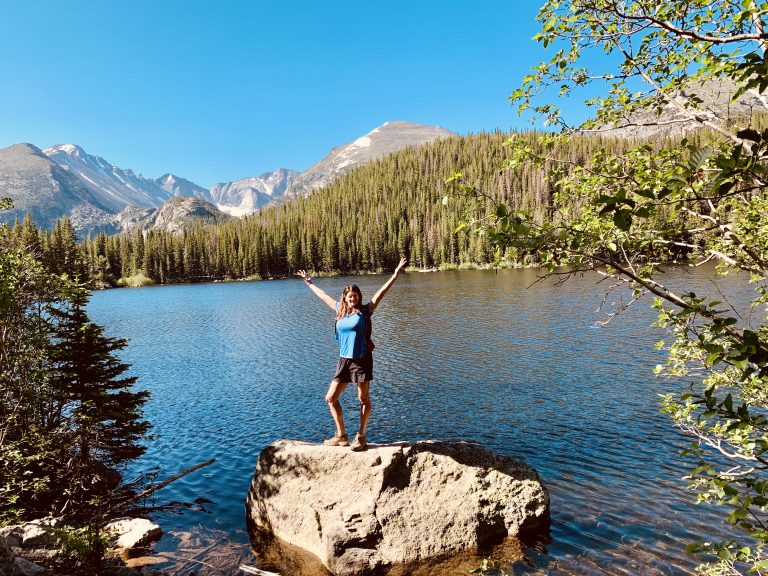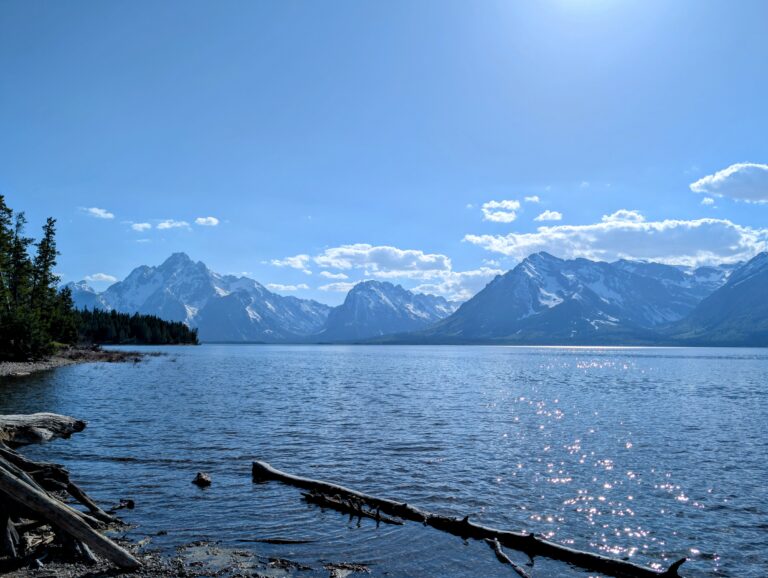
Epic scenery and great wine—yes, please! After a few days of getting your steps in, there’s nothing better than a few days of winery hopping. It’s the perfect combination of nature, outdoor activity, and indulgence.
National parks and wine country vacations, in my opinion, are one of the most underrated travel combinations out there. And while Yosemite and Napa might jump to mind, there are so many other ways to combine national parks and wine country.
Spending too much time reading blogs?
Set up a free call with a national park expert for recommendations that are actually personalized for you!
1. Yosemite National Park + Napa Valley
This may be an obvious one, but it’s also a legendary one. This is truly the best of national parks and the best of wineries. Yosemite delivers some of the most jaw-dropping scenery in the country, including granite cliffs, giant sequoias, waterfalls, and postcard-worthy meadows. Spend a few days hiking to Mirror Lake, walking through the towering trees in Mariposa Grove, or just soaking up the views of Half Dome from the valley floor.
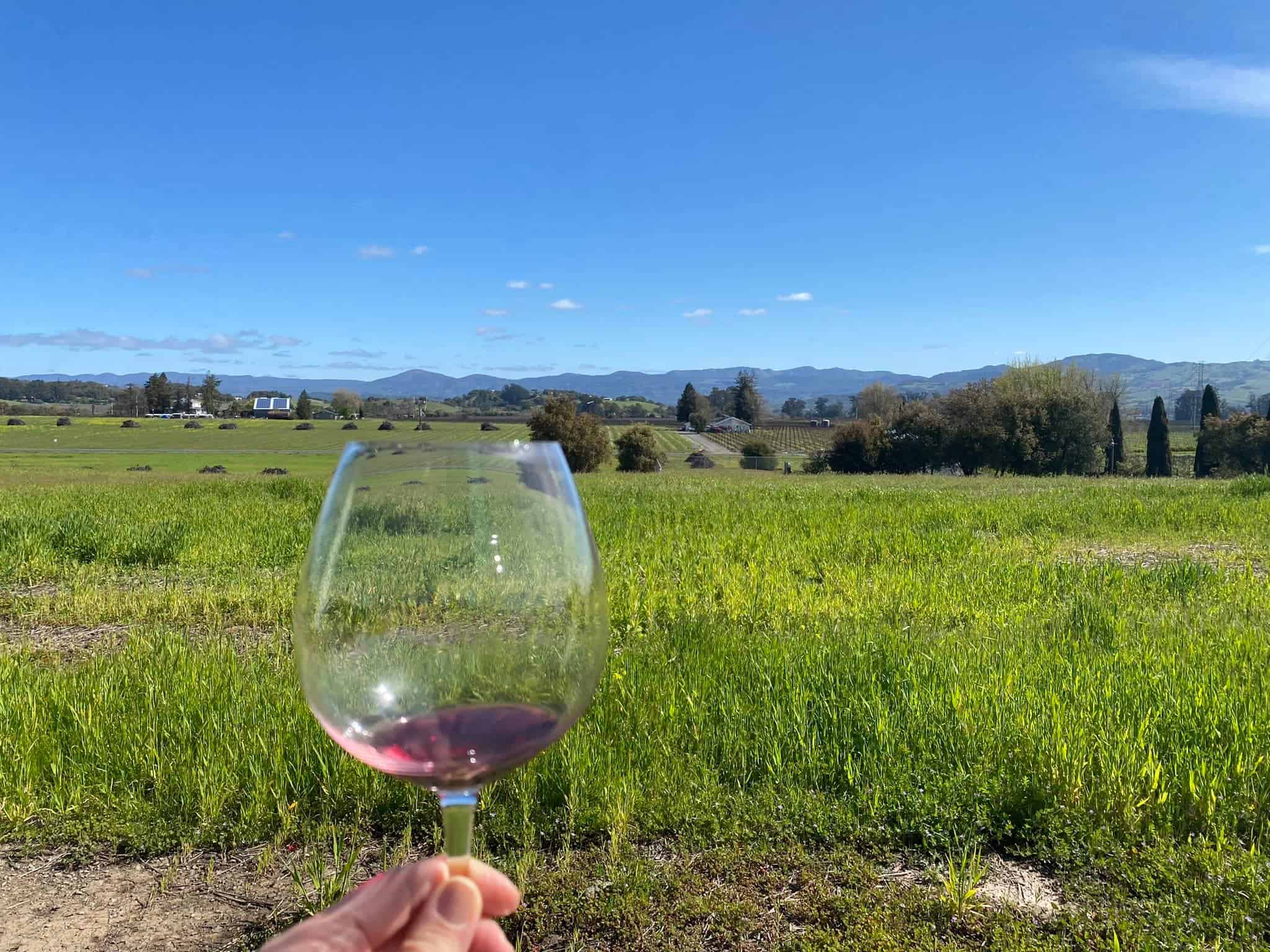
Then, when your legs have earned a rest and you are ready for some relaxation, head west to Napa Valley. You can unwind at a spa, visit a few wineries (there are hundreds to choose from), and feast on gourmet dining that puts your trail lunch to shame.
If you want a slightly more laid-back vibe, check out nearby Sonoma Valley, which has equally good wine, fewer crowds, and a slower pace. Late spring is an ideal time when Yosemite’s waterfalls are roaring, and Napa’s vineyards are just starting to bloom.
2. Joshua Tree National Park + Temecula Wine Country
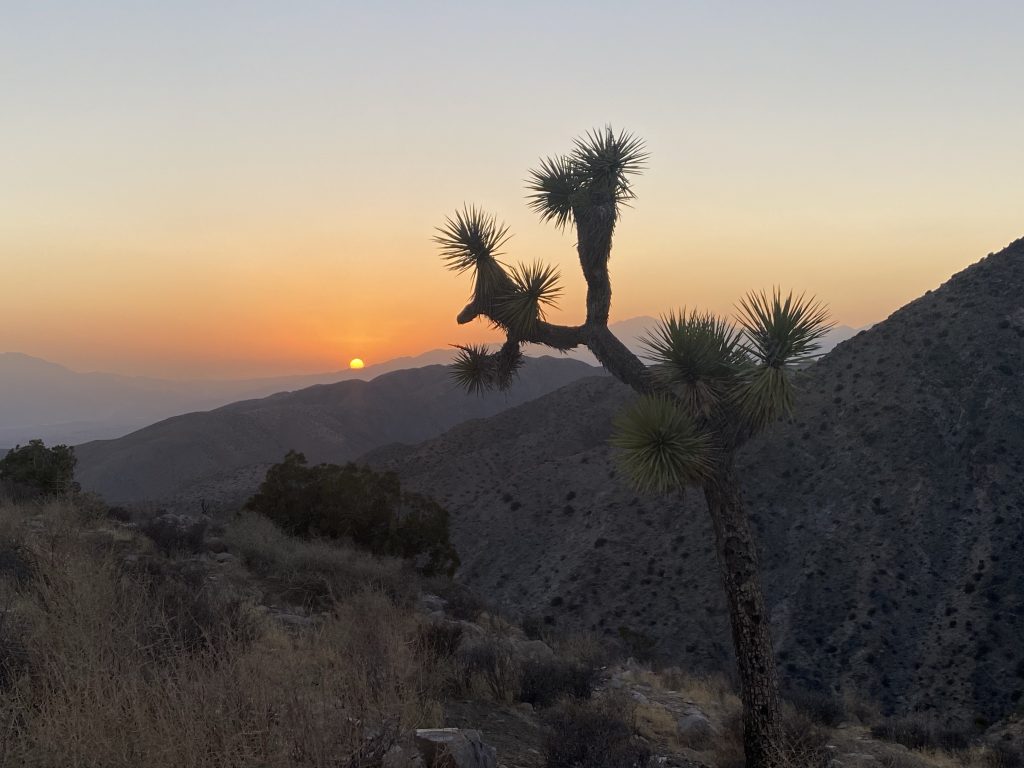
I never heard of Temecula until I started planning a Joshua Tree and Death Valley National Park trip, but it was the surprise hit of that trip. Joshua Tree National Park has a quirky, almost otherworldly feel with its desert landscape, sculpted rocks, and famous twisted Joshua trees. It’s a great park for those who aren’t hardcore hikers because most of the hikes are short and easy, and the stargazing here is unreal. If you want more adventure, add on Death Valley, but not in the summer!
Just 90 minutes away, you’ll find Temecula Wine Country, one of California’s most underrated wine regions. With more than 40 wineries, rolling hills, and a relaxed, welcoming atmosphere, it’s a more laid-back alternative to Napa. The wineries are also really close together, making it much easier to hop from one to the other, relative to Napa. And most accommodate walk-in tastings, while Napa often requires reservations.
If you want something really unique, look for an Airbnb with a transparent bubble tent near Joshua Tree. You can literally fall asleep under the stars with 360-degree desert views, with total peace and quiet. Spring and fall are ideal for this combo to avoid the desert heat but still enjoy outdoor tastings.
3. Crater Lake National Park + Oregon Wine Country
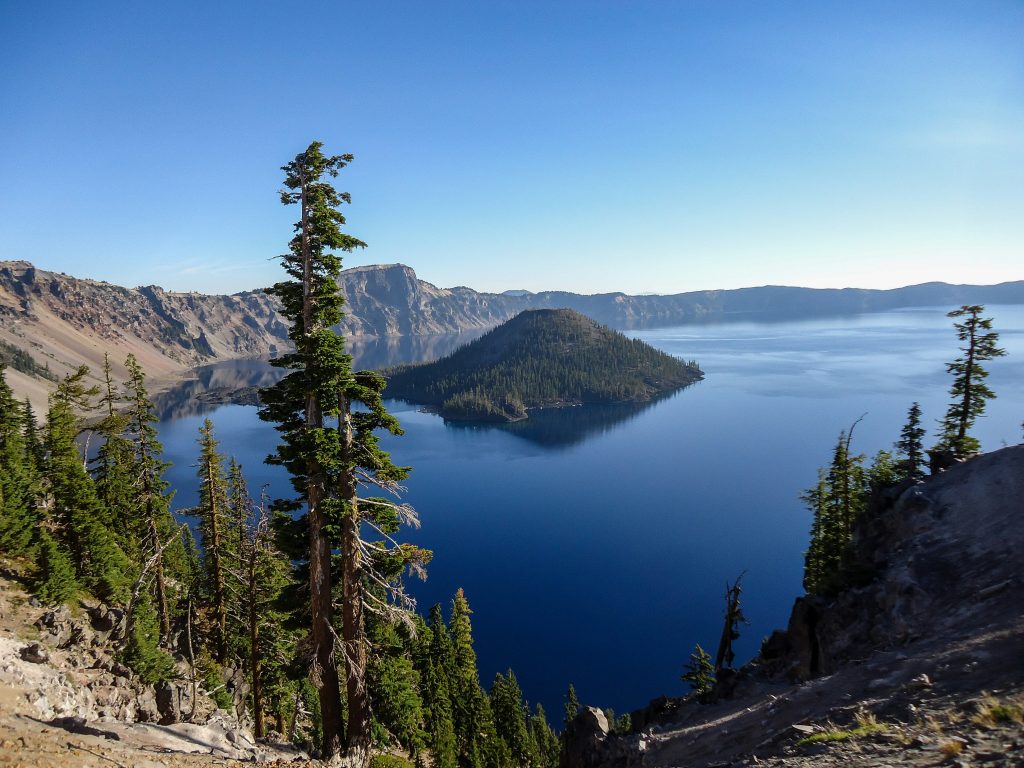
Crater Lake may not be the easiest place to get to (4 hours from Portland, Oregon), but the effort is totally worth it. The deep blue water, the reflection in the lake, and standing at the edge of a volcano that was filled with rain and snow thousands of years ago is absolutely breathtaking.
And once you’ve had your fill of viewpoints and short rim hikes, you’re only a couple hours from Southern Oregon’s Rogue and Applegate Valleys. Small, family-run wineries here welcome visitors with a slower pace, lower price tag, and delicious glasses of Pinot Noir as well as varietals like Tempranillo and Viognier.
If you’re heading back up to Portland, you can also visit the more famous Willamette Valley, where there’s plenty of Pinot, farm-to-table tasting rooms, rolling hills, and picturesque wineries tucked into the mountains. Snow lingers at Crater Lake, so if you want to enjoy the best of it, this is a great summer trip.
And if you’re craving more adventure after all that wine, add a few days in Mount Rainier National Park just across the Washington border. Alpine meadows, waterfalls, and glacier views await.
4. Redwood National and State Parks + Mendocino Wine Region
There’s no better sensory contrast than walking among thousand-year-old redwoods one day and sipping coastal wine the next. The hikes in Redwood National and State Park in far northern California are short, shady, and full of that quiet that makes you feel small compared to these old, gigantic forests.
Once you’ve had your fill of giant trees and misty trails, the drive south from Redwood National and State Parks to Mendocino’s coastal vineyards is about three hours. The scenery shifts from forest to ocean cliffs, with small-batch wineries, cozy inns with ocean views, and laid-back tasting rooms like Lula Cellars, Handley Cellars, and Pacific Star Winery.
It’s California wine country without the crowds. It’s more relaxed, more coastal, and more affordable. Watch the sunset over the Pacific with a glass of wine in hand.
5. Kings Canyon & Sequoia National Parks + Paso Robles Wine Country
If you’re looking for a Central California road trip, you can’t go wrong with Sequoia and Kings Canyon National Parks paired with Paso Robles.
Start your trip among the largest trees on Earth. Sequoia’s General Sherman Tree and Kings Canyon’s deep valleys are awe-inspiring in any season. Then make the three-hour drive west to Paso Robles, a region that’s earned its reputation for world-class wines without losing its small-town charm.
“Epic scenery and great wine—yes, please!”
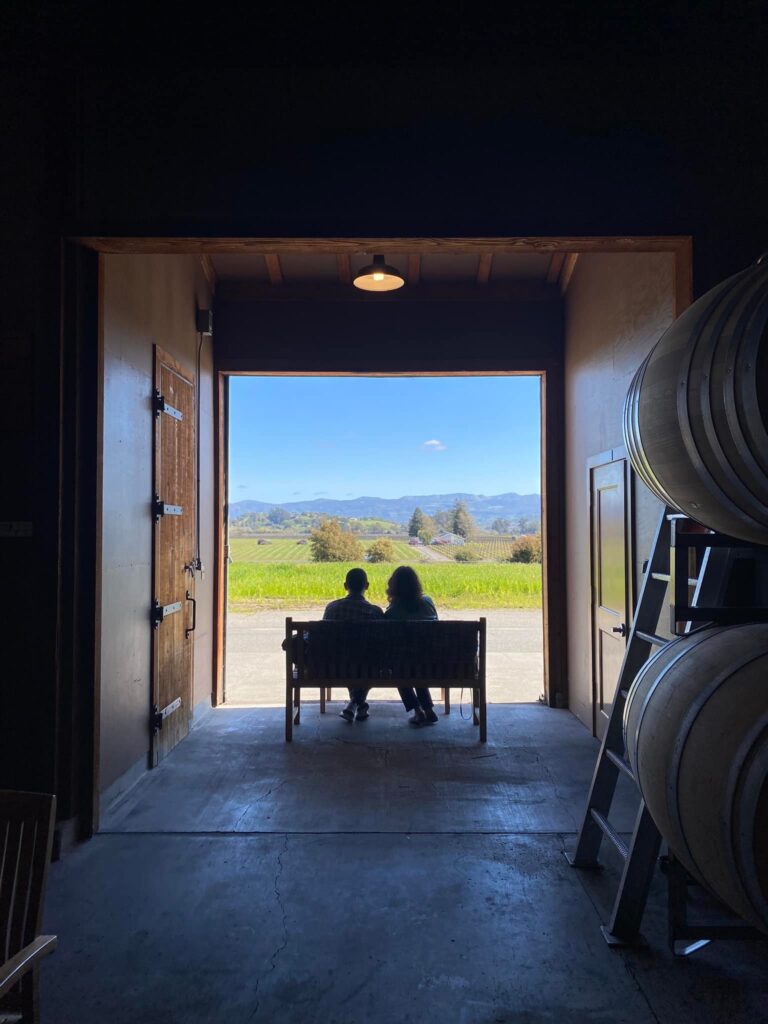
You’ll find everything from sleek, modern wineries perched on hilltops to casual tasting rooms where kids and dogs are welcome. It’s a nice balance of nature, great food and wine, and a casual, welcoming environment. Spring and fall are ideal, but summer is certainly doable as well.
Common Mistakes to Avoid
1. Trying to Do Both in One Day
You cannot hike Half Dome in the morning and hit three wineries in Napa that afternoon. These are two completely different experiences that deserve their own time. Not to mention the driving distance between them. Plan at least 2-3 days for the park and 2 days for wine country.
2. Not Making Wine Tasting Reservations
Walk-ins worked at most Napa wineries ten years ago, but not anymore. Many wineries now require reservations, especially the popular ones. Book your tastings at least 2-3 weeks ahead during peak season (summer and fall). Sonoma and smaller regions like Temecula are more flexible, but it’s still smart to call ahead.
3. Forgetting That Wine Country Has a Different Vibe
You just spent 3 days hiking 10 miles a day, and now you’re trying to rush through six wineries before dinner. Slow down. Wine country is about relaxing, lingering over a glass, and enjoying the views. Schedule 2-3 tastings per day, and build in time for long lunches and wandering.
4. Not Considering Drive Times Between Parks and Wine Regions
Yosemite to Napa is 3.5 hours. Crater Lake to Rogue Valley is 2 hours. Joshua Tree to Temecula is 1.5 hours. These are not quick drives. Factor in travel days or plan to drive in the afternoon after you’re done hiking so you arrive at wine country relaxed, not frazzled.
5. Packing Only Hiking Gear
Wine country has a different dress code than national parks. You’ll want something nicer than your sweaty hiking clothes for tastings and dinners. Bring a couple of outfits that work for a nice restaurant, and comfortable shoes that aren’t muddy trail runners.
6. Choosing the Wrong Season
Summer is peak season for both parks and wine country, which means crowds and high prices everywhere. Spring and fall offer better weather, fewer people, and lower hotel rates. Harvest season (September-October) is beautiful in wine country, but can be busy. Late spring (May-June) is often the sweet spot.
7. Not Booking Accommodations Early
Hotels in wine country and near popular parks fill up months ahead, especially for summer and fall weekends. If you wait until 4-6 weeks before your trip, you’ll pay premium prices or end up staying an hour away from everything. Book at least 3-4 months ahead for peak season.
FAQ: Your Questions Answered
How many days do you need for a national park and wine country trip?
A week is ideal — 3 days in the park, 2-3 days in wine country, plus 1-2 travel days. If you only have a long weekend, focus on one destination or pick a closer pairing like Joshua Tree and Temecula (only 90 minutes apart). Trying to squeeze both into 3-4 days leaves you rushing and missing the best parts of each experience.
What’s the best time of year to combine national parks and wine country?
Late spring (May-June) and early fall (September-October) offer the best balance. Spring brings waterfalls and wildflowers in the parks with pleasant weather for wine tasting. Fall delivers harvest season in wine country and beautiful autumn colors. Summer works, but expect crowds and heat everywhere. Winter is quieter, but some park roads close and wineries have limited hours.
Can you visit Yosemite and Napa in the same trip?
Absolutely. They’re about 3.5 hours apart, making them one of the most popular park-and-wine combinations. Plan 3 days in Yosemite for hikes and waterfalls, then drive to Napa for 2-3 days of tastings and relaxation. Book hotels in both places at least 4-6 months ahead for summer visits for the best selection and prices.
Which wine regions are closest to national parks?
Temecula is 90 minutes from Joshua Tree (the closest pairing). Napa is 3.5 hours from Yosemite. Oregon’s Rogue Valley is 2 hours from Crater Lake. Paso Robles is 3 hours from Sequoia/Kings Canyon. Mendocino is 3 hours from Redwood Parks. The drive times are manageable for all of these, making them easy to combine in one trip.
Do you need a rental car for this type of trip?
Yes. Public transportation doesn’t exist between parks and wine regions, and you’ll need a car to get between wineries. Rental cars are essential. Some wine country areas offer shuttle services between wineries if you don’t want to drive after tastings, but you’ll still need a car to get from the park to wine country.
Can you bring kids on a national park and wine country trip?
Yes, but the wine country portion requires more planning. Kids love national parks with easy hikes, wildlife, and open space. Many wineries are family-friendly with lawns, picnic areas, and non-alcoholic options, especially in Paso Robles and Temecula. Napa tends to be more adults-only. Call ahead to confirm if kids are welcome before you book tastings.
Are wine tastings expensive?
It varies by region. Napa tastings typically cost $40-100 per person and often require reservations. Sonoma runs $25-60 per person. Smaller regions like Temecula, Paso Robles, and Oregon’s valleys are more affordable at $15-30 per person, and many waive fees if you buy a bottle. Budget $100-200 per person per day for tastings if you plan to visit 2-3 wineries.
Should you stay in wine country or commute from the park?
Stay in wine country. The distances are farther than you think. Book 2 nights in wine country so you can fully enjoy tastings, dinners, and the relaxed pace without worrying about long drives. Plus, waking up in or near a vineyard is part of the experience.
What should you pack for this type of trip?
Pack layers and versatile clothing. You’ll need hiking boots, layers for cold mornings in the park, sun protection, and a day pack for trails. For wine country, bring nice outfits for dinners, comfortable walking shoes (not hiking boots), sunglasses, and a light jacket since mornings can be cool even in summer.
Can you do wine tastings if you don’t drink alcohol?
Yes. Most wineries offer non-alcoholic options like grape juice, sparkling cider, or local sodas. Some even have coffee or tea. You still get the beautiful vineyard views, the food pairings, and the chance to learn about winemaking. Just let them know when you arrive that you’d prefer non-alcoholic options.
Is it better to visit Napa or Sonoma?
Napa is more upscale with world-famous wineries, Michelin-starred restaurants, and higher prices. Sonoma is more laid-back, less crowded, and more affordable, with equally good wine. If you want luxury and don’t mind crowds, choose Napa. If you prefer a relaxed vibe with easier access to wineries, choose Sonoma. Or split your time between both.
How do you avoid drinking and driving in wine country?
Hire a driver or use a wine tour company that provides transportation. Many companies offer full-day or half-day tours that pick you up from your hotel and take you to 3-5 wineries. Another option is to stay within walking distance of tasting rooms (like downtown Paso Robles or Sonoma Plaza) or use ride-share services between wineries.
The perfect blend
Combining national parks and wine country vacations is an easy way to balance the great outdoors with a great glass of wine. Whether you’re hiking the rim of Crater Lake, standing among redwoods, or watching the sunset from a bubble tent in Joshua Tree, it’s all about enjoying epic views and epic relaxation.
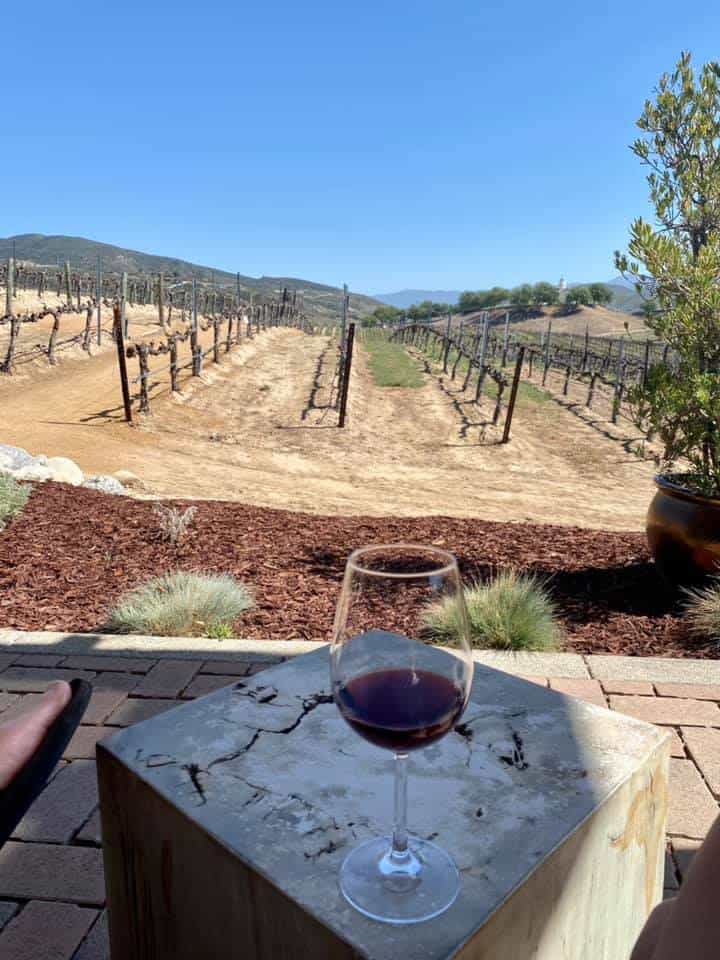
If figuring out how to fit it all together feels like a lot to plan, that’s what I’m here for. I can make it easy, exciting, and completely your style.
Ready for some adventure and some wine?
Set up a free consultation or tell us about your trip to get a quote.