Last updated September 14, 2026
Most, but not all, national parks have lodging accommodations inside the park that can range from rustic camping to luxury lodges. There are advantages to both staying inside and outside of a national park. You often need to plan in advance to score a room inside the park, but it’s far from the only option, and sometimes it’s not the best option. It really depends on what you want to see, how much you enjoy driving the scenic routes, and what type of experience you’re looking for. Here are a few things to consider.
Inside the park can save a lot of driving time in some cases, but it is not always better. In fact, some outside-the-park accommodations are closer to some major sights than inside-the-park accommodations. Bottom line, it depends on the park, the specific lodge, and what’s important to you.
The larger national parks are really big, and driving distances are far
Yellowstone National Park is over 3,400 square miles. To put that in perspective, that’s bigger than the entire states of Rhode Island and Delaware combined! It can take hours to drive from one side of the park to the other. Yosemite is almost 1,200 square miles. Olympic National Park is over 1,400. I won’t even get into the size of the Alaska national parks. These parks are big.
A hotel that is just “10 minutes from the entrance” may sound appealing, but the reality is that park entrances can be hours from the trails, lakes, or geysers you actually want to visit. If your priority is maximizing time in the park and minimizing long drives, staying inside the park is a huge advantage in these massive parks. Staying at Yosemite Valley Lodge or Ahwahnee Hotel puts you just steps from iconic sights like Yosemite Falls and El Capitan, a huge time saver compared to driving in from outside.
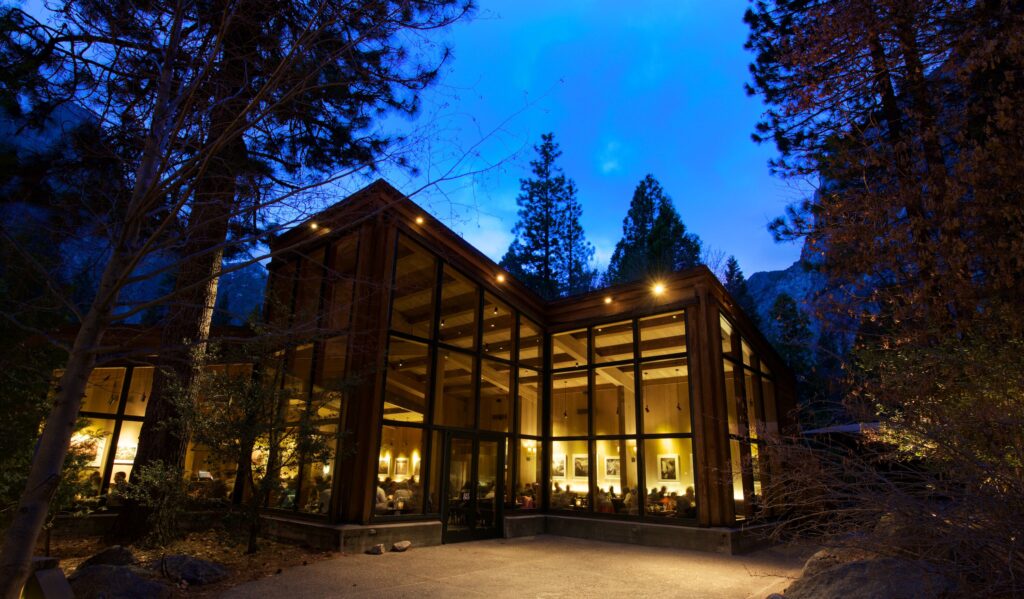
That said, even inside the park, some lodges are far from the highlights you’re most excited about, so mapping out your must-see spots is essential. And there are some outside-the-park lodging that are actually better locations than some inside-the-park options.
Sound overwhelming?
Set up a free call with a national park expert for recommendations that are actually personalized for you!
Let’s look at a few of the specific large parks.
Yellowstone National Park – Is inside or outside a better location?
The answer, of course, is it depends. Canyon Lodge is the most centrally located Yellowstone location. It’s very close to the Grand Canyon of the Yellowstone but more than an hour from Old Faithful and Lamar Valley. Lodges at West Thumb and the Roosevelt Lodge Cabin are at the very edge of the southern and northern ends of the park, respectively, so they are close to some things, but West Yellowstone, outside the park, is closer to sights like the Norris Geyser Basin. Roosevelt Lodge Cabin is inside the park, but still almost two hours from Old Faithful.
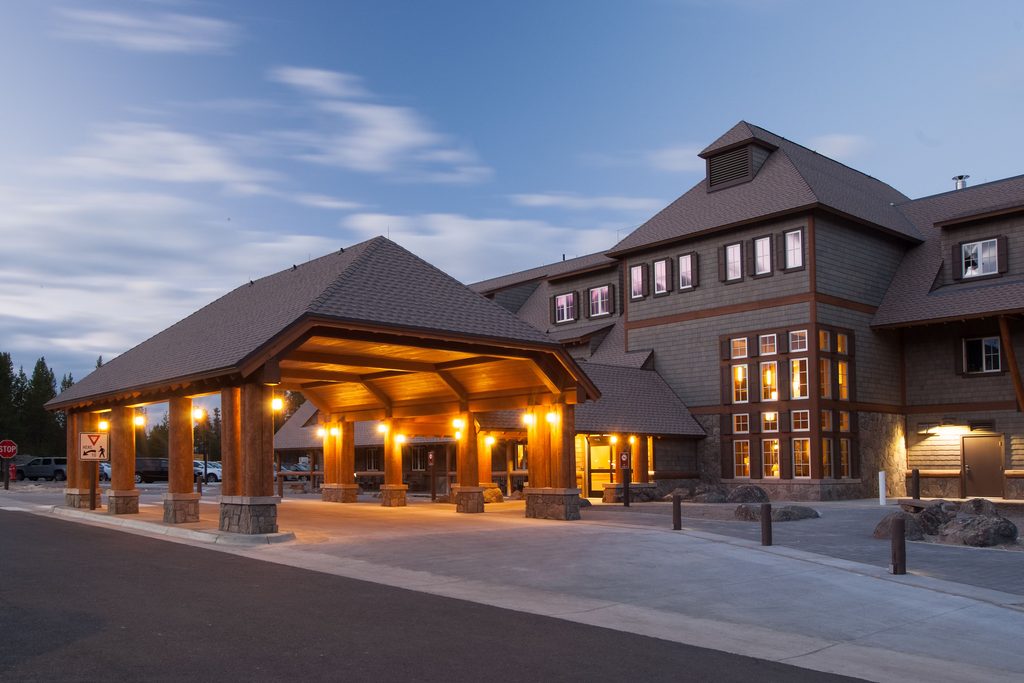
So if you are strictly concerned about location (and there’s more to think about like food and amenities), not every in-park location is the best location just because it’s inside the park.
For a complete guide on where to stay in Yellowstone, including why splitting your stay may make sense, see my Where to Stay in Yellowstone blog.
If you opt for outside the park, I highly recommend West Yellowstone. Check out the options.
Yosemite National Park – Is inside or outside a better location?
This is another huge park, and the answer isn’t simple. If you can score lodging specifically in Yosemite Valley, I’d say go for it. The Awahanee and Yosemite Valley Lodge put you right in the heart of the park, and you will wake up to amazing scenery. That said, reservations are extremely hard to get, and the Awahanee is very expensive. The alternative in Yosemite Valley is Curry Village, which is overpriced tent-cabin camping. The location may be worth paying for if you don’t mind the camping set-up.
The other “in-park” locations aren’t nearly as central. There are a range of cabin in Yosemite West and Wawona that are in the park, but on the very far western and southern sides. They do have the advantage of avoiding the line to enter the park every day, but it’s still 45 minutes to an hour to drive to Yosemite Valley. El Portal, outside the park, is actually closer.
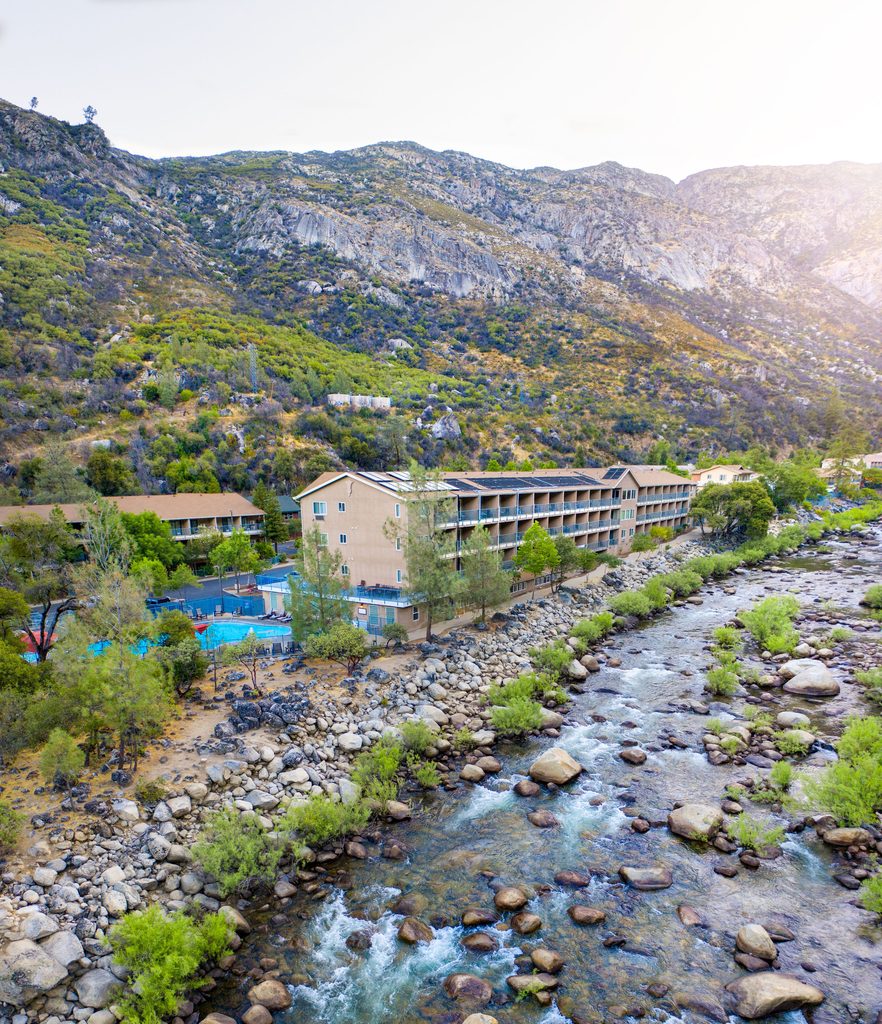
For a complete guide on where to stay in Yosemite, including why I think Yosemite View Lodge is the most convenient location outside the park, see my Where to Stay in Yosemite Guide.
Mariposa is a popular Yosemite option outside the park and easier to book. Check out some options.
Glacier National Park – Is inside or outside a better location?
This may be a hot take, but I’d argue that St. Mary, outside the park, is the best location in Glacier if convenience is your primary concern. While it is technically outside the park, it sits between the Going-to-the-Sun Road and Many Glacier, making it more central than either of the in-park lodges at Lake McDonald or Many Glacier.
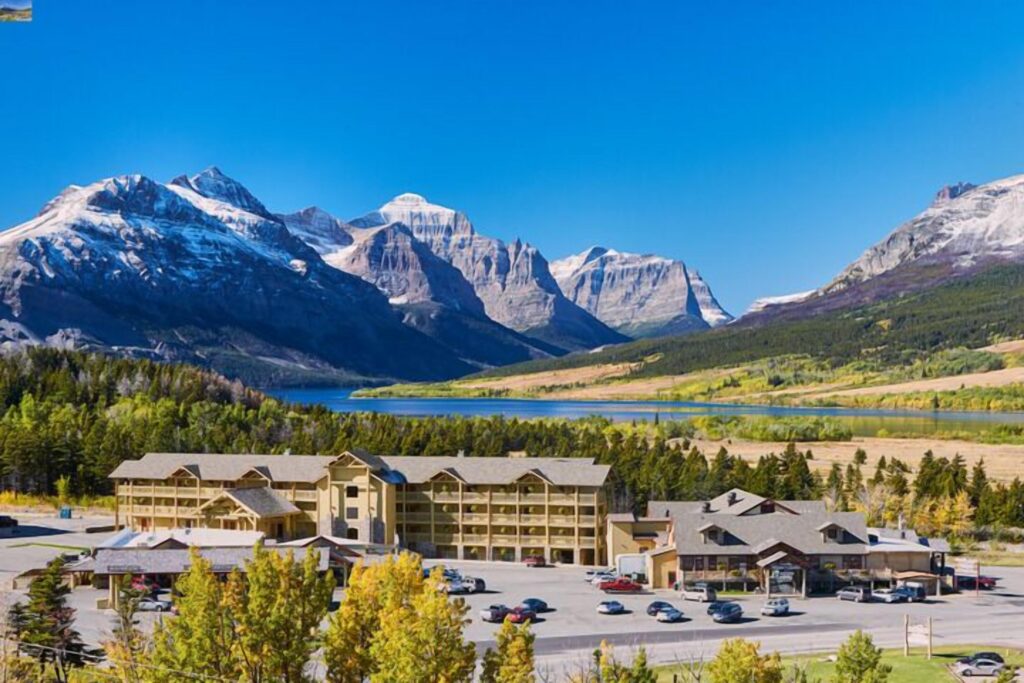
That said, because of the location, it is almost as difficult to get a reservation here as it is in-park lodging. If you can’t get a reservation at St. Mary, check out my full guide to Where to Stay in Glacier and see why I recommend staying on the east side if you want to reduce driving, even though there are more lodging options on the west side.
Check out East Glacier rental homes and cabin options
For smaller national parks, staying outside the park may have more advantages
For smaller parks, the trade-off between staying inside the national park or outside is often much less extreme. At Zion National Park, many visitors stay just outside in the town of Springdale, where the park shuttle system will take you directly to the main sites of the park. The distance from Springdale to the main sites of Zion is much smaller, and you can access a much wider range of accommodations and restaurants. Check out my full guide in Where to Stay in Zion and the best options in and around Springdale.
Check out great lodging options in Springdale, the best gateway town near Zion National Park
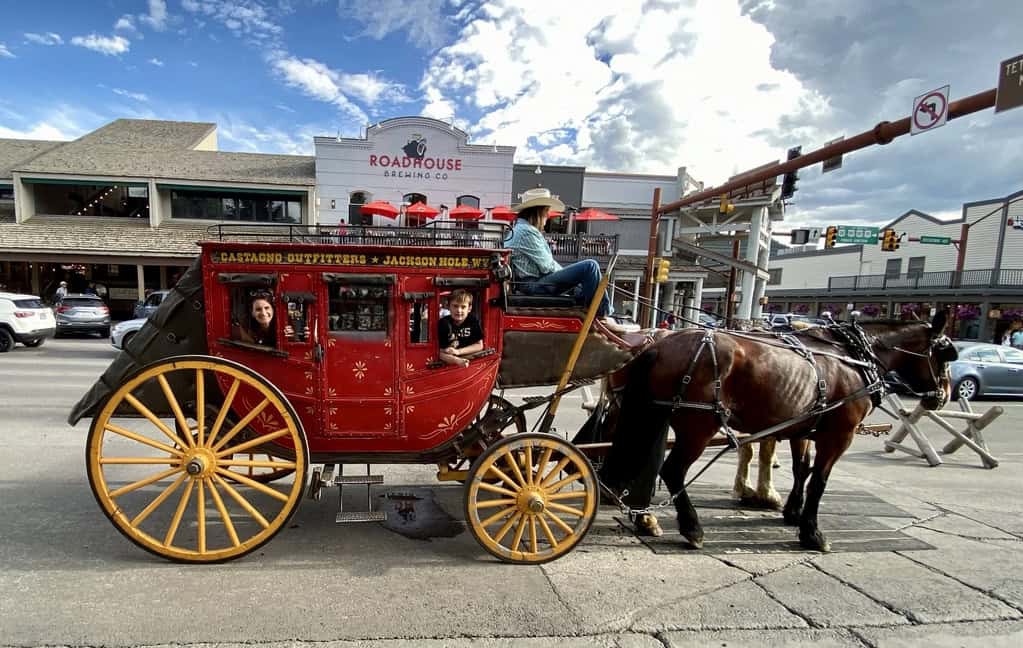
Similarly, in Grand Teton National Park, staying in nearby Jackson, Wyoming, can be nearly as convenient as lodging inside the park. Jackson is a fantastic town with cute shops, a range of accommodation options, breweries, restaurants, and even a theatre.
Another important consideration is traffic. Parks can get crowded during peak season, and it’s very common for there to be construction during peak season. For high-altitude parks that see snowy winters, damage to roads is inevitable, and the only time for road repair can be the peak season.
Food outside the park is almost always better
Dining is another big consideration. Inside the parks, food choices are often limited, overpriced, and not always memorable. At Yellowstone, you’ll find cafeteria-style meals at Old Faithful Lodge or more upscale dining at Lake Yellowstone Hotel, but options are slim compared to the variety available in nearby towns like West Yellowstone or Gardiner, Montana.
Yellowstone National Park is bigger than the entire states of Rhode Island and Delaware combined!
Yosemite has a similar story. There are a handful of in-park restaurants ranging from quick lunch options like Degnan’s Deli in Yosemite Village to the upscale Ahwahnee Dining Room, but there are more highly rated, less expensive (but still not cheap) options in the outlying towns of Oakhurst or Mariposa. And realistically, if you are staying in the park, you probably aren’t going to drive two hours or more round-trip outside of the park for a meal.
If dining is an important part of your vacation experience and you don’t want to drive for hours, then consider smaller parks with gateway towns such as Moab for Arches and Canyonlands or Bar Harbor for Acadia. These parks don’t even have in-park accommodations because staying outside of the park is so easy, and there is a wider selection of dining options.
Staying inside the park is generally going to be more expensive
In-park lodging is almost always more expensive for what you get. Rooms at the Old Faithful Inn in Yellowstone or the Ahwahnee Hotel in Yosemite are bucket-list worthy for the history and atmosphere, but they often come with higher price tags, smaller rooms, and limited amenities like no TVs or weak Wi-Fi. Many national park lodges were built decades ago, so you’re often paying for location and character more than luxury.
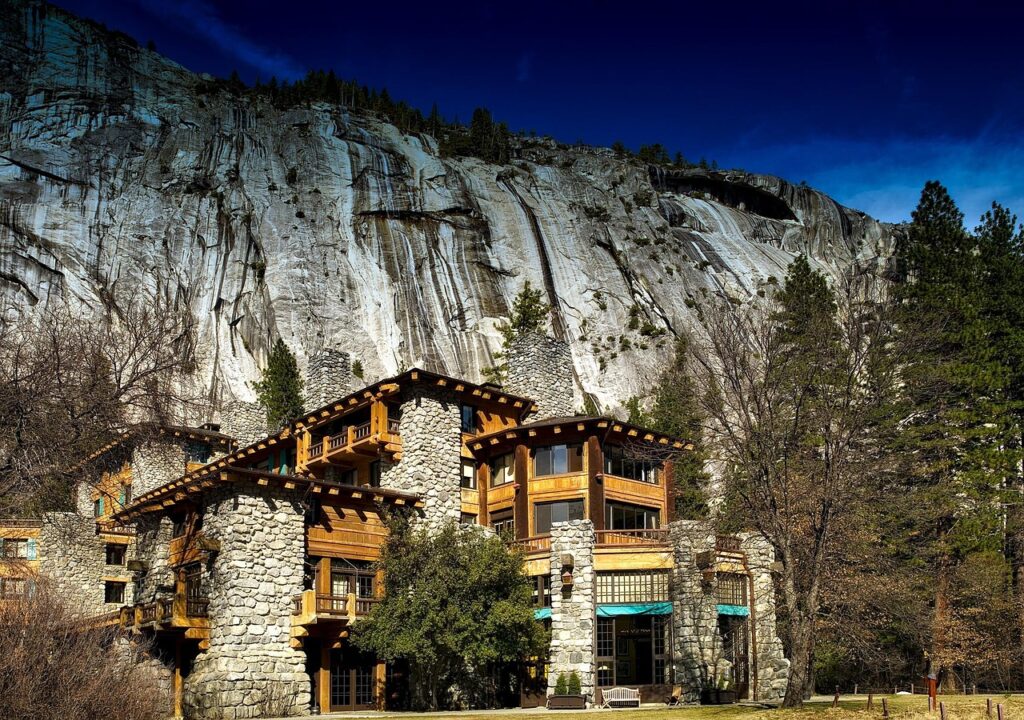
Mid-range options in the parks tend to sell out the fastest. For example, reservations for Yellowstone’s Canyon Lodge or Yosemite’s Yosemite Valley Lodge open a year in advance and book quickly, depending on the season. Higher-end accommodations like the Ahwahnee or Lake Yellowstone Hotel may still have availability closer in, but at a much higher cost.
Outside the parks, you generally get more for your money. In West Yellowstone, you’ll find chain hotels with modern amenities for less than an in-park cabin. In Springdale, boutique lodges like Cliffrose Lodge offer resort-style amenities within minutes of Zion’s entrance. For families who want space and kitchens, renting a vacation home outside the park can also be more cost-effective.
Unique experiences inside the park
Another advantage of staying inside a national park vs. outside is the atmosphere. Waking up at Bryce Canyon Lodge and walking to the rim for sunrise, or watching Old Faithful erupt from the porch of the Old Faithful Inn, are experiences you simply can’t replicate outside the park. If you’re looking for immersion in nature and fewer crowds after day-trippers leave, staying in the park is worth it.
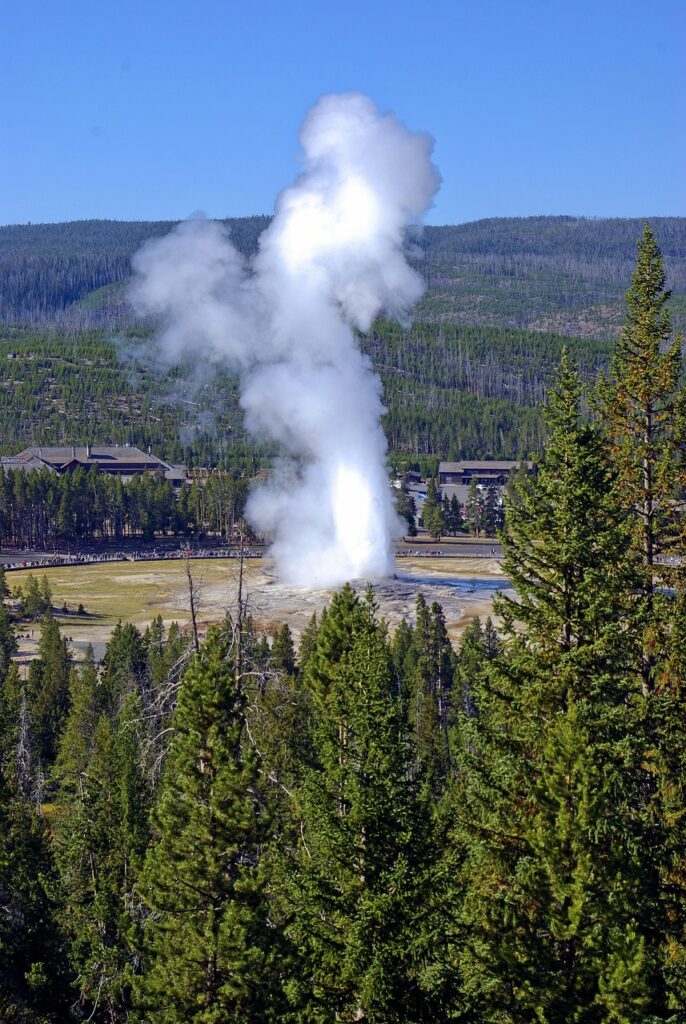
If you’re dreaming of seeing bears, moose, and other animals, dawn and dusk are always the best times for wildlife sightings. Staying in the park can make that dawn wake-up call much more realistic.
So, should you stay inside or outside the park?
There’s no single “right” answer to the park lodging question. If convenience and immersion in nature are your top priorities, staying inside is ideal. Staying inside the park can also streamline planning by eliminating the need for park reservations. If budget, food variety, and modern comforts matter more, staying outside may be the better fit.
My general recommendation is that if it’s in your budget and booking far enough in advance, stay in the park for the larger national parks. If you want more dining options, you can split your time inside and outside the park. I can help you map out what to see and do while you are in the park versus outside to minimize backtracking.
For smaller parks, unless the immersion component of being in the park for sunrise or the stars after dark is really important, outside the park usually works for most people. But again, it all depends on what’s important to you, not me or any other travel blogger that you are reading.
Common Mistakes to Avoid
Here are the mistakes people make when deciding where to stay that can leave them frustrated or overspending.
1. Booking Inside the Park Without Understanding What You’re Getting
Not all in-park lodging is luxurious. Some historic lodges have shared bathrooms, no TVs, spotty WiFi, and creaky floors. You’re paying for location and experience, not modern amenities. Read descriptions carefully before booking so you know exactly what “rustic” means for that specific property.
2. Assuming “Just Outside the Park” Means Close to What You Want to See
A hotel “10 minutes from the entrance” might sound convenient, but Yellowstone’s west entrance is still an hour from Old Faithful. It takes hours to drive across Glacier and Yosemite. Map out where you actually want to spend your time and choose lodging accordingly.
3. Waiting Too Long to Book Inside the Park
Popular in-park lodges like Old Faithful Inn, Yosemite Valley Lodge, and Many Glacier Hotel book up 12-13 months in advance for peak season. If you wait until 3 months before your trip, you probably won’t get a room.
4. Not Factoring in Food Costs and Quality
In-park dining is often expensive and mediocre, with limited options. Outside the park, you’ll have more choices, better quality, and often lower prices. Some people solve this by packing coolers and making their own meals.
5. Overlooking Gateway Towns with Great Character
Towns like Jackson (Grand Tetons), Springdale (Zion), Moab (Arches/Canyonlands), and Bar Harbor (Acadia) offer charming downtown areas, breweries, great restaurants, and activities beyond the park. Don’t miss these towns.
6. Assuming Every In-Park Accommodation Option is a Great Location
In very large parks like Yellowstone and Yosemite, some of the in-park lodges are close to the outer boundaries of the park and can be very far from where you want to go. In some cases, outside the park options are closer to some main sights than inside the park options. You really have to map out everything you want to see to decide on the best location.
FAQ: Your Questions Answered
Is it worth the extra money to stay inside a national park?
It depends on the park and your priorities. For massive parks like Yellowstone, Yosemite, and Glacier, staying inside saves hours of driving and puts you close to wildlife viewing at dawn and dusk. For smaller parks like Zion or Grand Canyon, staying in nearby gateway towns works just as well and often costs less while offering better hotel amenities and dining options.
How much more expensive is staying inside the park?
It varies widely by season. In-park lodging typically costs $200-400 per night for mid-range rooms, with luxury options like Ahwahnee Hotel or Jenny Lake Lodge running $600-1,200. Gateway town hotels range from $150-300 for comparable or better accommodations. You’ll pay a premium of at least $50-150 per night to stay inside, sometimes more during peak season.
Do in-park lodges have the same amenities as regular hotels?
No. Many historic park lodges lack modern amenities like TVs, air conditioning, or strong WiFi. Some rooms have shared bathrooms down the hall. You’re staying for the experience and location, not the luxury. Always read the room description carefully before booking to know what you’re getting. For example, no hotels in the Grand Canyon Village have pools, but many outside the park do, which can be really important in the heat of the summer.
How far in advance do you need to book in-park lodging?
For popular lodges during peak season (June-August), book 12-13 months in advance when reservations open. Yellowstone, Yosemite, Glacier, and Grand Canyon fill up fastest. For shoulder season (April-May, September-October), 6-9 months ahead usually works. Last-minute availability in the popular parks can happen with cancellations, but it’s not easy.
Can you stay inside the park and still visit gateway towns for meals?
Technically yes, but it’s not practical. If you’re staying at Old Faithful, driving to West Yellowstone for dinner is 90 minutes round trip. Most people either commit to in-park dining (and accept the higher cost and limited choices) or pack coolers with snacks and easy meals to prepare in their rooms.
Which national parks don’t have any lodging inside the park?
Several popular parks have no in-park lodging: Great Smoky Mountains, Rocky Mountain, Acadia, Arches, and Canyonlands. For these parks, staying in nearby gateway towns (Gatlinburg, Estes Park, Bar Harbor, Moab) is the only option and works perfectly well since the towns are so close.
Is the food better outside the park?
Almost always. In-park dining tends to be overpriced cafeteria food or expensive sit-down restaurants with limited menus. Gateway towns offer far more variety, including local breweries, ethnic cuisine, farm-to-table restaurants, and budget options like grocery stores where you can stock up on snacks and picnic supplies.
Should you stay in the park for your entire trip or split time between inside and outside?
For big parks like Yellowstone or Yosemite, consider spending 2-3 nights inside for the immersive experience and early morning access, then 1-2 nights outside for better food and a change of pace. For smaller parks, just pick one location to avoid the hassle of changing hotels mid-trip.
Do you get better wildlife viewing if you stay inside the park?
Yes. Wildlife is most active at dawn and dusk. Staying inside the park means you can be out on the trails or driving scenic roads at 6 AM without a long commute. You’ll also have fewer crowds scaring animals away. If wildlife photography is a priority, staying inside is worth it.
Are there any parks where staying outside is actually better?
Yes. For Zion, staying in Springdale puts you within walking distance of the park shuttle, tons of restaurants, and closer to activities like hot springs. In the Grand Tetons, Jackson offers a charming town with great dining, and is nearly as convenient as in-park lodging. Moab is the clear choice for Arches and Canyonlands, with no in-park options anyway.
Can you camp inside the park instead of staying in a lodge?
Yes, and camping is significantly cheaper ($20-40 per night vs $200-400+ for lodges). Campgrounds book up just as fast as lodges, though, often 6 months ahead on Recreation.gov. Camping gives you the in-park experience at a fraction of the cost, though you’ll need gear and be comfortable roughing it a bit.
What’s the best strategy if you can’t get reservations inside the park?
Book a hotel in the closest gateway town and plan to arrive at the park very early each morning (before 8 AM) to beat crowds and get parking in peak season. Check the park’s lodge websites daily for cancellations, as rooms do open up. Or consider visiting during shoulder season when availability is better, and prices are lower.
Need help planning your trip?
If you are still confused or feel undecided, let’s chat and figure out what the right trade-offs are for you. Wherever you choose to stay, I can help you sort through the options and design a plan that fits your travel group, budget, and dream trip.
Let’s plan your perfect park stay
Set up a free consultation or tell us about your trip to get a quote.