Let’s be honest: Planning a trip to one National Park can be stressful. Planning a road trip to visit five of them in a single week? That can be downright overwhelming.
The ‘Utah Mighty 5’, Zion, Bryce Canyon, Capitol Reef, Arches, and Canyonlands, is one of the most spectacular road trips in the United States. But, it can also be crowded, hot, and a lot of driving, spread out over 300 miles of high desert.
There’s a lot of logistics to plan. You need a complete, battle-tested itinerary. There’s too much to do in these 5 parks and too much risk for backtracking and delays to wing it. The difference between a dream trip and a meltdown often comes down to timing. If you hit Arches at 11:00 AM in peak season, there can be a huge line to get in, and you will get turned away without a reservation. If you don’t get to the Zion shuttle before the parking lot fills up, you’ll waste an hour or more heading out of town and taking the city shuttle to the park shuttle. If you aren’t prepared for the elevation at Bryce, you might freeze.
This isn’t just a list of parks, it’s an inspiration list with trip planning tips and hidden gems to help you see the best of Utah’s red rocks without the stress.
Spending too much time reading blogs?
Set up a free call with a national park expert for recommendations that are actually personalized for you!
When to go to the Utah national parks
Summer is peak season simply because it’s when most people can travel, not because it’s the best weather. Bryce and Capitol Reef aren’t as hot as you would think because of the elevation, and hiking early in the morning to beat the heat is a good strategy.
That said, spring and fall are great times to enjoy milder temperatures and fewer crowds. If you are looking for a spring break national park trip, this is it, in my humble opinion. Trails are open, waterfalls are flowing (yes, waterfalls in the desert), and wildflowers are blooming.
You can connect all five parks into one Utah Mighty 5 road trip or pick two or three for a more relaxed week. There are also some incredible state parks, amazing sights like Antelope Canyon and Horseshoe Bend, and the Grand Canyon isn’t far, so there are countless ways to build an itinerary depending on what you want to do.
There is truly something for every kind of traveler: epic hikes as well as short ones, amazing scenic drives, and a range of activities from ATV and jeep rides to rafting, biking, hot air ballooning, hot springs, and so much more. It’s the perfect way to unplug this spring.
The Utah Mighty 5 route
The five parks stretch across southern Utah, connected by some of the most beautiful drives in the country. You can start from Las Vegas (for Zion and Bryce) or Grand Junction, Colorado (for Arches and Canyonlands). Driving between all five parks takes about 8–10 hours total, so depending on how much time you want in each park, 10-14 days is ideal. If you don’t like being rushed, I’d suggest not trying to do all 5 in a week.
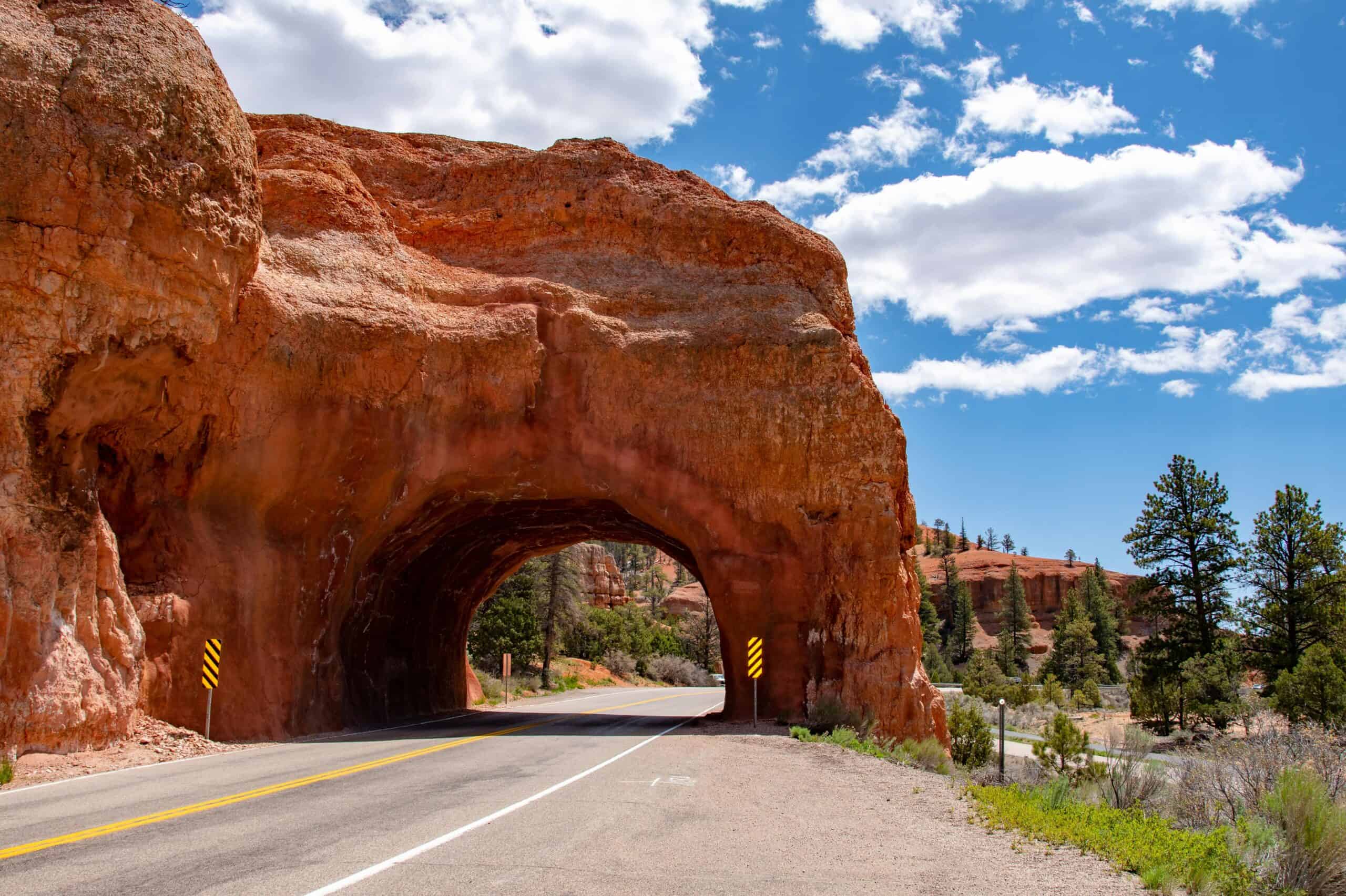
Highway 12, which connects Bryce Canyon and Capitol Reef, is often called one of the most scenic roads in America. It winds through slickrock canyons, alpine forests, and open desert vistas, so you want to leave time to stop and take in the view.
Travel tip: Invest in an America the Beautiful Pass. It’s $80 to access all national parks for a year. Each park normally costs is $25 – 40 dollars so it pays for itself quickly.
Zion National Park
Zion is one of the most visited parks in America, which means summer is crowded. It’s still popular in the spring, but it’s definitely shoulder season. It’s a fantastic time to visit if you want more comfortable temperatures and fewer people on the trails and park shuttles.
For hikers: Zion is home to some epic hikes, including Angels Landing (permit required) and the Narrows. Emerald Pools and Canyon Overlook are shorter standouts. The one downside of Zion in the spring is the Narrows, a bucket-list hike for many, where you wade through the Virgin River, can be cold or closed if the water levels are too high. If it’s open, you can rent bibs and gear to manage the temperatures. There are also alternative slot canyons, such as Kanarra, nearby that offer a similar adventure without the crowds.
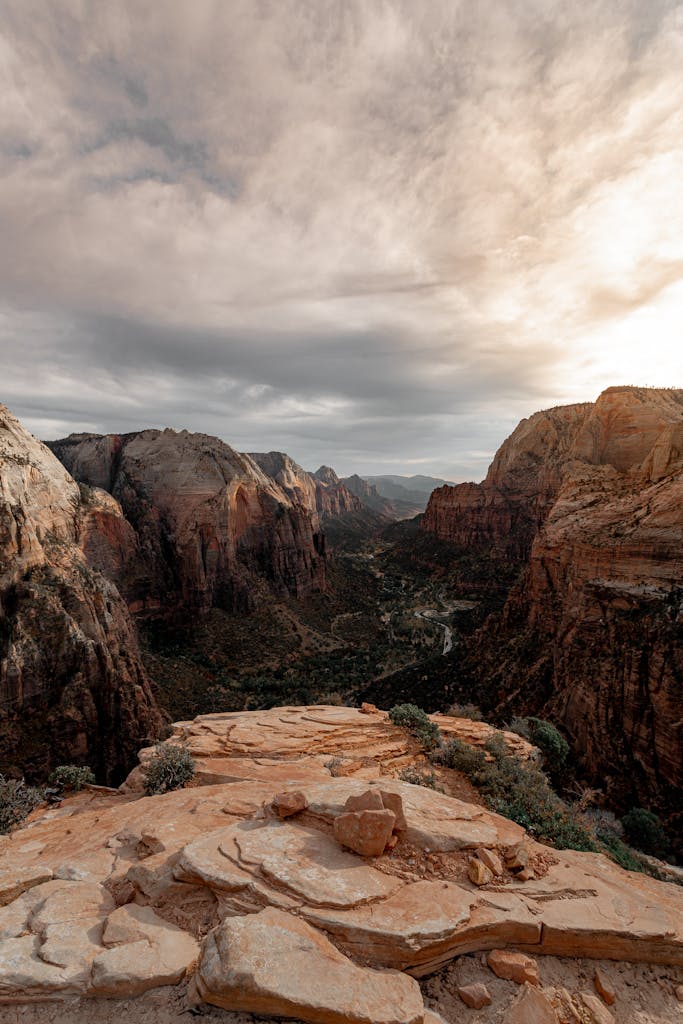
For non-hikers: Emerald Pools and Riverside Walk are shorter trails that are more accessible. Weeping Rock is less than a half mile and you get to walk behind a waterfall. The Pa’rus Trail is a flat, paved walk that follows the river, perfect for strollers or e-bikes. For a day of true relaxation, check out Zion Canyon Hot Springs.
Where to stay: Springdale has a range of very convenient hotel options, great restaurants, and a free shuttle to the visitor center. If you want to glamp, Under Canvas and Wildflower Zion resort are just a bit further out.
Bryce Canyon National Park
Bryce is unlike anywhere else. It’s a maze of crimson hoodoos and towering rock spires that glow at sunrise. In spring, there might still be some snow on the hoodoos, which can make the views even more striking. The temperature swing can feel pretty dramatic compared to Zion. Expect chilly mornings and highs in the mid-50s in April.
For hikers: The Navajo Loop and Queens Garden Trail let you walk down right through the hoodoos. It’s a much smaller park relative to Zion, so you can see a lot without logging a lot of miles.
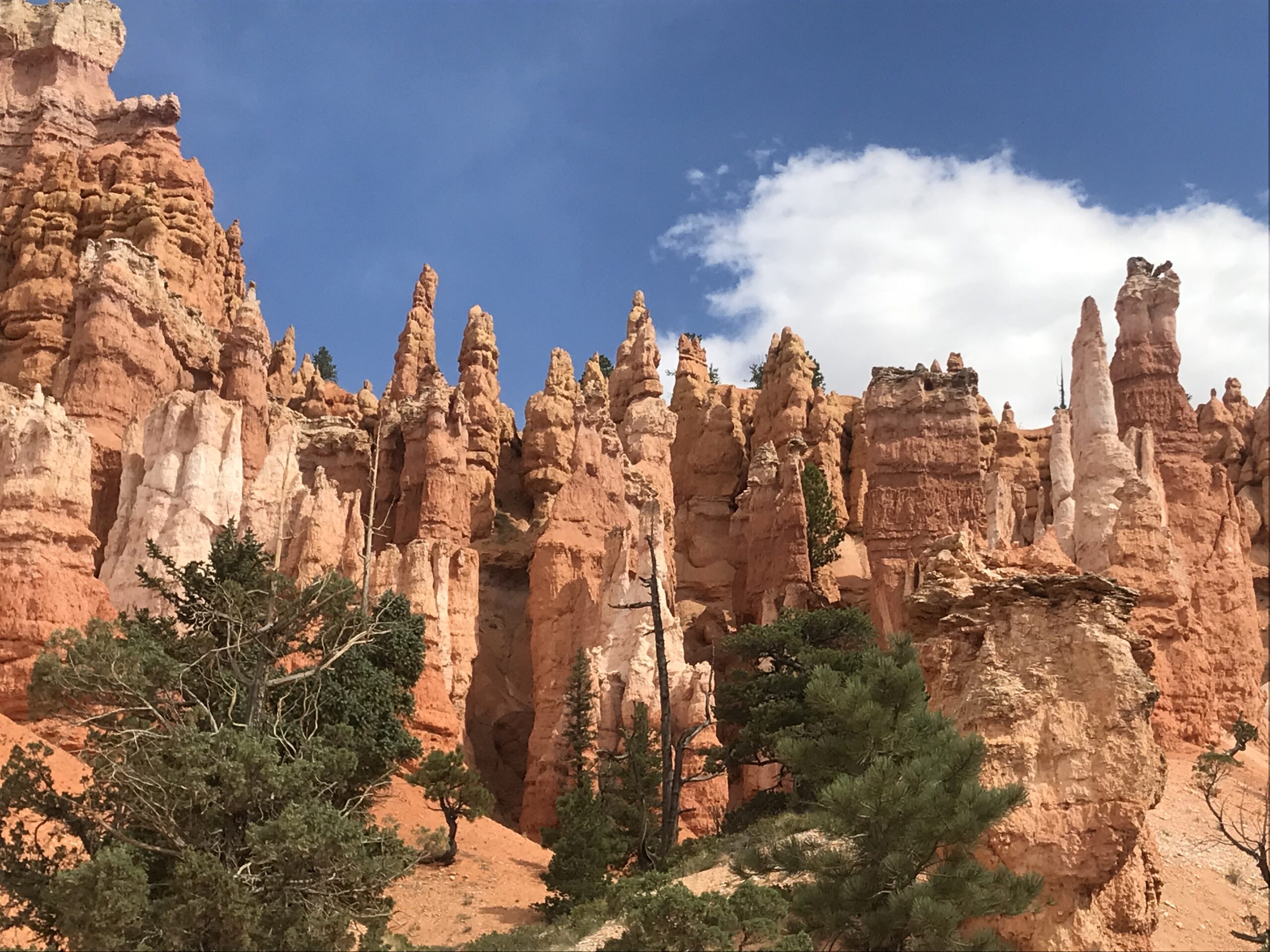
For non-hikers: You can see some of the best views of Bryce driving the scenic rim road. Don’t miss the viewpoints at Sunrise, Sunset, and Inspiration Point. In nearby Bryce Canyon City, you can rent ATVs for a family adventure or join a ranger-led stargazing program. Bryce is a designated Dark Sky Park, and the night skies here are unreal.
Where to stay: Bryce Canyon Lodge puts you right inside the park. The nearby town of Tropic offers cozy cabins and small inns with beautiful red rock views.
Capitol Reef National Park
Often called Utah’s “hidden gem,” Capitol Reef is less crowded but every bit as beautiful as its neighbors. It’s the perfect halfway point between Bryce and Arches, connected by that unforgettable stretch of Highway 12.
For hikers: Hickman Bridge Trail has a natural bridge with cool rock formations. Cassidy Arch is one of the few arches you can actually stand on! Grand Wash is a little longer at 4.5 miles round-trip and has tall, narrow, slot-canyon style walls you walk through.
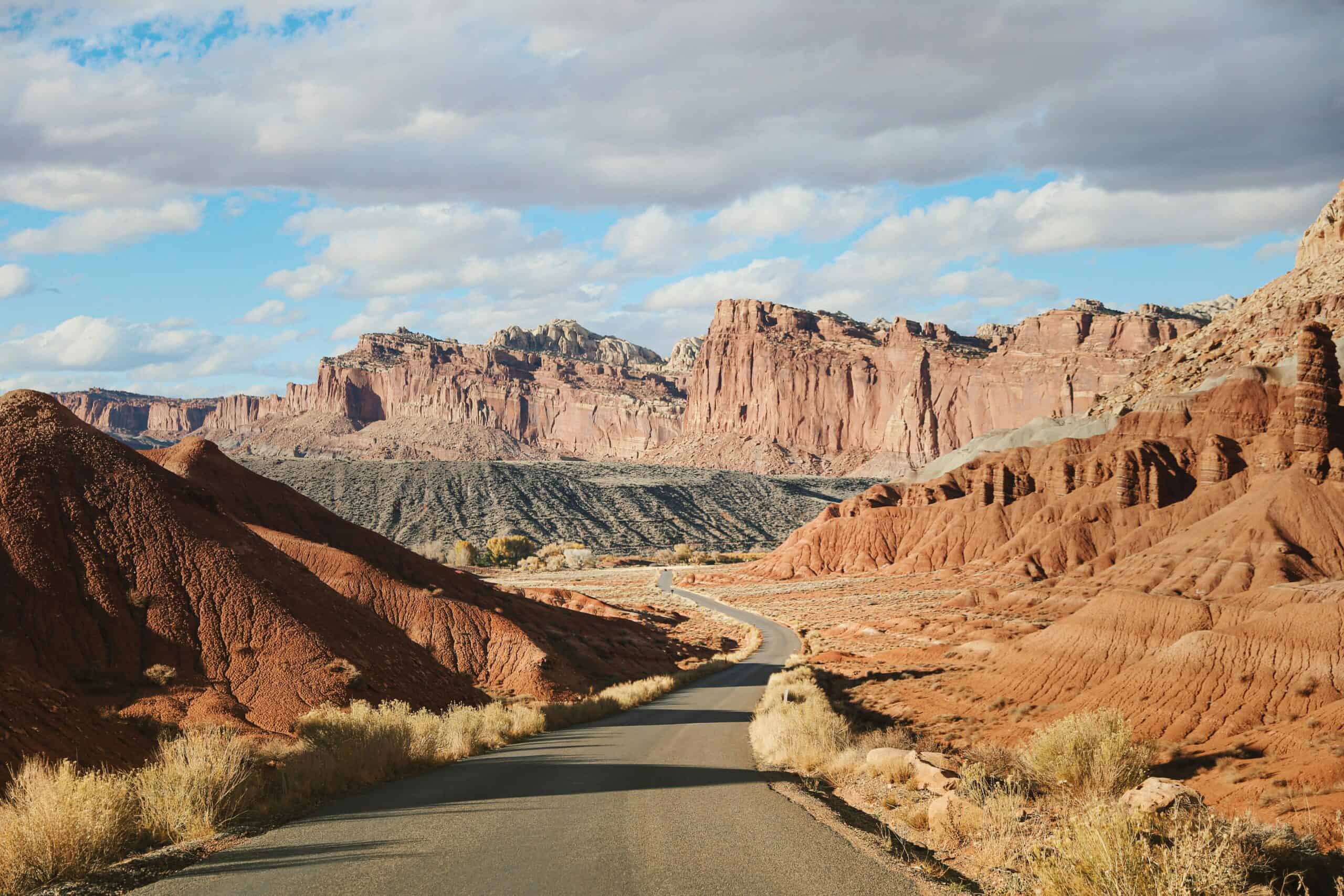
For non-hikers: Sunset point is easy and under a mile and leads to a gorgeous overlook. Twin rock, Chimney rock, and Panorama point are more great lookouts. The Fruita Historic District is a great scenic drive through the park’s red rocks canyons. Stops along the way include picking fresh fruit from the orchards (peaches and pears should be in season in the spring), exploring an old one-room schoolhouse, looking for petroglyphs carved into the cliffs, and buying fresh-baked pies at the Gifford House. It’s a Capitol Reef institution.
Where to stay: Torrey is the best base. Families can even stay in covered wagons or tiny homes for a fun twist.
Arches National Park
The postcards don’t lie. Arches is every bit as spectacular as it looks and in spring, you can actually enjoy it without the desert heat.
For hikers: The hike to Delicate Arch, the park’s star is a 3.2-milesround trip. Don’t overlook Devil’s Garden Loop or the Windows Section, where short trails lead to some of the park’s most photogenic arches.
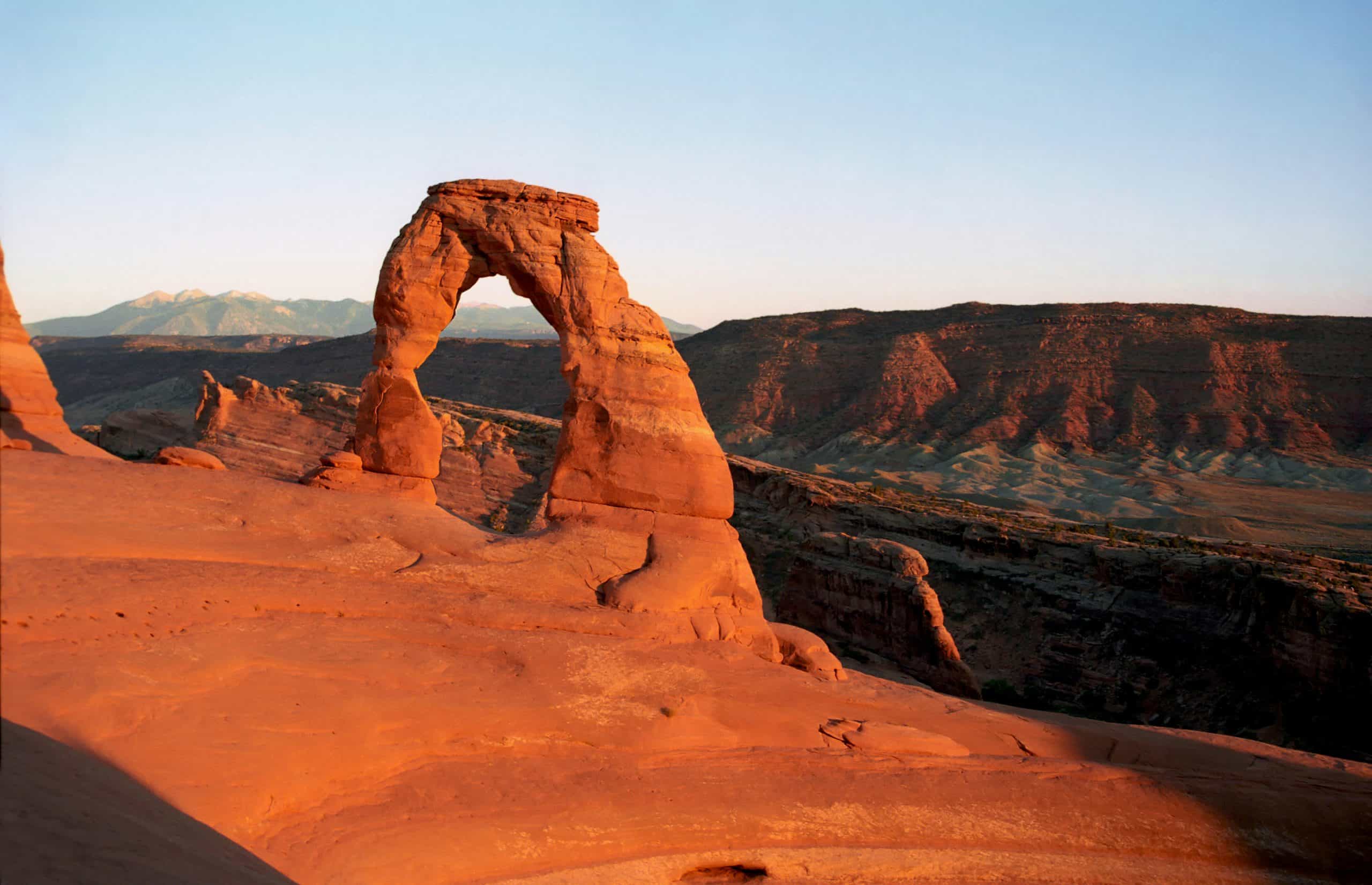
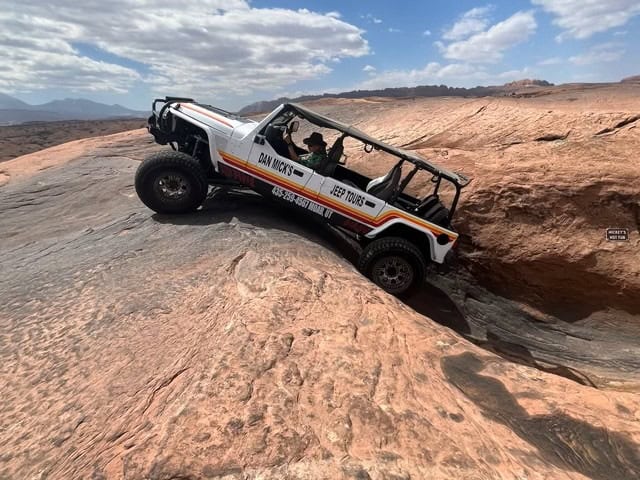
For non-hikers: You can see plenty from the 18-mile scenic drive, with easy pullouts for photos and short strolls. The nearby town of Moab is packed with fun options including rafting on the Colorado River, mountain-biking, off-road Jeep tours, and a dinosaur museum. If you are driving from Capitol Reef, Goblin State Park is a great stop where you can see really unique mushroom shaped red rocks from the comfort of your car.
Where to stay: Moab has everything from campgrounds to boutique hotels and glamping spots. It’s the perfect base for exploring both Arches and Canyonlands.
Canyonlands National Park
Canyonlands is vast and quieter with endless views. It’s significantly bigger than Arches and is divided into multiple districts. The Island in the Sky District is the most accessible part of the park and the closest to Moab. If you are short on time (and if you are trying to fit all 5 parks in, you probably are), this offers some of best views that don’t require epic hiking.
For hikers: Grand View Point Trail is a rewarding, easy walk along the rim with fantastic canyon and cliffside views. Upheaval Dome is a unique hike with views of a geological crater, which is a bit of a mystery, but the current theory is it was caused by a meteorite.
For non-hikers: Mesa Arch, one of the most famous sites of Canyonlands, is only 0.6 miles round-trip and offers a stunning sunrise if you can rally early enough. Don’t miss Green River Overlook in the Island in the Sky district. If you have time, stop by Dead Horse Point State Park for some of the best views in Utah with minimal walking. And of course, all those non-hiking options in Moab.
Where to stay: Moab is your go-to, with easy access to both Arches and Canyonlands.
How to plan your Utah Mighty 5 road trip
There are tons of ways to do the Mighty 5 and if you only have a week, you might want to pick and choose and not rush through all 5. You can easily spend a week just in Moab and explore some nearby state parks or spend a little time in Grand Junction, CO if you fly in there. Alternatively, it’s just as easy to spend a week in Zion and Bryce and maybe add in the Grand Canyon or some of the great sights in Arizona.
Travel tip: Bring lots of layers as it can be chilly in the mornings and don’t forget the sunscreen. The high desert sun is strong even in spring.
Enjoy the Utah Mighty 5 your way
You don’t have to be a hardcore hiker to fall in love with Utah’s national parks. Whether you’re chasing sunrise views, exploring hidden canyons, or just enjoying the quiet beauty of this unique scenery, there’s something here for everyone. And spring is the perfect time to enjoy it before the heat and summer crowds.
There are so many things to do and so many ways to explore the Utah Mighty 5 and surrounding areas, it can be really overwhelming to plan. This is just a small sampling of the things you could do there.
If you want a stress-free trip, without all the research, I can help. Whether you want a trip that’s mostly hiking, scenic drives, or unique adventures, I will create a custom itinerary that fits your interests.
Ready to plan the ultimate Utah road trip?
Set up a free consultation or tell us about your trip to get a quote.