Last updated: August 17, 2026
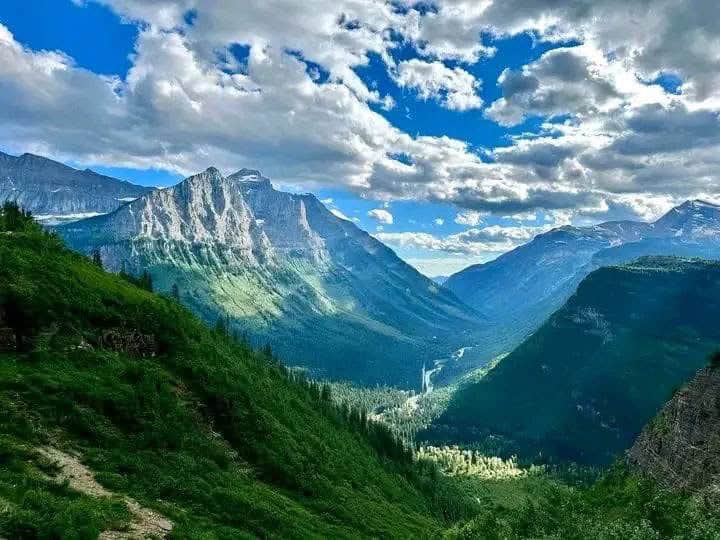
The Going-to-the-Sun Road is simply a spectacular drive with awe-inspiring views at every turn. Glacier National Park is still my favorite national park and one of my favorite places on Earth. And the Going-to-the-Sun Road is a big reason why. It is 50 miles of sheer cliffs, glacial lakes, and waterfalls that you can see right from your car window.
That said, be prepared for narrow, hairpin turns with steep drop-offs. The driving isn’t always easy, but it’s so worth it. If you don’t like stressful driving, check out the park’s historic Red Jammer tours (which sell out quickly).
Of course, there’s a lot more to Glacier than the Going-to-Sun Road. Check out my 3-, 5-, and 7-day itinerary to plan your full trip. There are plenty of opportunities to stop and hike, but you can still experience some of the best of Glacier without hiking.
Here is everything you need to know to drive Glacier’s crown jewel.
Why the Going-to-the-Sun Road belongs on your bucket list
The Going-to-the-Sun Road Glacier drive stretches about 50 miles from West Glacier to St. Mary, crossing the Continental Divide and showcasing everything that makes this park so extraordinary. Lakes. Waterfalls. Forests. And views that seem to go on forever.
Beyond the views, the Going-to-the-Sun Road is a feat of engineering. Built in the 1930s, it was designed to blend into the landscape rather than dominate it. The stone guard walls, hand-carved tunnels, and perfectly placed overlooks will impress even the non-engineers.
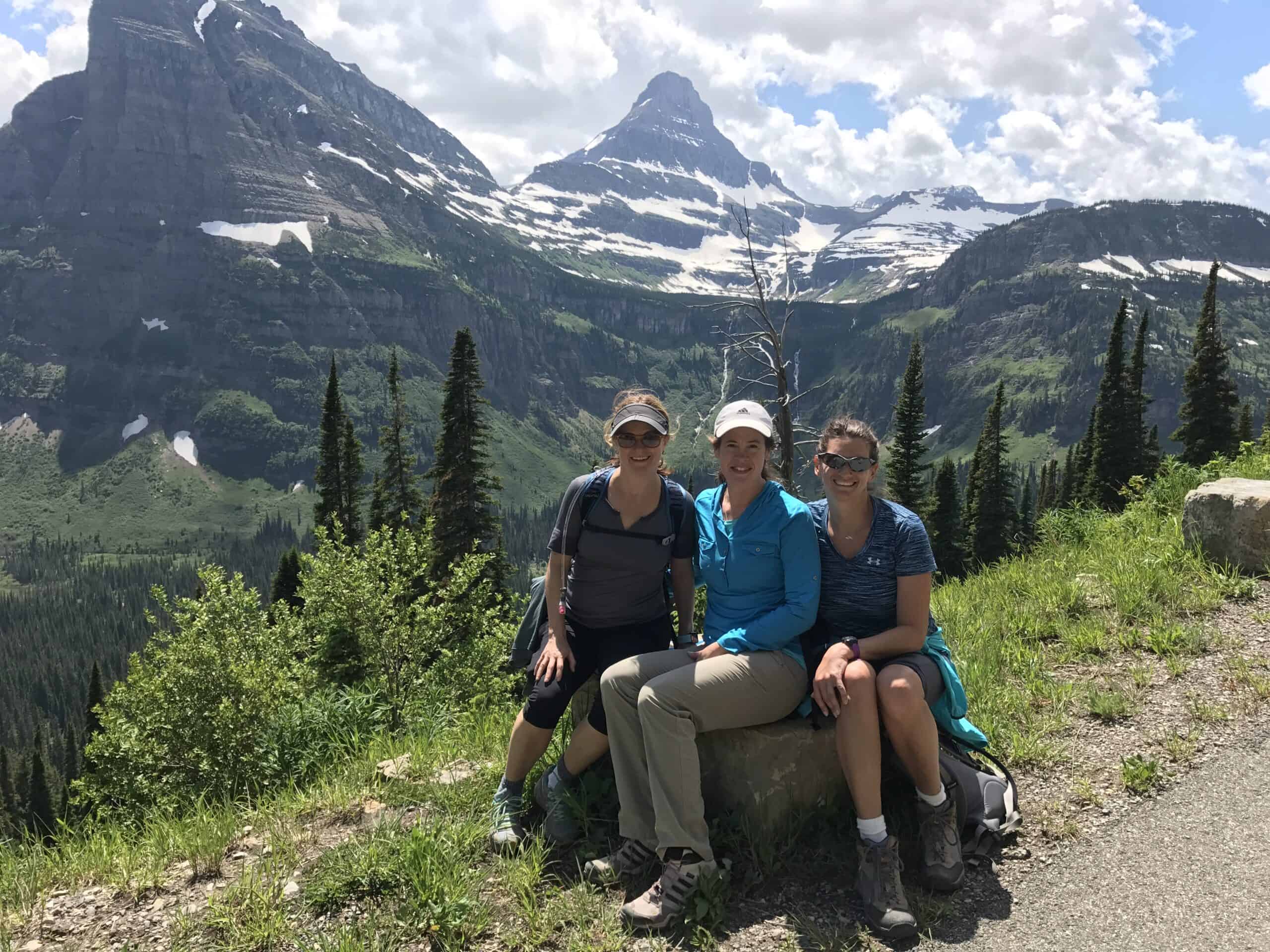
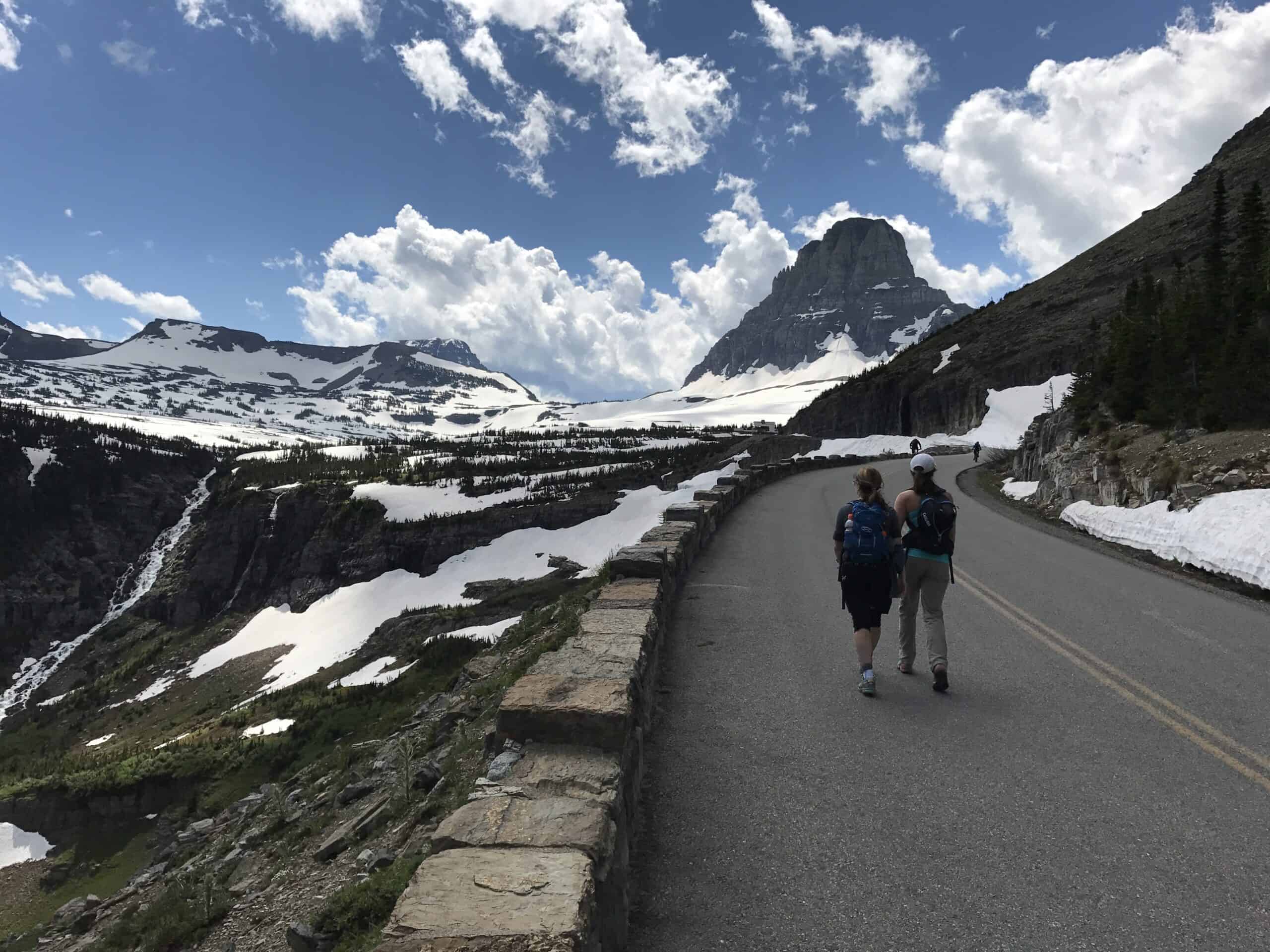
You are driving through the heart of the Rockies with turquoise lakes on one side, snow-capped peaks on the other, and waterfalls you can see from the road. The drive is usually completely open from late June through September (some sections open earlier, and Logan Pass is always the last section to open as snowplows make progress each spring), but it can vary. I was there in July one year, and the stretch of road to Logan Pass was still closed for snow!! It’s always worth checking the National Park Service website before you go for current conditions and reservation updates. And check out my weather guide to Glacier.
Spending too much time researching?
Set up a free call with a national park expert for recommendations that are actually personalized for you!
Should I drive the Going-to-the-Sun Road from West to East or East to West?
Most people drive from West Glacier to East Glacier because most people stay on the west side of the park. There are far more accommodation options on the west side, more restaurants, and more services. It also means there’s a lot more traffic driving West to East in the morning and back East to West in the evening.
I’m going to lay out stops West to East since that’s what most people do, but I’d honestly recommend staying on the East side and driving East to West for two reasons. One, less traffic, and two, the best and most dramatic scenery is on the east side. See my Where to Stay in Glacier Guide for the pros and cons of each side.
Since there are fewer places to stay on the East side, they book up quickly. If you can get a reservation, St. Mary Village is a great option for convenience. I’d describe it as more functional than luxurious, but the location is outstanding, and the rooms are clean and comfortable. Beyond that, I’d check out rental homes in Babb and East Glacier.
Check out other East Glacier rental homes and cabins
Starting at West Glacier
If you are starting in West Glacier, just a few miles in, you’ll reach Lake McDonald, the park’s largest lake and one of its most photogenic. It’s most famous for the colorful pebbles along the shoreline, which provide a postcard-worthy sight in the sunlight.
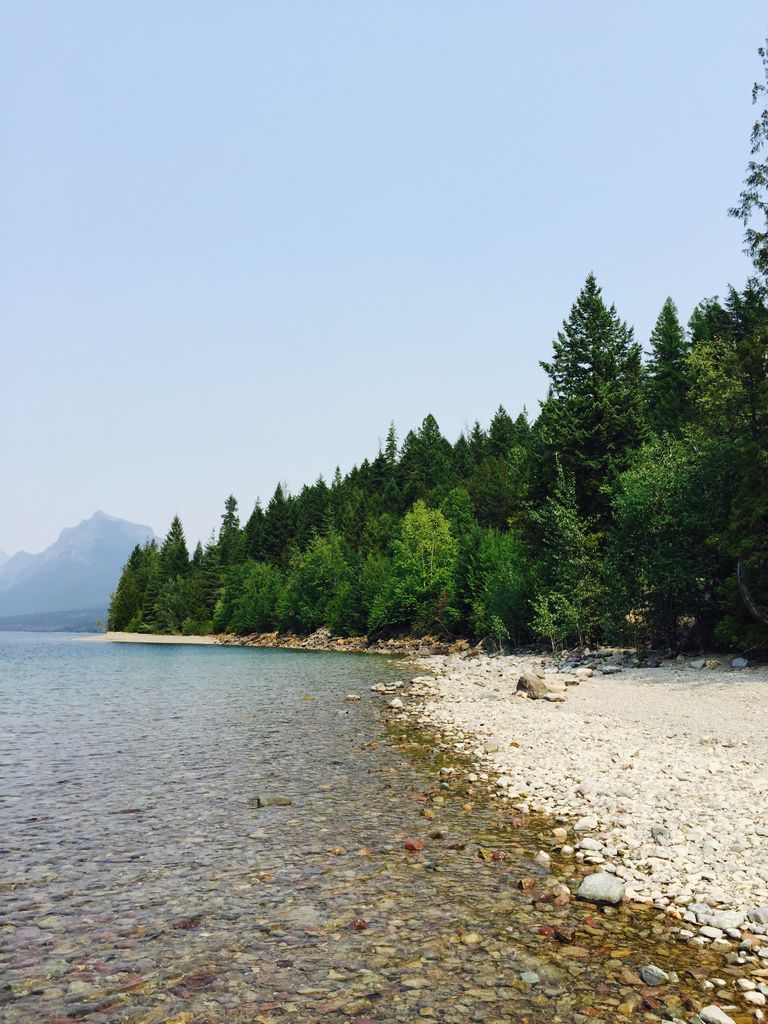
The road hugs the lake for several miles, curving past cedar forests and historic Lake McDonald Lodge, a charming 1913 log building. It’s a great place to stop for coffee, lunch, or a regional microbrew. You can also rent a kayak here or take a boat tour of the lake.
From Lake McDonald to Logan Pass
After Lake McDonald, the road begins to climb, winding through the forest before emerging into gorgeous mountain views. You’ll pass McDonald Falls, a small but powerful cascade visible right from the roadside, and then reach The Loop, the famous hairpin turn where the road doubles back on itself.
A few noteworthy stops include the Trail of Cedars & Avalanche Gorge (an easy 0.9 boardwalk stroll), Bird Woman’s Falls Overlook, Weeping Wall, and Oberlin Bend.
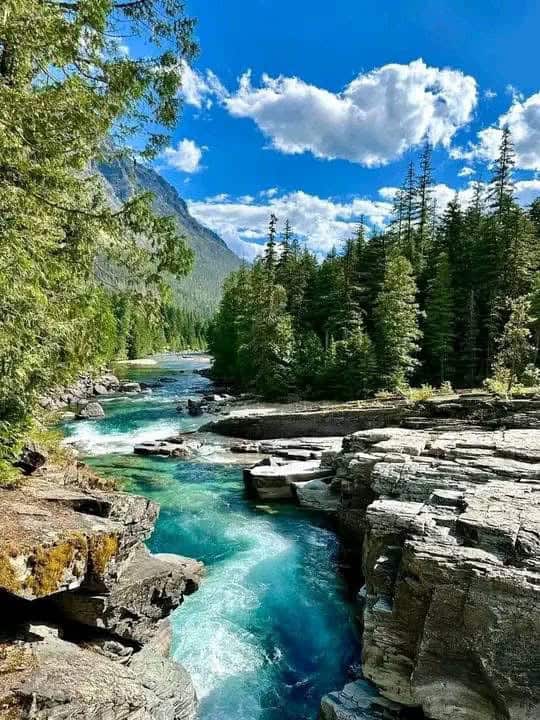
If it feels like there’s another amazing view at every turn, it’s because there is. Even in the middle of the summer, you’ll likely see snow-capped peaks.
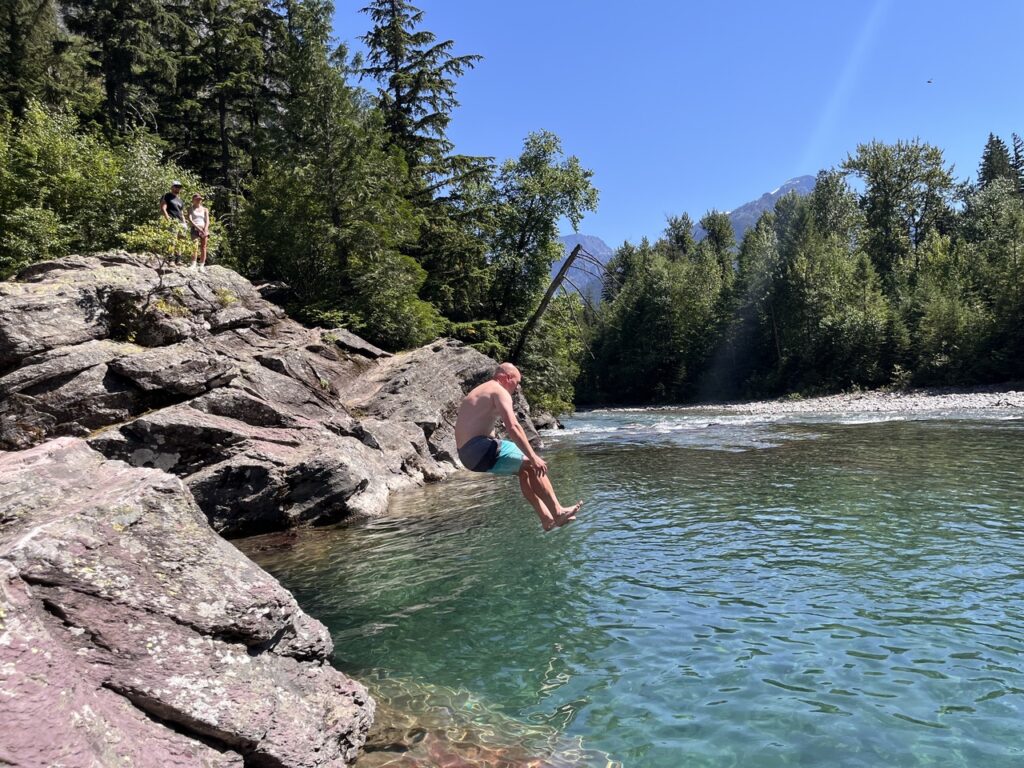
Logan Pass: The high point (literally)
At Logan Pass, you’ll cross the Continental Divide and find yourself at the highest point of the drive at 6,646 feet. It’s one of the most breathtaking spots in the park and one of the most popular.
In 2026, the park service implemented a new 3-hour parking restriction, which is strictly enforced. The good news is that there is turnover in the parking lot, and if you are patient, you can probably find a spot, but it does take some patience. Be prepared for the lot to be full and plan to circle until you find someone pulling out. If you want to hike for more than three hours, you will need to take a shuttle (tickets on Recreation.gov sell out quickly, but you can try your luck with standby).
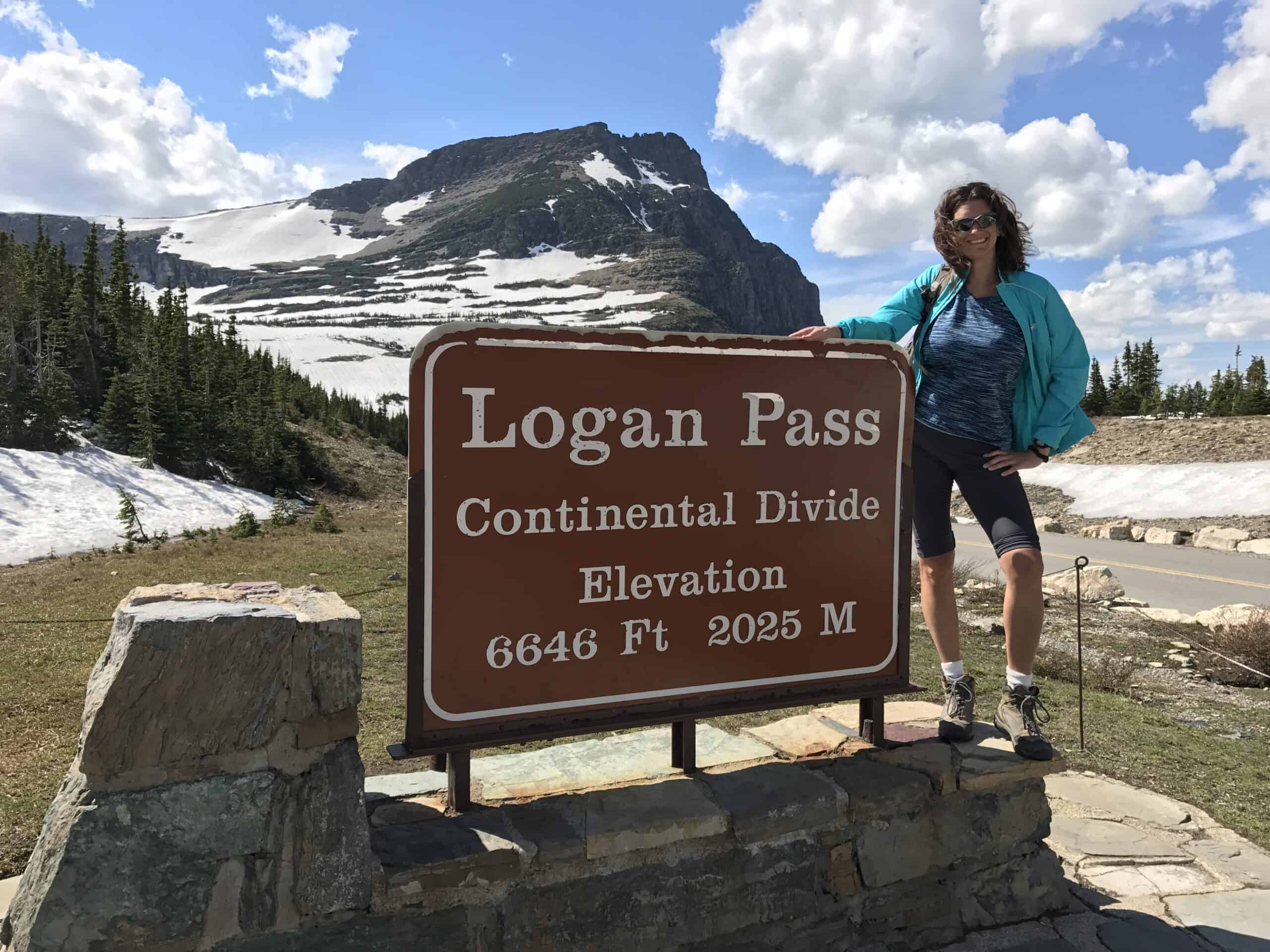
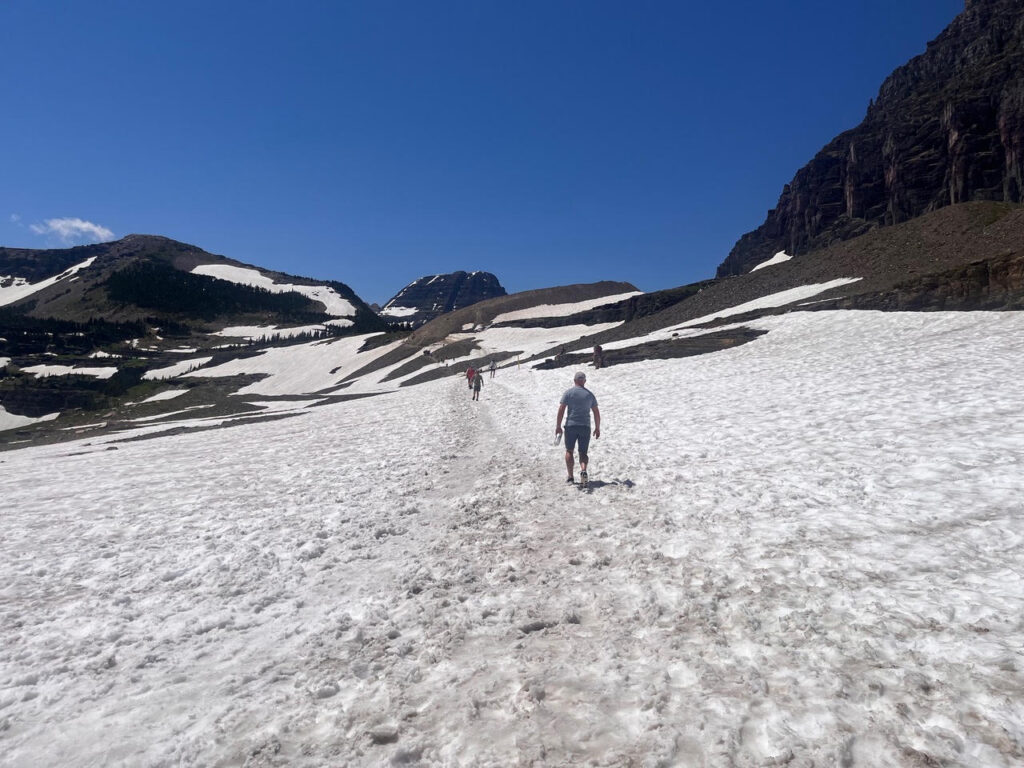
There are multiple options for hiking here. The Highline Trail is perhaps the most famous. It’s 11 miles one-way (so, probably not going to do the whole thing with your three-hour parking pass), but the good news is there are amazing views within the first mile or two. The Hidden Lake Overlook Trail is another popular option. Don’t be surprised if there’s still snow on the trail in July!
From Logan Pass toward St. Mary
As you leave Logan Pass and start descending toward the east side of the park, the scenery changes again as the mountains open up. Jackson Glacier Overlook is a great stop with some interesting information about how quickly the park’s glaciers are disappearing.
If you want to hike, St. Mary’s and Virginia Falls Hike is a great 3.4-mile waterfall hike. For an even shorter payoff, Sunrift Gorge is a very short walk to an 80-foot gorge. Sun Point can be a short hike or just an overlook.
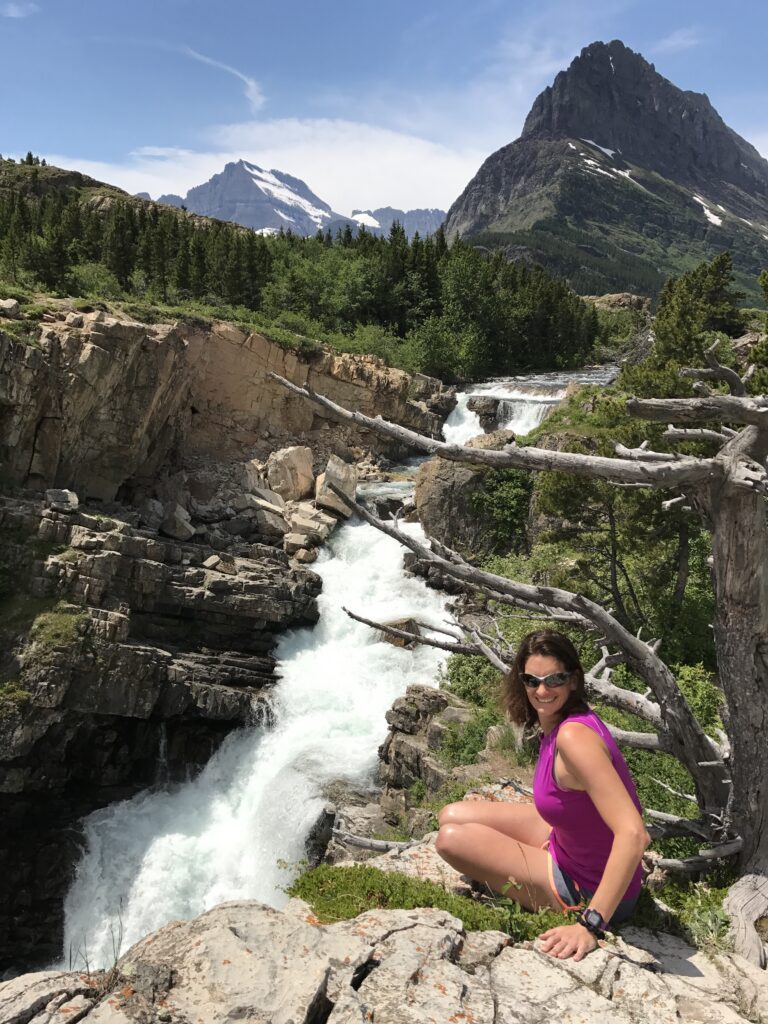
Drive the Going-to-the-Sun Road again at dusk or dawn for wildlife viewing
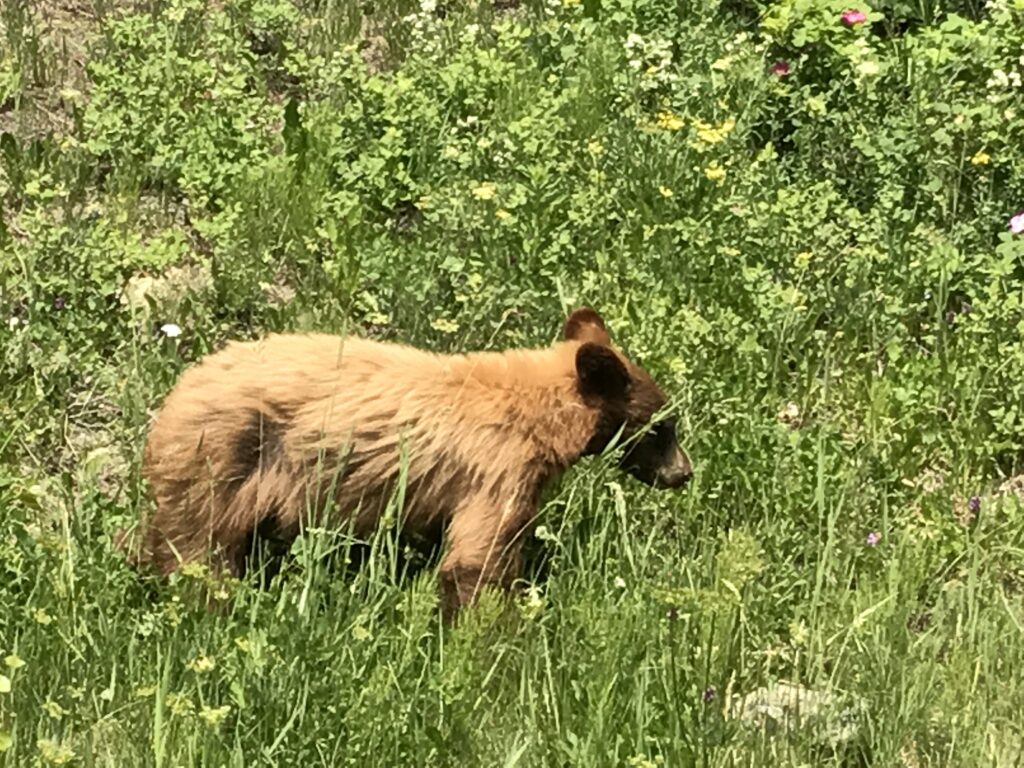
The Going-to-the-Sun Road is also a fantastic spot for spotting wildlife, like mountain goats, grizzly and black bears, elk, bighorn sheep, moose, and, if you’re really lucky, wolves. Dusk and dawn are the best times to find them, and you don’t have to be an expert animal spotter.
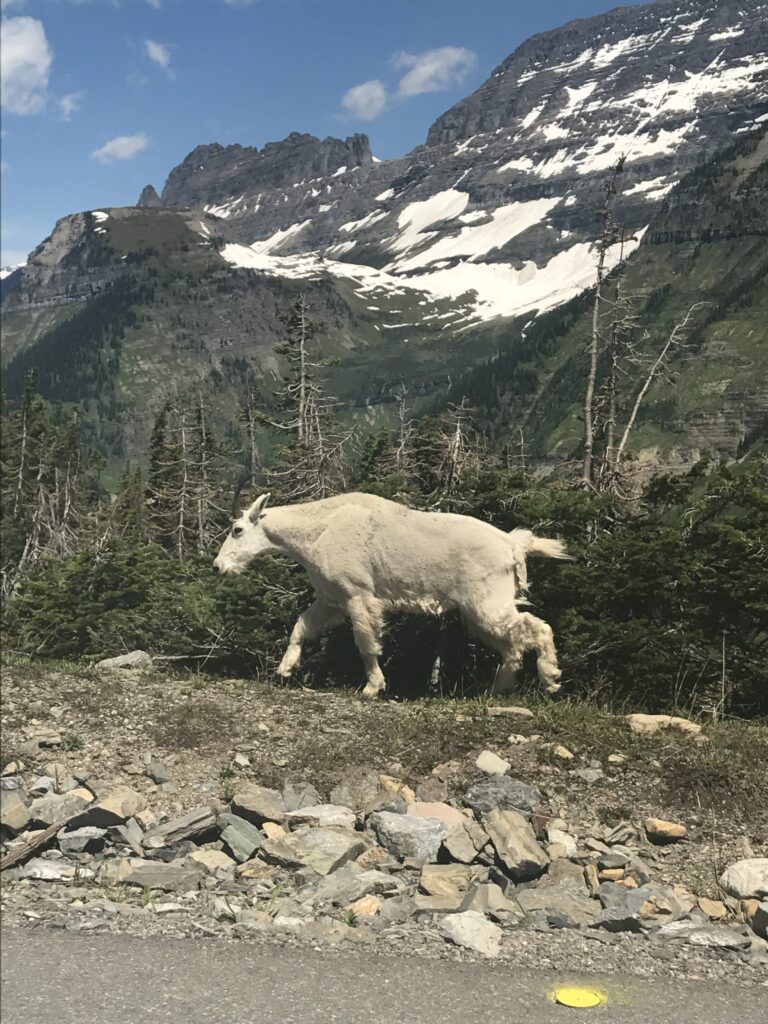
If you’re on the Going-to-the-Sun Road at dusk and you see lots of cars pulled over and people outside, chances are they’ve spotted something. I’ve seen multiple bears at dusk every time I’ve been there. Binoculars can be really helpful.
Many Glacier: Beyond the Going-to-the-Sun Road
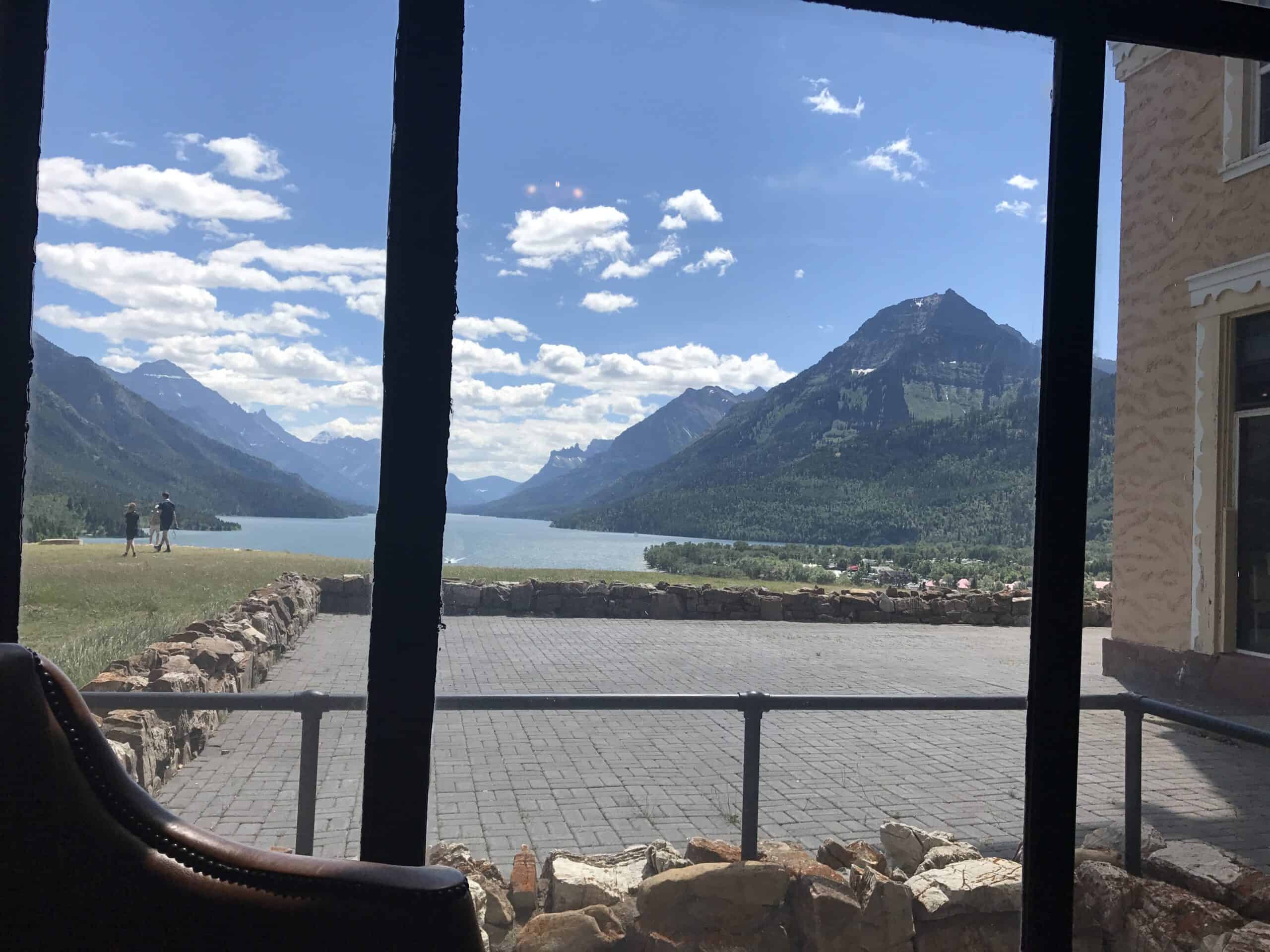
While the Going-to-the-Sun Road ends at St. Mary’s, Many Glacier is one of the most stunning areas of Glacier National Park. Hopefully, you are exploring this on another day as part of your 3-, 5-, or 7-day itinerary. If not, keep driving to at least enjoy a snack or drink from the Many Glacier Hotel. Or take a stroll around the Swiftcurrent Lake Nature Trail.
Tips for making the most of the drive
Even though it’s just over 50 miles, you’ll stop often, so plan for most of the day. Morning light is gorgeous, and you’ll beat some of the crowds at Logan Pass if you start earlier. Even in July, it can get chilly at higher elevations, so pack layers. There are lodges at either end of the drive, but not much in between, so bring snacks and water.
Large RVs and trailers aren’t allowed on certain sections due to tight turns and narrow lanes, so check vehicle restrictions. And be aware of the new parking restrictions at Logan Pass if you are planning to hike.
Why should you drive the Going-to-the-Sun Road?
Well, hopefully these pictures have convinced you. Yes, it can get crowded, but there are crowds for a reason. It’s absolutely stunning. And with smart planning, there are ways to avoid the crowds. This is truly one of the most beautiful places in America, if not the world. And as the name implies, it’s a road, not a hike. So, yes, there’s some effort to get here, but you don’t have to be a marathoner or even close to it to enjoy these views. It should be on everyone’s bucket list.
Planning your Glacier trip
Glacier isn’t the easiest place to get to, and figuring out where to stay and how to navigate such a huge park can be overwhelming, but it’s 1000% worth it. Keep in mind, reservations to drive the Going-to-the-Sun Road were required for years, but won’t be in 2026. The rules are always changing, so make sure you do some homework before you go.
If you are going in peak season, accommodations in the park, as well as St. Mary’s and the more reasonably priced options in West Glacier, book up quickly. Last-minute trips are certainly possible, but you’ll likely be staying further from the park or paying more.
Common Mistakes to Avoid
Here are the mistakes I see travelers make when planning to drive the Going-to-the-Sun Road.
1. Not Checking the Road Status Before You Go
The road does not have a set opening date. It depends on snowfall and plowing operations. Some years it opens in mid-June. Other years, it is late July. Always check the NPS website for current road conditions before you drive hours to get there.
2. Not Bringing Enough Layers
Logan Pass sits at 6,646 feet. It can be 40 degrees at the top, even when it is 70 degrees at Lake McDonald. Pack a jacket, hat, and gloves even in July.
3. Forgetting to Fill Up on Gas
There are no gas stations inside Glacier National Park. Fill up in West Glacier or St. Mary before you enter. Running out of gas on a mountain road is not fun.
4. Trying to Drive an Oversized Vehicle
Vehicles longer than 21 feet or wider than 8 feet are prohibited on parts of the road. This includes most RVs and trucks with trailers. Check vehicle restrictions before you go or plan to take the free shuttle.
5. Not Packing Food and Water
There are no restaurants or stores between Lake McDonald and Rising Sun Motor Inn. That is a 33-mile stretch. Bring snacks, water, and lunch. You do not want hangry kids at Logan Pass.
6. Driving Too Fast or Not Pulling Over for Photos
The speed limit is 25 mph in alpine sections for a reason. The road is narrow with tight curves. Drive slowly. Use pullouts. Do not stop in the middle of the road for photos (yes, people do this).
FAQ: Your Questions Answered
How long does it take to drive the Going-to-the-Sun Road?
Without stops, it takes about 2 hours to drive the full 50 miles. But you will want to stop. Plan for 4-5 hours if you want to enjoy pullouts, take photos, and do a short hike or two.
Do I need a reservation to drive the Going-to-the-Sun Road in 2026?
No. Glacier is not requiring vehicle reservations for 2026. This is a change from previous years. You only need a park entrance pass. But rules change, so always check the NPS website before your trip.
Is the Going-to-the-Sun Road scary to drive?
It depends on your comfort with heights and narrow mountain roads. The road has guardrails in most places, but there are steep drop-offs. If you are nervous, drive east to west (St. Mary to West Glacier). You will be driving the inside lane next to the mountain for the scariest parts.
When does the Going-to-the-Sun Road open?
The full road typically opens in late June or early July and closes in mid-October. Some sections stay open year-round. The opening date varies based on snow and plowing progress. Check the NPS road status page for current updates.
What is the best direction to drive the Going-to-the-Sun Road?
Most people drive west to east (West Glacier to St. Mary) because they are staying on the West side and some of the scenic overlooks are easier to access. But if you are afraid of heights or want to avoid the heaviest traffic, drive east to west. You will be driving the inside lane away from the cliff edges.
Can you see glaciers from the Going-to-the-Sun Road?
Yes. Jackson Glacier is visible from Jackson Glacier Overlook on the east side of Logan Pass. You can also see remnants of other glaciers from various pullouts. Bring binoculars for a better view.
Are there bathrooms and water along the Going-to-the-Sun Road?
Yes. There are visitor centers with restrooms and water at Apgar, Logan Pass, and St. Mary. But there are no facilities between Lake McDonald and Rising Sun Motor Inn. Plan your stops.
Can I drive the Going-to-the-Sun Road in an RV or with a trailer?
No. Vehicles longer than 21 feet (including bumpers) or wider than 8 feet (including mirrors) are prohibited between Avalanche Campground and Rising Sun. Park your RV and take the free shuttle or book a Red Bus tour.
What wildlife can I see on the Going-to-the-Sun Road?
Mountain goats, bighorn sheep, black bears, grizzly bears, elk, and deer are all common sightings. Dusk and dawn are the best times for wildlife. Bring binoculars. Never approach wildlife.
Is there cell phone service on the Going-to-the-Sun Road?
Cell service is very spotty or nonexistent for most of the drive. Download offline maps before you enter the park. Have your vehicle reservation and park pass saved offline.
Can I drive the Going-to-the-Sun Road at night?
Yes. The road is open 24 hours. But it is not recommended. Visibility is low, curves are sharp, and wildlife is more active at night. If you must drive at night, go very slowly and watch for animals on the road.
Where should I stop for the best photos?
Must-stop pullouts include Wild Goose Island Overlook, Jackson Glacier Overlook, The Loop, Weeping Wall, and Logan Pass. Start early to avoid crowds at these spots.
Make Glacier National Park planning Simple
Glacier National Park is huge, and navigating the logistics of where to stay and how to avoid the crowds can be overwhelming. This blog helps, but let’s be honest, it’s generic advice, and everyone likes different things. I can create a custom, day-by-day itinerary designed for your pace and activity level.
Don’t have time to plan?
I can handle the logistics for you. DIY travel without DIY research. Set up a free consultation.
This post contains affiliate links. If you book through these links, I may earn a small commission at no extra cost to you.