Passes, permits, and reservations. Are they the same thing? Do I need a national park reservation or permit? Can I buy one when I get there?
These are common questions, and the terms often get confused. I often get asked if buying a park pass is enough to enter a national park. The short answer? Not always. While your park pass or entrance fee covers admission, some of the most popular parks also require separate reservations or permits to manage crowds and protect the environment.
Entrance fees vs. national park passes
Most national parks charge an entrance fee ranging from $20–$35 per vehicle, which typically covers up to seven consecutive days. If you’re visiting multiple parks in a year, the America the Beautiful Pass is a great value. It’s currently $80 and provides unlimited access to all U.S. national parks and federal lands for a full year. Park passes can be purchased in advance or the entrance to any national park that requires a fee.
Entrance fees can always be paid upon arrival, although it can save you a bit of time to purchase in advance. However, these fees only pay your entry to the park. They do not guarantee access to popular drives, trails, or timed-entry areas that may require additional reservations.
Spending too much time reading blogs?
Set up a free call with a national park expert for recommendations that are actually personalized for you!
When reservations are required
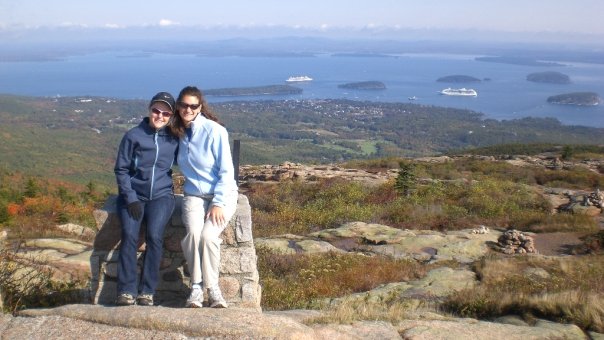
Some of the busiest and most popular parks now require timed-entry reservations to enter the park during peak season. For some parks, like Yosemite, Glacier, Rocky Mountain, and Arches this means that you cannot even enter the park without a reservation during certain times. For other parks, you need reservations for certain sections of the park, such as Cadillac Mountain in Acadia.
The reservation system is designed to reduce overcrowding. It’s a great thing if get a reservation and the crowds are more manageable, but it’s not so great if you don’t get a reservation. And what makes it challenging is that every park has different rules about how and when you get a reservation.
Most parks release the majority of the reservations 30, 60, or 90 days in advance and another portion a few days in advance. Reservations need to be purchased on Recreation.gov and usually only cost a few dollars. You have to know the process for the park you are going to in advance, and the process can change year-to-year.
For some parks, the reservations can sell out in minutes. If you are going to a popular park in peak season, I’d highly recommend being online the minute the reservations are going to be released (already logged into your Recreation.gov account).
Do I always need a reservation at the popular parks?
For most parks, it’s only during peak hours and during peak season, but again, the rules vary from park-to-park. Always check the definition of peak season for each park.
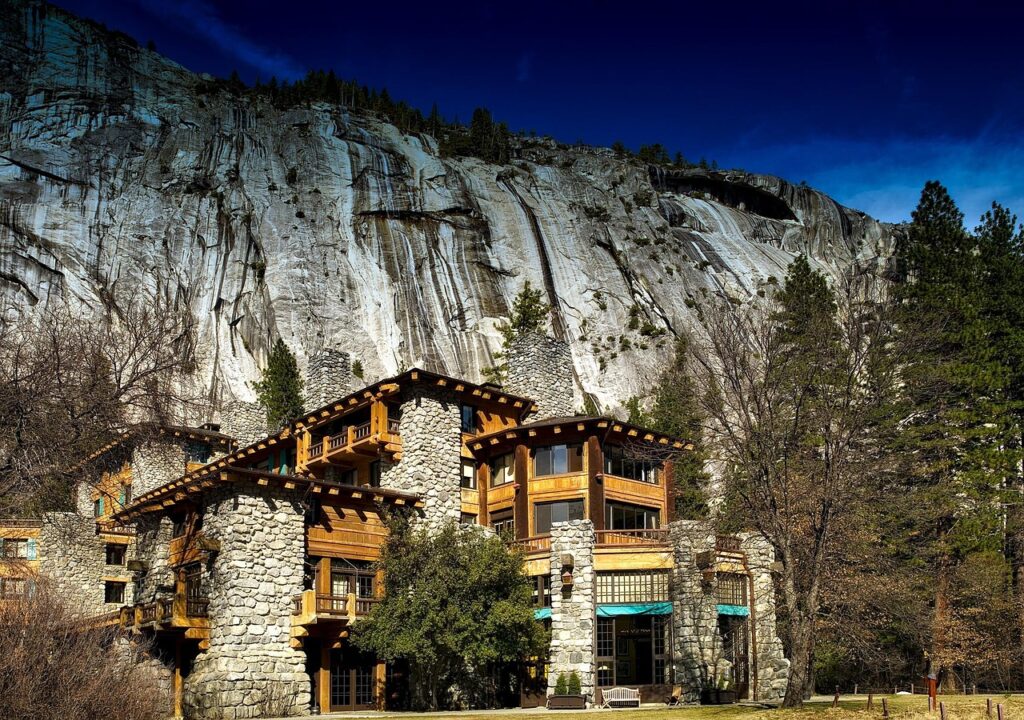
You do not need a park reservation if you have lodging reservations inside the park. You simply need to show your lodging reservation. But depending on the park, lodging reservations can sell out quicker than park reservations.
What if I don’t get a reservation?
There are some workarounds.
- Book accommodation in the park. Even if it appears sold out, keep checking as cancellations happen.
2. Wake up super early. Reservations are usually only required during certain hours. If you are willing to wake-up early, you can usually enter the park before 6 or 7 am and once you are inside the park, you don’t have to leave. You can also enter the park after a certain time in late afternoon, but this will obviously cut back on your time in the park.
3. Take a tour. Many guided tours and activities, like guided hikes, horseback riding, bus tours, etc. enable you to enter the park with your group, which includes both park entry fees and reservations.
If you are staying in the park, you don’t need a separate park reservation
Does a reservation guarantee I can drive through the entire park?
Once again, the answer is it depend on the park, but not necessarily. Even with the reservation system, popular parks are still crowded in peak season. Many parks offer optional shuttles so visitors can get around the park without the hassle of driving and looking for parking.
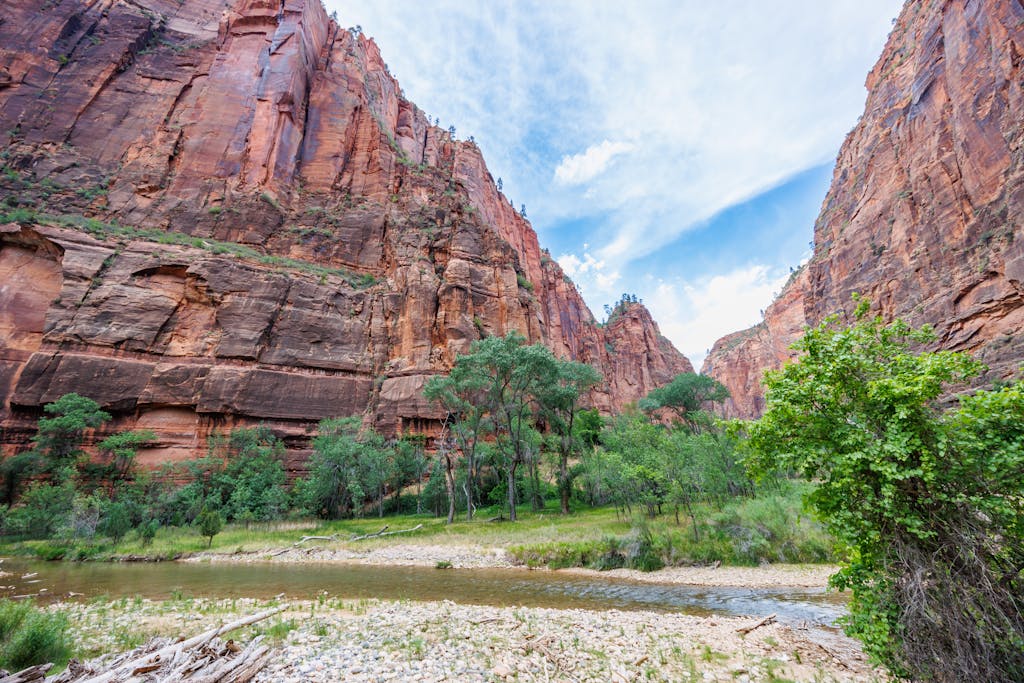
In some parks, such as Zion National Park and Denali National Park, private vehicles aren’t allowed on the main scenic drives through most of the year, so you are required to take the shuttle to many of the popular sites.
Is a permit different from a reservation?
Many people use the words reservations and permits interchangeably, but they are different. Reservations are typically needed to access all or part of a park, whereas a permit is for a specific activity. Certain popular hiking trails, like Angels Landing in Zion and Half-Dome in Yosemite require permits to reduce trail overcrowding.
Like park reservations, permit systems vary from park-to-park and year-to-year. Some are lotteries, some are first-come-first-serve (and sell out within minutes), and some are released in rolling windows, usually 30–90 days in advance. The fees for these reservations also tend to be nominal, but they are in addition to your park entrance fee. For most travelers, the prohibitive part is knowing what you need and when to get it, not the actual cost. And in the case of lotteries, you also need some luck.
The bottom line – planning can be overwhelming
Park passes pay your entrance fee at the gate, but in many cases, you’ll also need a reservation to get into the park or a permit for certain hikes and activities. This is most often true during summer in the most popular parks. Every park has its own system, and the rules can change from year to year, so it can be confusing and overwhelming.
I once checked into a hotel at Yosemite behind a woman who had no idea reservations were required and of course, they were sold out because it was Yosemite in August. Her only choice was last minute tours that still had availability.
If this all sounds like too much to deal with, don’t give up on a national park trip. Just call me and let me handle all the details for you.
Ready for a stress-free vacation?
Set up a free consultation or tell us about your trip to get a quote.