Every January, we make the same list. Lose weight. Stress less. Reconnect with the family. And usually, by February, those promises are forgotten.
But what if one single decision could check every one of those boxes at once?
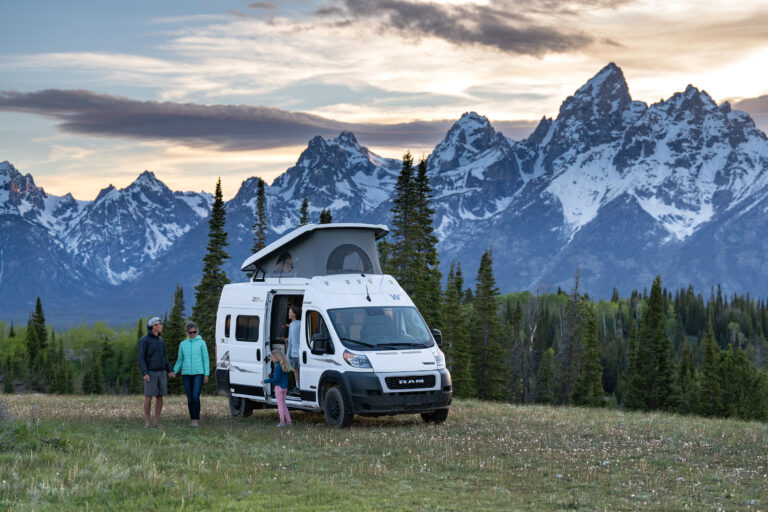
You don’t need another gym membership or a self-help book. You need a National Park trip. Choosing outdoor travel as your goal brings together fresh air, physical activity, and family connection in a way that a treadmill never could.
Here is why swapping your daily routine for a trail is the best investment you can make this year.
Nature improves your physical and mental health
The research is clear. Spending time outdoors improves both body and mind.
National parks naturally encourage you to move. This doesn’t mean you have to do 10-mile hikes or scale mountains. Even strolling between overlooks, taking an easy scenic trail, or a leisurely paddle across a lake gets you moving. Time in nature increases physical activity, which helps with heart health, weight management, stronger bones, and even immune support. You get to see amazing landscapes while getting some steps in.
Fresh air itself matters too. Let’s face it—we all spend too much time behind screens and on devices. Outdoor air is good for everyone. As my teenager would say, let’s “touch grass” and reconnect with nature. Our kids need a break from screens as much as we do.
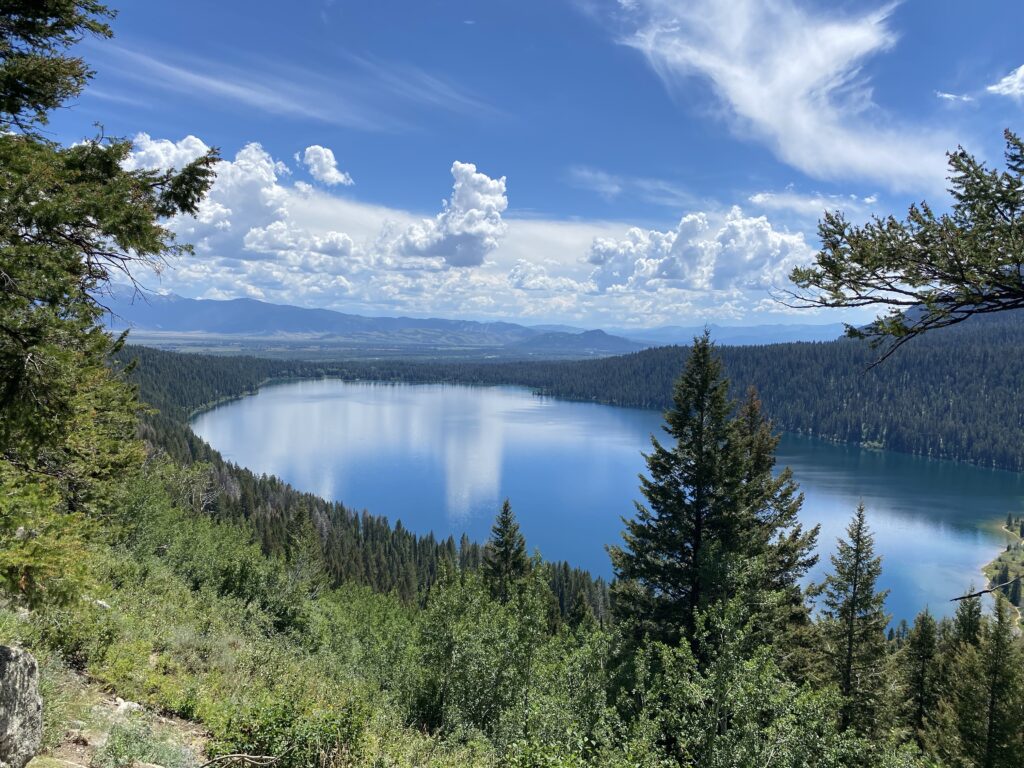
Studies show that just 20 minutes in nature can lower cortisol (a stress hormone), reduce anxiety, and improve your mood and sense of well-being. So imagine what an entire vacation can do. National park travel isn’t just good for your physical health. It’s great for your mental health too. And who doesn’t need a little mental health boost?
Spending too much time reading blogs?
Set up a free call with a national park expert for recommendations that are actually personalized for you!
Travel helps you break routine and reconnect
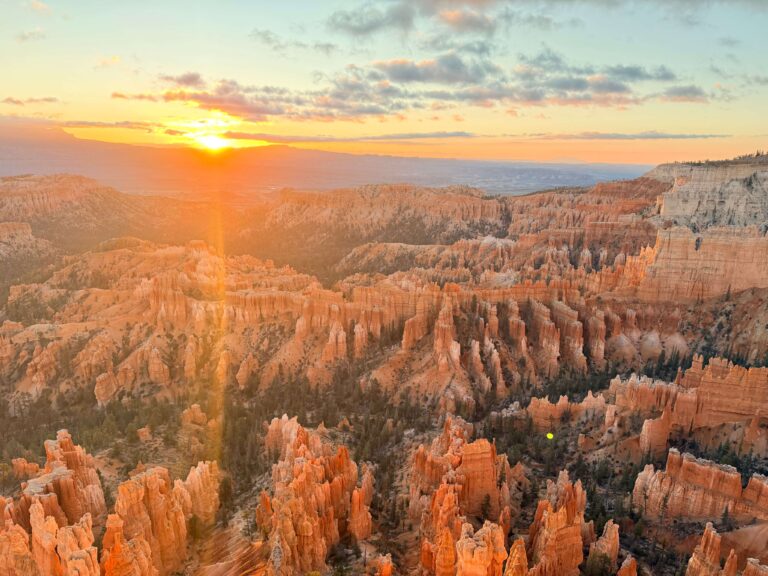
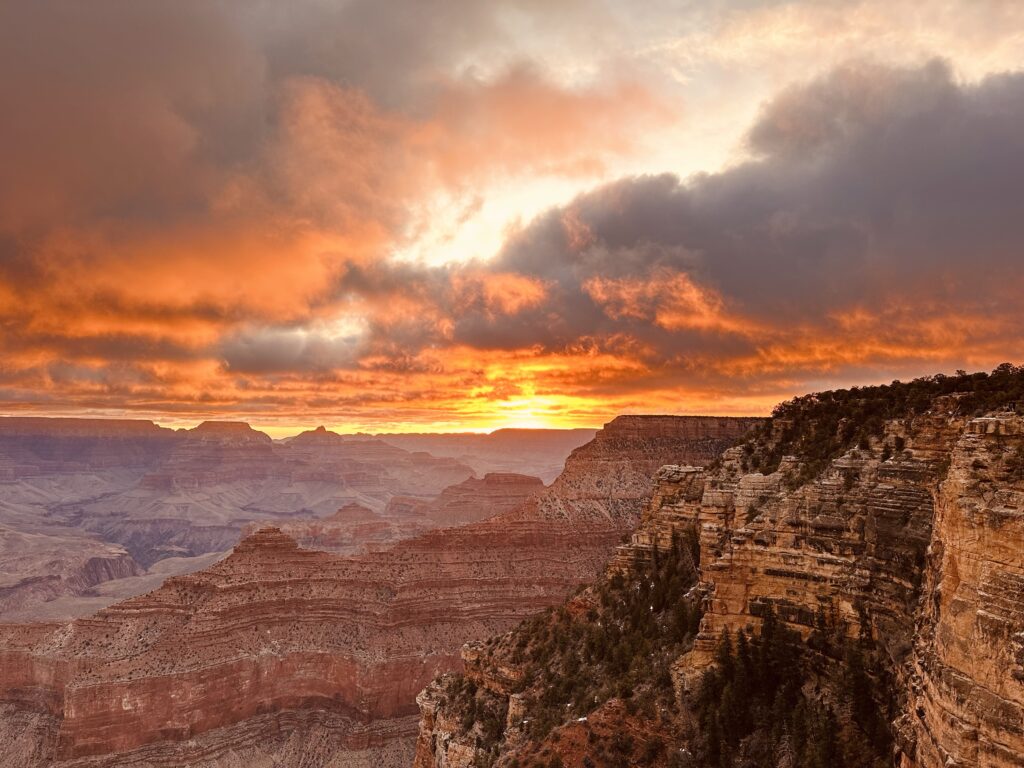
Modern life is fast. Screens, work, errands, and schedules can make our days blur together. That’s where travel can be such a powerful mental reset. National park trips take you into landscapes that feel timeless, calming, and awe-inspiring. Being outdoors and exploring new places not only lifts your spirits but also helps reduce burnout. Even a brief time outdoors, walking a trail, watching a sunset on a canyon rim, or listening to a waterfall can lower stress.
National parks are for everyone
National park trips aren’t just for hardcore hikers, and they don’t have to be expensive either. There are 63 national parks in the U.S., which means no matter where you are, there’s one within driving distance. Walking and many other park activities are free, and there’s usually a range of hotel and camping accommodations for every budget.
You don’t have to summit peaks or hike miles to benefit. Short nature walks, ranger-led programs, wildlife spotting, lake swims, or even picnic moments are all great ways to experience a park. There’s something for every interest and activity level, whether you are a busy professional, a family with young kids, or a solo traveler.
Why now is the perfect time to commit
If your 2026 resolution is about stepping into healthier, happier habits, national park travel is the fun way to do it. It’s all about:
- Getting more natural movement in stunning settings
- Breathing fresh air far from the everyday grind
- Lowering stress and improving mood
- Building shared memories with loved ones (or by yourself)
- Expanding your worldview through experience
“Exercising more, reducing stress, and spending more quality time with loved ones. There’s one resolution that checks all those boxes and more: national park travel..”
Common Mistakes People Make With Travel Resolutions
Here are the mistakes people make when setting travel as a New Year’s resolution that keep them from actually going.
1. Making It Too Vague
“I want to travel more” is not a resolution. It is a wish. A real resolution is “I will visit Zion National Park in May 2026.” Pick a specific park. Pick specific dates. Book it.
2. Waiting for the Perfect Time
There is no perfect time. There will always be work or a reason to wait. Pick a date now and commit. The perfect time is the time you make it happen.
3. Not Budgeting for Travel
If travel is not in your budget, it will not happen. Create a dedicated travel savings category. Even $50-100 per month adds up. In 6 months, you have $300-600 for hotels or flights.
4. Thinking You Need a Lot of Time
You do not need two weeks to visit a national park. A long weekend can work, especially if you choose one within driving distance or a short flight. Three days in Zion or Glacier can be amazing. There are great East Coast options too, like Acadia and the Great Smokies. Stop waiting for a big vacation. Take small trips.
5. Waiting Until You Are in Shape
You do not need to be a marathon runner to enjoy national parks. There are easy trails, scenic drives, and activities for every fitness level. Go now. You will get exercise by being there.
6. Not Asking for Help Planning
Planning overwhelms you, so you never book anything. Hire a travel planner. They handle the logistics. You show up. Problem solved.
FAQ: Your Questions Answered
How do I actually stick to a travel resolution?
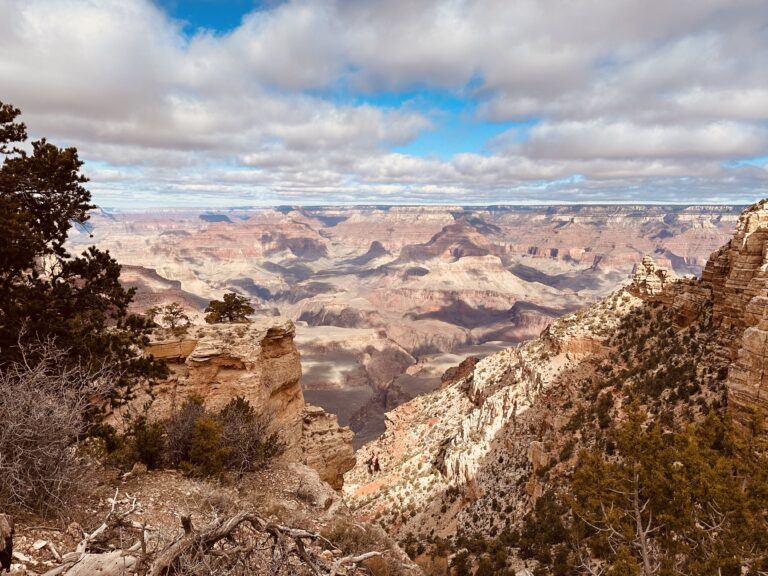
Make it specific and book it now. Do not say “travel more.” Say “I will visit the Grand Canyon in April 2026.” Then book your hotel and flights. Once money is spent and dates are on the calendar, you will follow through.
How much money do I need to save for a national park trip?
A week-long national park trip for a family of four might cost $2,500-$6,000, depending on lodging, activities, and flights. Budget travelers can do it for far less by camping, driving, or staying at more budget-friendly hotels a bit further away. Start saving a little every month, even $50-100 a month, and you will have enough before you know it.
What if I do not have time off work?
Start with long weekends. Many national parks are amazing in 3 days. Zion, Arches, Grand Canyon, and Great Smoky Mountains can all be done in a long weekend. Take a Friday or Monday off and go.
Can I visit a national park if I am not in great shape?
Yes. Every park has easy walks, scenic drives, and activities that do not require serious hiking. You do not need to be fit to enjoy national parks. Move at your own pace.
How do I choose which national park to visit first?
Pick the one closest to you or the one you have always wanted to see. Do not overthink it. Any national park is better than no national park. Start somewhere. Go from there.
Is traveling to a national park expensive?
It can be budget-friendly or luxurious depending on your choices. Camping is cheap. Driving to a park closer to where you live saves on flights and a rental car. Staying in gateway towns saves money. Cooking your own meals cuts costs. Or splurge on lodges and tours. You control the budget.
What if I have never planned a trip like this before?
Start simple. Pick a park within driving distance. Book a hotel for 2-3 nights. Choose 2-3 easy hikes or drives. Do not overcomplicate it. Or hire a travel planner to do it all for you.
How far in advance should I book a national park trip?
For peak season (June-August), book hotels 6-9 months in advance if you can. For shoulder season (April-May, September-October), 3-6 months is fine. If you want to be spontaneous, there are usually last-minute options, but they might be more limited.
Can I visit a national park with young kids?
Yes. National parks are great for kids. Pick parks with easy trails and short walks. Bring snacks. Plan for shorter days. Let kids explore at their own pace. Many families with toddlers and preschoolers love national parks.
What if I hate planning and logistics?
Hire a travel planner. They handle permits, reservations, hotel bookings, itineraries, and all the details. You just show up. It costs less than you think and saves you 20-40 hours of work.
How does national park travel improve health and wellness?
Fresh air lowers stress and cortisol levels. Walking and hiking increase physical activity. Nature improves mood and mental health. Time with family strengthens relationships. It is one resolution that checks multiple boxes at once.
What if my family has different fitness levels and interests?
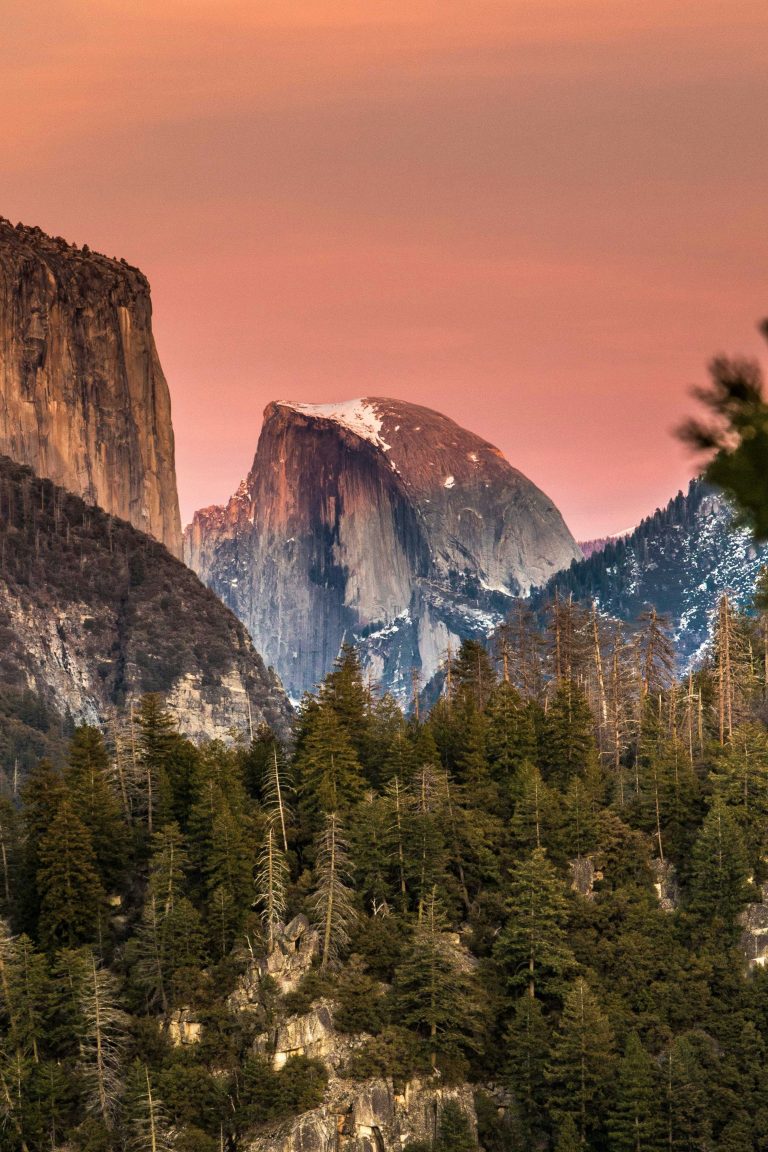
That’s what I love most about national parks. There is something for everyone. You can absolutely plan a trip that makes everyone happy. I plan trips like that all the time. Yellowstone, Yosemite, and most parks have scenic drives and amazing overlooks that don’t require hiking, as well as plenty of hiking options. And there are tons of non-hiking activities, like jeep tours, boat tours, kayaking, horseback riding, and so much more.
Your resolution doesn’t have to be perfect, but start somewhere
Whether you want a few weekends in nearby parks or a big family national park vacation this year, the important thing is to set a goal and get started. Small steps like choosing dates or bookmarking parks to visit move you toward a year filled with fresh air, adventure, and well-being.
So this January, instead of just saying “exercise more,” “stress less,” or “spend more time together,” — do all three in one resolution: plan your national park travel for the year. Your mind, body, and heart will thank you.
Let’s make your New Year’s resolution happen
Need ideas on where to go? I can help. Set up a free consultation, and let’s brainstorm!