You open your laptop, expecting to plan a fun family vacation. Three hours later, you have 20 tabs open, a headache, and more questions than when you started.
It should be easy. Go to the website, book a hotel, and pick a trail.
But the reality of modern National Park travel is a maze of park shuttle systems, difficult-to-book in-park lodging, lottery systems for certain hikes, and contradictory advice.
If you feel overwhelmed, you aren’t crazy. You are just dealing with a system that has become incredibly complex. Here is why it’s not just you and what to do about it.
Spending too much trip planning?
Set up a free call with a national park expert for recommendations that are actually personalized for you!
Official park info is limited
One frustrating surprise is the narrow focus of official park websites. National Park Service (NPS) pages have maps and trail descriptions inside the park, but they often gloss over practical details outside the gates. In other words, the official park site might tell you a town has lodging, but you’re on your own to sort through TripAdvisor or Google to find the right spot. This narrow focus means you end up bouncing between the park’s strictly-boundary websites and outside tourism pages and blogs. Even seasoned park-goers agree: half the battle is figuring out what’s just outside the park (towns, restaurants, off-site tours) and weaving that into your plan.
Ever-changing permits and reservations
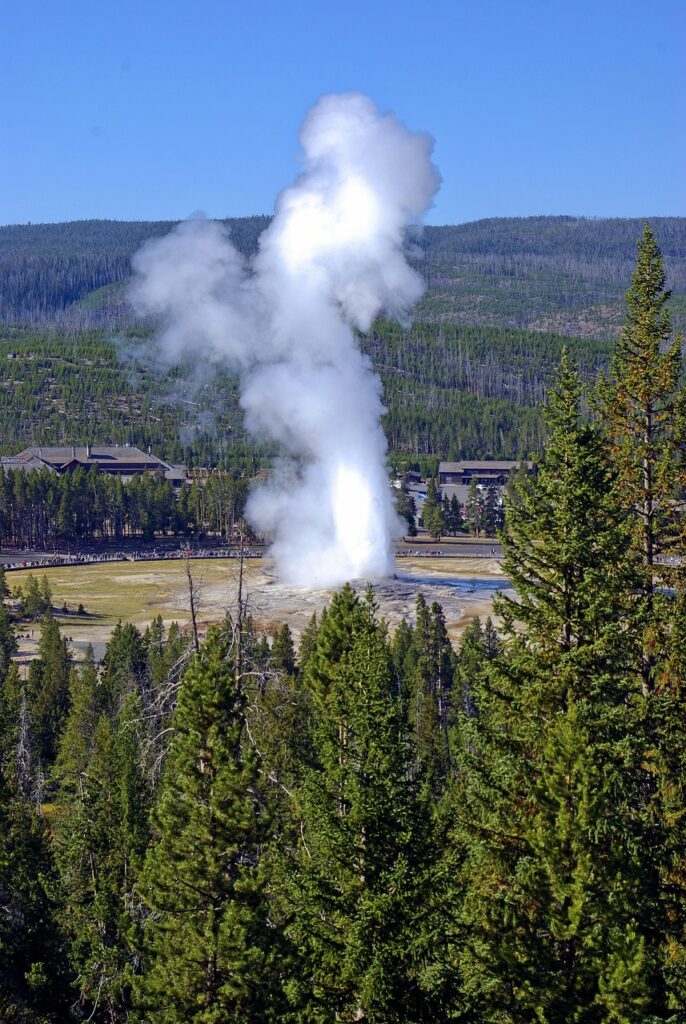
Many parks now require entry permits, timed tickets, or road reservations during peak season, and those requirements shift on short notice. For instance, Yosemite has repeatedly tweaked its reservation system on when you need permits and how far in advance you can get them. At Mount Rainier, its popular Paradise area permit was paused in 2025, but that could easily change in future years. In short, you can’t rely on old information. For travelers trying to plan months ahead, this moving target of lotteries and rolling reservation windows makes it tough to know when to lock things in.
Endless advice (often contradictory)
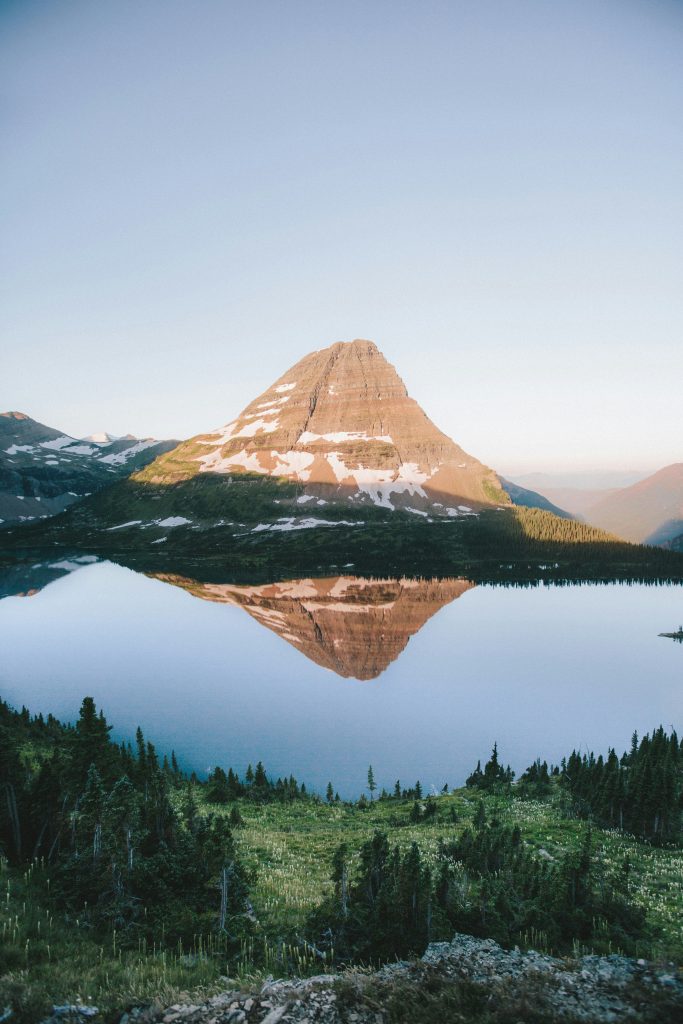
Just when you think you’ve got a handle on the logistics, you run into the sea of travel advice out there. There are dozens of national park blogs, tons of Reddit threads, and travel sites, each with their own “Top 10” lists and itineraries. Everyone seems to have a different spin: one blog might insist Glacier’s Grinnell Glacier hike is #1, another blog swears by driving the Going-to-the-Sun Road, and a forum answer might propose a camping-heavy trip, while a magazine suggests luxury lodges. You can end up spending what feels like forever reading free blogs, hotel reviews, and generic itineraries, and still wonder which advice actually fits you. All that contradictory advice can feel paralyzing: you’re torn between multiple “best things to do” lists and conflicting tips, making it hard to trust any single plan.
There is no one-size-fits-all “must-do.”
There is no universally perfect itinerary. What’s a life-changing hike or tour for one person can be utterly meh for another. For example, a photographer might dream of catching Yellowstone’s dawn light, while a family with kids might care more about easy boardwalks and picnics. A backcountry enthusiast may rave about backpacking the Needles District in Canyonlands, yet someone else might prefer a leisurely scenic drive there. In other words, your can’t-miss list should come from you.
Instead of chasing some blogger’s “best of,” figure out what you and your group care about (wildlife, waterfalls, history, photography, easy strolls, etc.). This might involve tough choices like skipping that popular hike to visit a lesser-known canyon if that sounds more fun to you. A great plan matches your style; otherwise, even an “iconic” spot can feel like a chore.
Seeking hidden gems
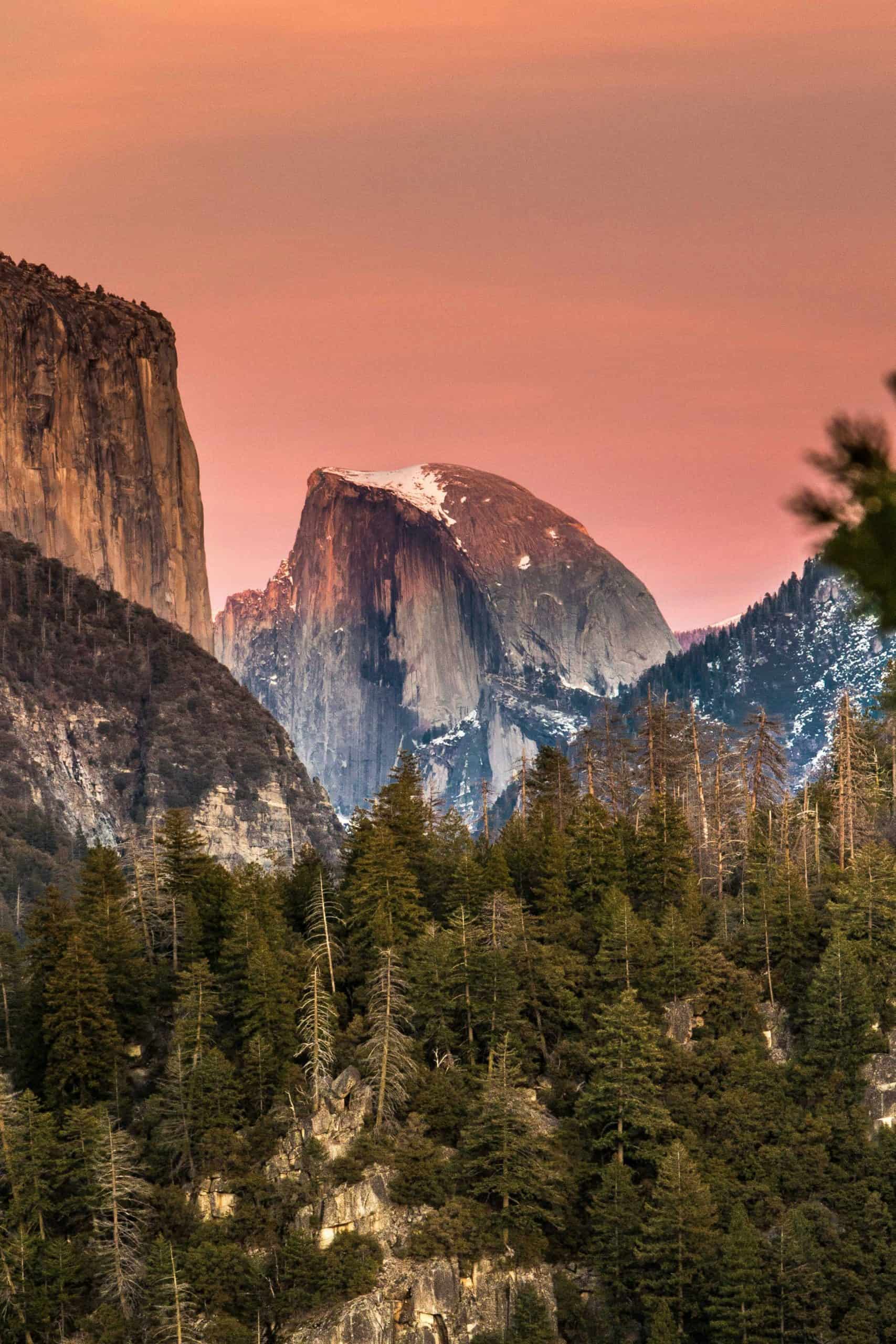
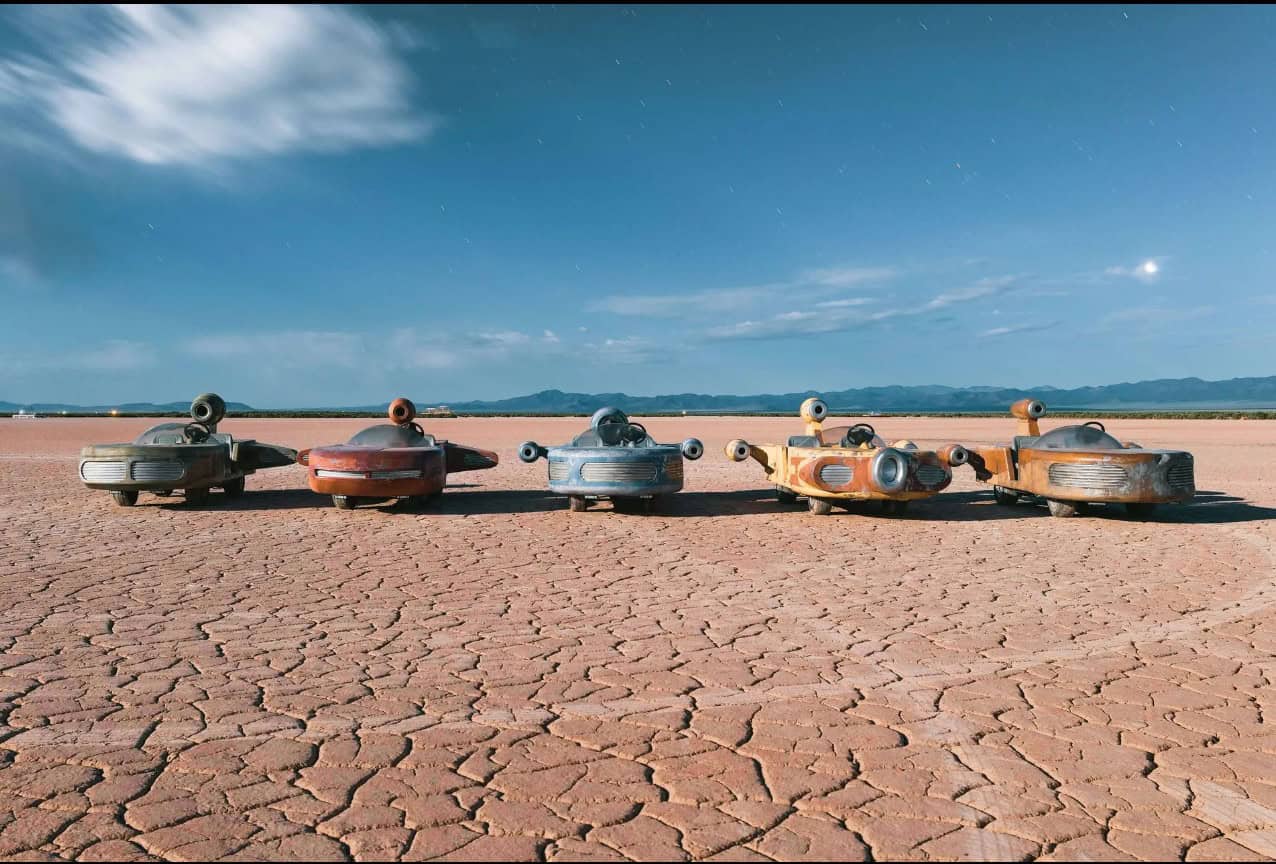
Part of the fun of park trips is uncovering secret local treats, but they are easy to miss. The best hidden experiences often won’t appear on mainstream guides. For example, did you know that outside of Big Sur, you can kayak right next to frolicking sea otters? Or how about a sci-fi–themed glamping camp in the desert? There’s actually a “Star Wars”-style desert camp not far from Zion, where you can actually drive a landspeeder.
“All that contradictory advice can feel paralyzing: you’re torn between multiple “best things to do” lists and conflicting tips.”
Or that you can walk on a glass bridge over the Grand Canyon, but it’s not in the touristy part of the Grand Canyon. These kinds of experiences are what make trips unforgettable. But you usually have to know exactly what to search for (and where) to find them. They won’t be listed on the NPS park map or a big travel site. Often, you only hear about them via word-of-mouth, local tourism newsletters, or a savvy travel planner who’s been there before.
Timing and alternatives outside the park
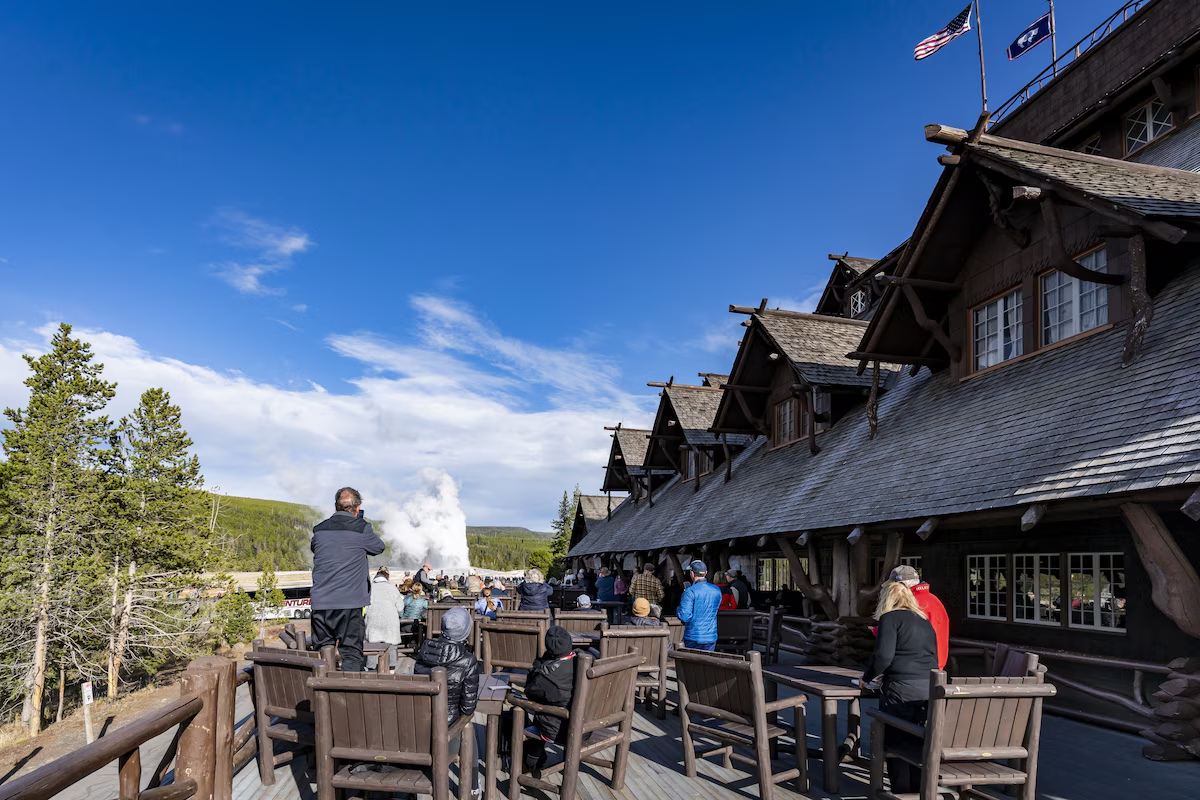
Another piece of the puzzle is timing. Many park lodges and campsites book up a year or more in advance, including iconic park hotels (like Yellowstone’s Old Faithful Inn or Glacier’s Many Glacier Hotel). Thankfully, beautiful lodges and inns exist just outside park boundaries, but you need to know how much driving time that adds to your trip, and it varies by park.
The key is knowing these nearby gems and booking them at the right time so you can balance the accommodations you want with the activities you want to do.
Piecing it all together
Even once you have your must-see sights and reservations, there’s the daily route to consider. Large parks can be geographically sprawling, and it’s surprisingly easy to waste hours backtracking. For example, Yellowstone’s Grand Loop Road is a 140-mile circuit – if you zigzag inefficiently, you could spend most of the day driving instead of exploring. A good plan strings together nearby highlights into a logical loop, minimizing repeat driving. It also accounts for logistics like meal stops, fuel, and rest breaks. In practice, that means grouping activities by area (see one valley today, a distant canyon tomorrow) and building in buffers for delays or unexpected detours.
In short, successful planning is about connections: linking your preferred activities with the right park entry, nearest lodging or camping spot, and the optimal time of day. Without that strategy, even an exciting list of hikes and viewpoints can feel disjointed. Creating that smooth, day-by-day plan takes thought and time-consuming planning.
Common Mistakes to Avoid
Here are the mistakes people make when planning national park trips that turn dream vacations into frustrating experiences.
1. Not Booking Far Enough in Advance
The most popular park lodges and campsites book up 12-13 months in advance. Hotels in gateway towns book up 6-9 months ahead for peak season. If you wait until 2 months before your trip, you may have to stay further away from the park.
2. Forgetting to Check Permit and Reservation Requirements
Not all parks require permits. But the ones that often sell out fast. Arches requires timed entry April through October. Angels Landing in Zion requires a permit lottery. Glacier used to require reservations but does not in 2026. Rules change yearly. Always check the NPS website before you go.
3. Planning Too Many Parks in Too Few Days
Trying to see Zion, Bryce, and Grand Canyon in 3 days sounds good on paper. In reality, you spend all your time driving and not much time enjoying. I generally recommend picking fewer parks. Stay longer. See more.
4. Ignoring the NPS App and Downloading Offline Maps
Cell service is spotty or nonexistent in most parks. Download the official NPS app before you go. Download offline maps in Google. Save your reservations and confirmations offline. Do not rely on cell service. Download trail maps in AllTrails.
5. Only Reading Generic Travel Blogs
Travel blogs are helpful. I am a travel blogger, and even I can recognize they aren’t enough. Everyone has different opinions on what the “best” is. There will always be conflicting advice. What the blogger likes to do isn’t necessarily what you and your family like. Their list of top 10 hikes is likely different from your top 10. It takes a lot of time to really sort out what’s right for you.
6. Underestimating How Much Time Planning Takes
Planning a national park trip is not like booking a beach resort. You need to research permits, reservations, lodging, trails, drive times, and more. Budget 20-40 hours of research time for a week-long trip. Or hire someone to do it for you.
FAQ: Your Questions Answered
How far in advance should I plan a national park trip?
For peak season (June-August), start planning 6-12 months in advance. Park lodges open reservations 13 months ahead. Popular campsites open 6 months ahead. The most popular hotels in gateway towns can sell out 6-9 months in advance in peak season. For off-season trips, 3-6 months is usually fine.
Do all national parks require reservations?
No. Most parks do not require entrance reservations. But some popular parks require timed entry permits during peak season. Arches requires reservations from April through October. Rocky Mountain requires them from late May through October. Check out my guide to park reservations, and always check the NPS website for your specific park. Remember, the rules can change every year.
What is the difference between park entry, timed entry, and permits?
Park entry is your general admission (usually $20 – 40 per vehicle, depending on the park or covered by America the Beautiful Pass). Timed entry is a reservation to enter during a specific time window (required at some parks during peak season). Permits are required for specific trails or activities, like Angels Landing or backcountry camping.
How do I find hidden gems and avoid tourist traps?
Read local tourism websites, not just big travel blogs. Join park-specific Facebook groups. Ask locals. Hire a travel planner who has actually been there. Hidden gems are rarely on the first page of Google.
Can I plan a national park trip without hiking?
Yes. Many parks have scenic drives, overlooks, easy walks, jeep tours, boat tours, and other activities that do not require serious hiking. Glacier, Zion, Grand Canyon, Yellowstone, and Bryce all offer amazing experiences without hiking boots.
What if I do not have time to plan everything myself?
Hire a travel planner. They do the research, create custom itineraries, and handle all the logistics. You just show up. It costs less than you think and saves you 20-40 hours of work.
How do I know which parks are best for my family?
It depends on your interests and abilities. Do you want easy walks or challenging hikes? Wildlife or waterfalls? Desert or mountains? Are you traveling with young kids, teenagers, or elderly parents? A good travel planner can help match parks to your specific needs.
What happens if roads or trails close during my trip?
Always have backup plans. Roads close for weather or construction. Trails close for wildlife or safety. Check the NPS website and app for current conditions. Have 2-3 alternative activities for each day.
Should I book a guided tour or explore on my own?
It depends. Guided tours are great for learning park history and accessing areas you cannot reach on your own. A week-long guided tour is very scheduled and structured. DIY travel gives you freedom but requires more planning. Many families do a mix of guided day trips and exploring on their own.
How do I avoid crowds at popular national parks?
Visit during shoulder season (April-May or September-October). Arrive at popular spots before 9 AM or after 4 PM. Hike less popular trails. Visit on weekdays instead of weekends. Or visit less crowded parks, like Capitol Reef or North Cascades.
Do I need an America the Beautiful Pass?
If you visit 3 or more national parks in a year, yes. The pass costs $80 and covers entrance fees to all national parks and federal recreation sites for 12 months. It pays for itself after 3 park visits.
What should I do if I cannot get the permits or reservations I want?
Have backup options. Many parks offer day-before permits. Check for cancellations daily leading up to your trip. Consider hiring a guide who can access restricted areas. Or adjust your itinerary to visit different parks or trails.
The reward is worth it
All this might sound like a lot of work, and it is. But remember why we do it. National parks reward persistence: the views, wildlife encounters, and sense of adventure make the prep worthwhile. With a solid plan in hand (whether you build it yourself or get expert help), the trip becomes about soaking in canyons and peaks, not scrambling over logistics. And if you want to focus on the vacation, not the research, that’s where a great trip planner can make a custom-fit adventure feel effortless.
Stop Researching and Start Dreaming
You don’t have to spend your weekends fighting with reservation systems or decoding permit regulations.
Let me handle the logistics for you.
I can navigate the maze for you, turning your wishlist into a stress-free itinerary so you can just show up and enjoy the view.
Make your trip effortless
Set up a free consultation or tell us about your trip to get a quote.