Maybe the idea of hiking sounds great, but once you’ve been huffing and puffing for miles, you are wondering, “Why am I doing this?” and just want it to be over. Or maybe you love hiking, but your kids tap out and start whining around mile 2. Sound familiar?
There are tons of options to leave the hiking boots at home, slip into sneakers, and still enjoy the best our national parks have to offer. Almost all national parks have easy trails, but these are some of my personal favorites where you can see breathtaking scenery without the “mountain trek” stress.
Easy walks in Grand Teton National Park
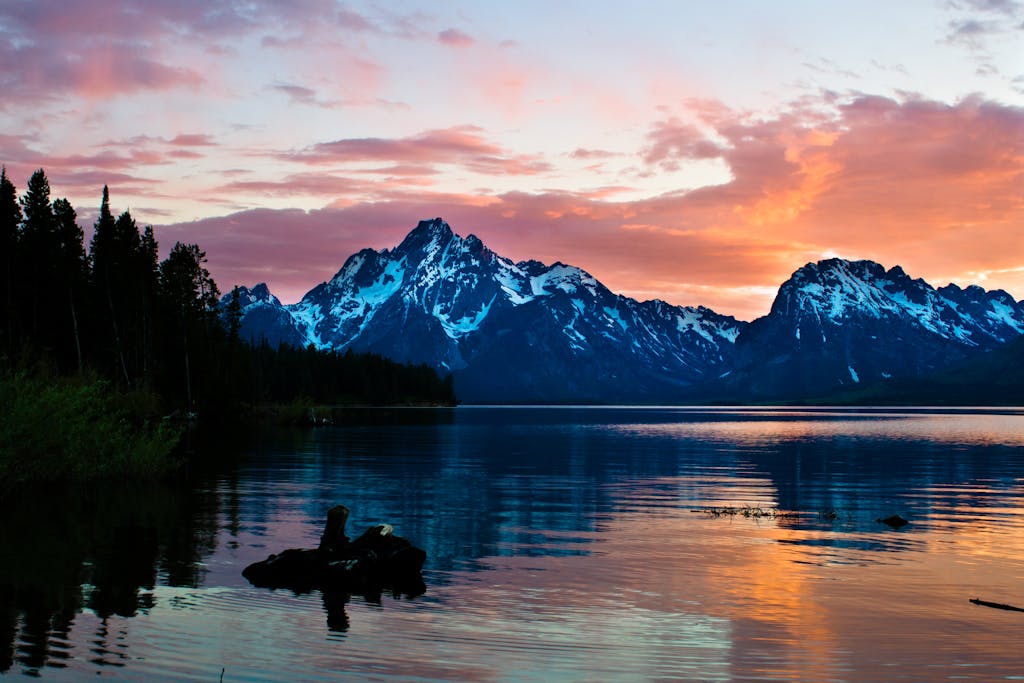
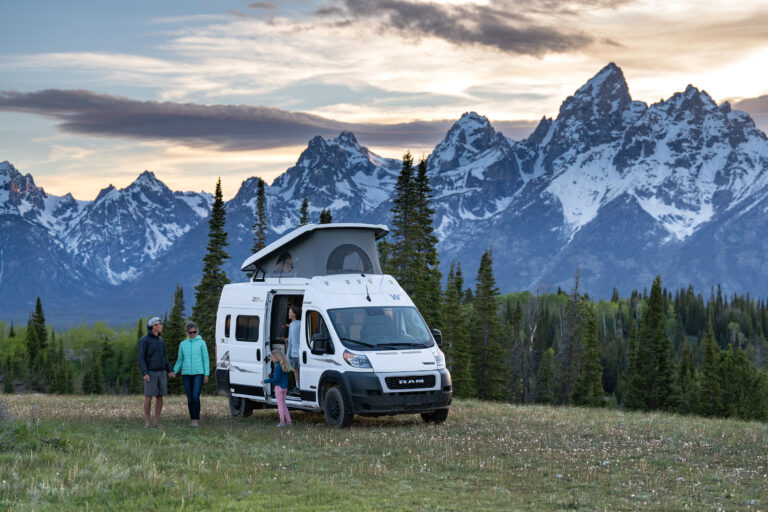
The Grand Tetons are famous for Jenny Lake, where you can see the reflection of snow-covered mountains in the crystal-clear water. The full Jenny Lake loop is very flat and about 7 miles, but you certainly don’t have to do the whole thing to soak in the views. Even just a leisurely half-mile stroll along the lakeshore gives you that perfect Teton postcard view.
You can also take the short boat shuttle across the lake to see the mountains from a different vantage point and then walk the 1-mile trail to Hidden Falls and Inspiration Point. Both provide you with stunning views without committing to a long trek.
Grand Teton also has one of the highest populations of moose in the lower 48. I’ve seen moose at dusk at Schwabacher Landing, which is a short, flat, half-mile round-trip hike, and Moose Pond, a 2-mile out-and-back hike with minimal elevation gain.
Spending too much time reading blogs?
Set up a free call with a national park expert for recommendations that are actually personalized for you!
Best casual hikes in Joshua Tree National Park
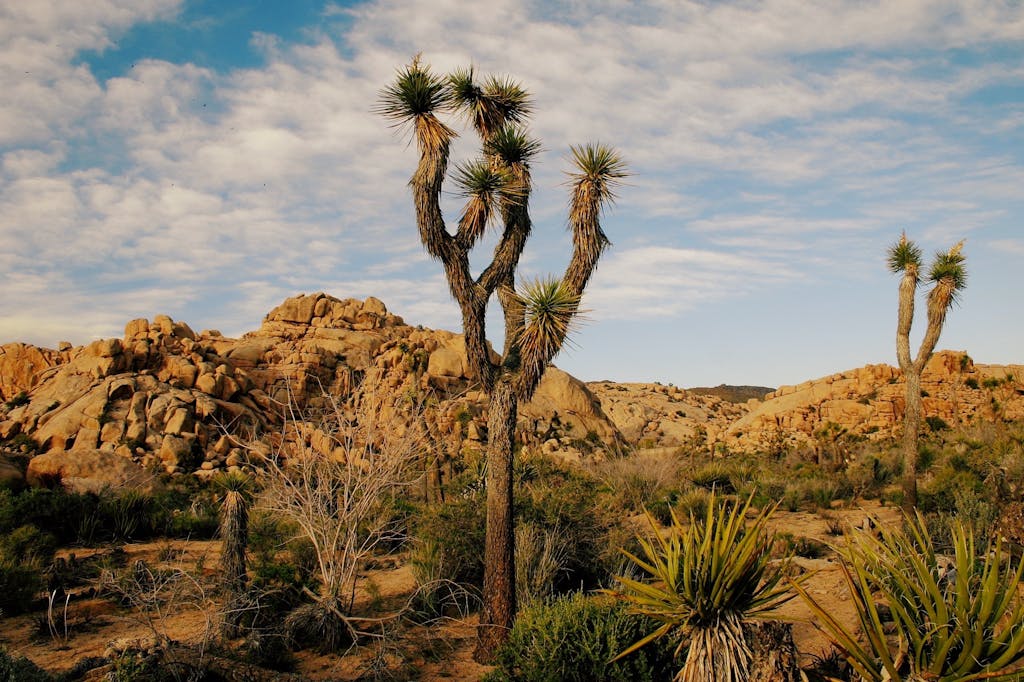
Joshua Tree is more than just its quirky namesake trees. The giant boulders and desert landscapes make it feel like another world. Joshua Tree is a much smaller park, so it’s easy to navigate, and most of the park’s highlights are found on short trails.
A few of my favorites:
- Hidden Valley Trail, a 1-mile loop through a rock-enclosed valley filled with massive boulders that’s perfect for families.
- Barker Dam Trail, 1.5 miles, mixes desert scenery with a historic dam and the chance to see bighorn sheep
- Arch Rock Trail, an easy 0.3-mile hike through huge rock formations that leads to a natural stone arch, which is a perfect “Instagram moment.”
- Skull Rock, a huge, popular rock formation that looks like a face that kids love to climb on. It’s one of the most visited sights in the park, and it’s right along the main road.
- Split Rock Loop, a 1.9-mile loop trail that takes you past a huge cracked boulder, a series of other monstrous boulders, and of course, Joshua trees.
There are tons of options to leave the hiking boots at home, slip into sneakers, and still enjoy the best our national parks have to offer.
Scenic strolls in Glacier National Park
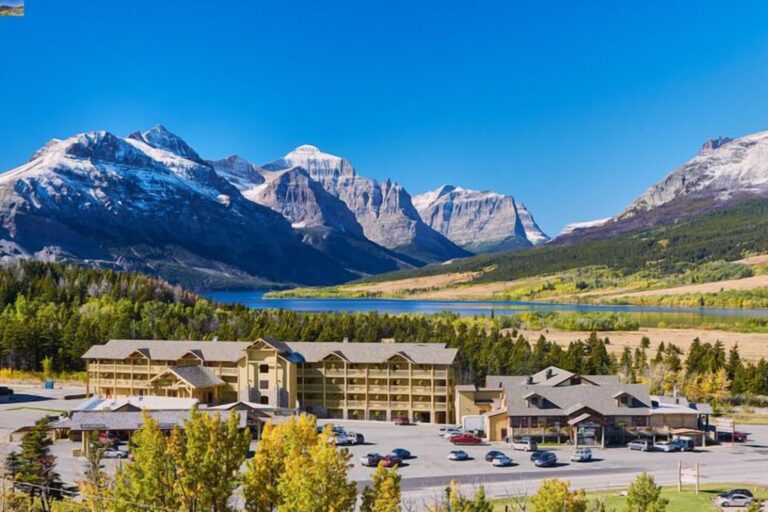
Glacier is known for epic backcountry treks, but you don’t need a giant backpack to experience its magic. The Going-to-the-Sun Road is itself a jaw-dropping drive, with overlooks where you can step out of the car, and the view feels like you’ve hiked miles.
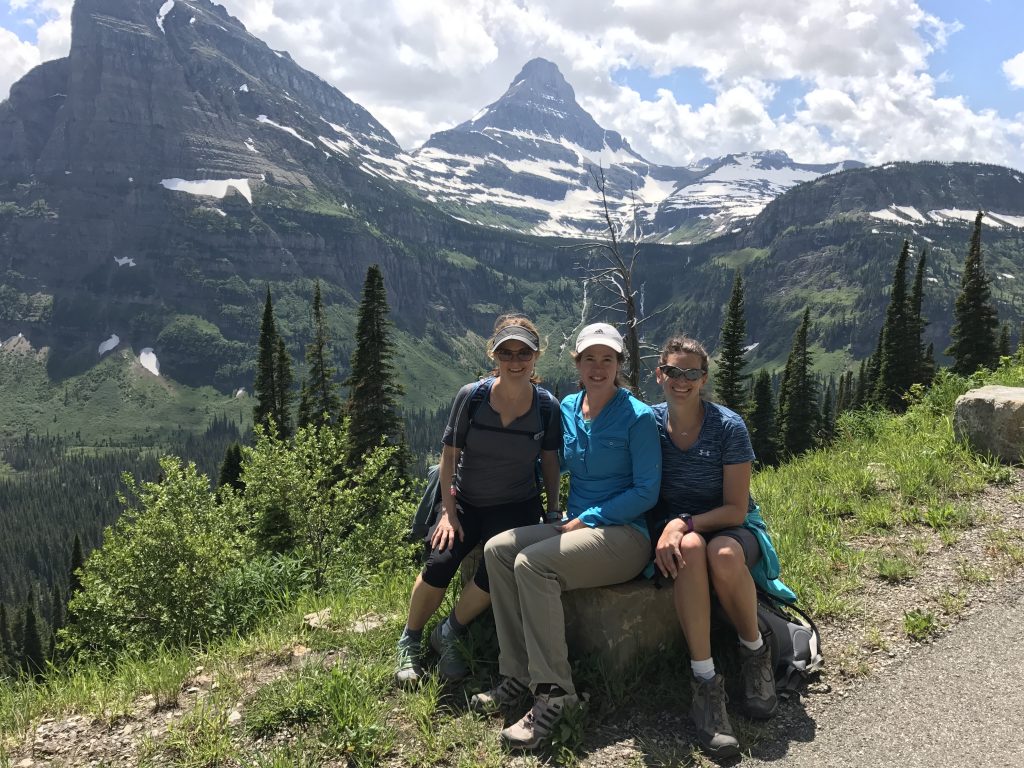
If you want to get a few steps in, start with the Trail of the Cedars (0.9 miles), a wheelchair-accessible boardwalk through towering old-growth forest. The Running Eagle Falls Trail (0.7 miles) is also flat and accessible, with the bonus of a waterfall that flows through a natural opening in the rock. For something a little longer, the Rocky Point Nature Trail (2 miles round trip) near Lake McDonald gives you sweeping views of the lake with fewer crowds.
Short trails in Zion National Park
Zion’s red rock cliffs and lush canyon floors are best known for challenging hikes like Angels Landing and the Narrows, but there are plenty of gentler options. The Canyon Overlook Trail is just a 1-mile round trip and offers one of the best panoramic views in the park.
The Riverside Walk (2.2 miles round trip) is a paved path that follows the Virgin River to the start of The Narrows. It’s shady, scenic, and kid-friendly, with spots to dip your toes in the water. For a quieter option, head to the Timber Creek Overlook Trail (1 mile) in the Kolob Canyons section.
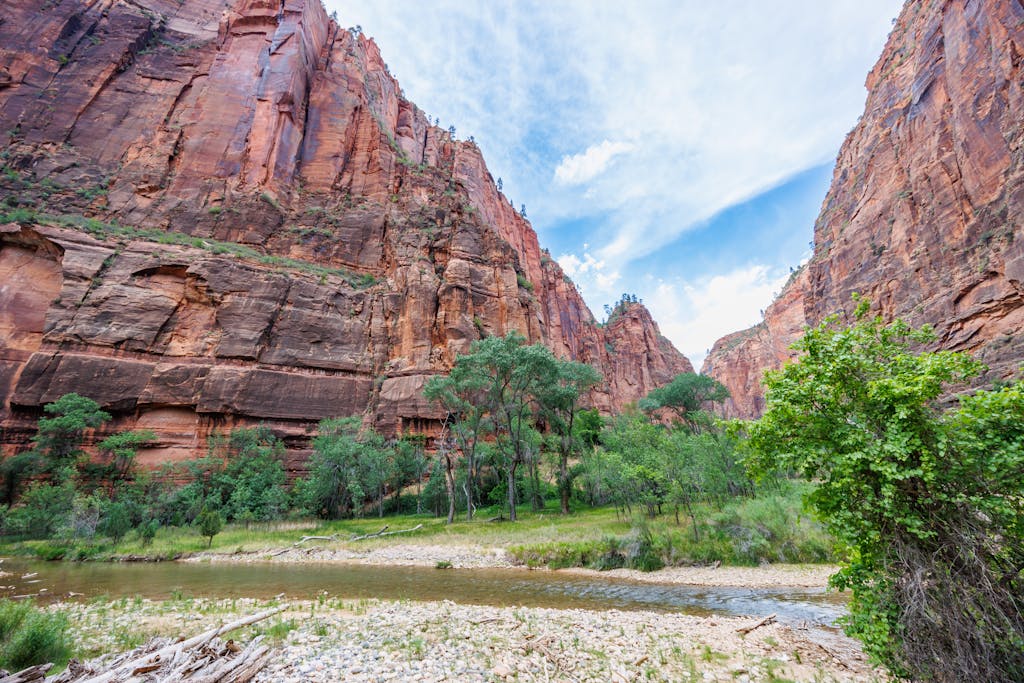
Emerald Pools, a unique desert oasis surrounded by red rock canyons and cliffs, is another famous Zion hike and can be as short as an easy 1.2 miles round trip to the Lower Pool or a 2.5-mile round trip to all three. The Lower Pool hike has wide sidewalks and is wheelchair accessible, while the trail to the Upper Pool is rockier and hillier.
These trails give you the drama of Zion’s cliffs and canyons without the need for grueling climbs.
Short hikes in Arches National Park
Arches is like a natural playground, with over 2,000 stone arches scattered across the desert. The good news is that many of the best ones are just a short walk from the car.
The Balanced Rock Trail is a 0.3-mile loop that circles the park’s most famous boulder. The Windows Trail (1 mile) takes you right up to massive arches you can walk through. Sand Dune Arch Trail (0.4 miles) is a fun, sandy walk tucked between rock fins, which is a hit with kids.
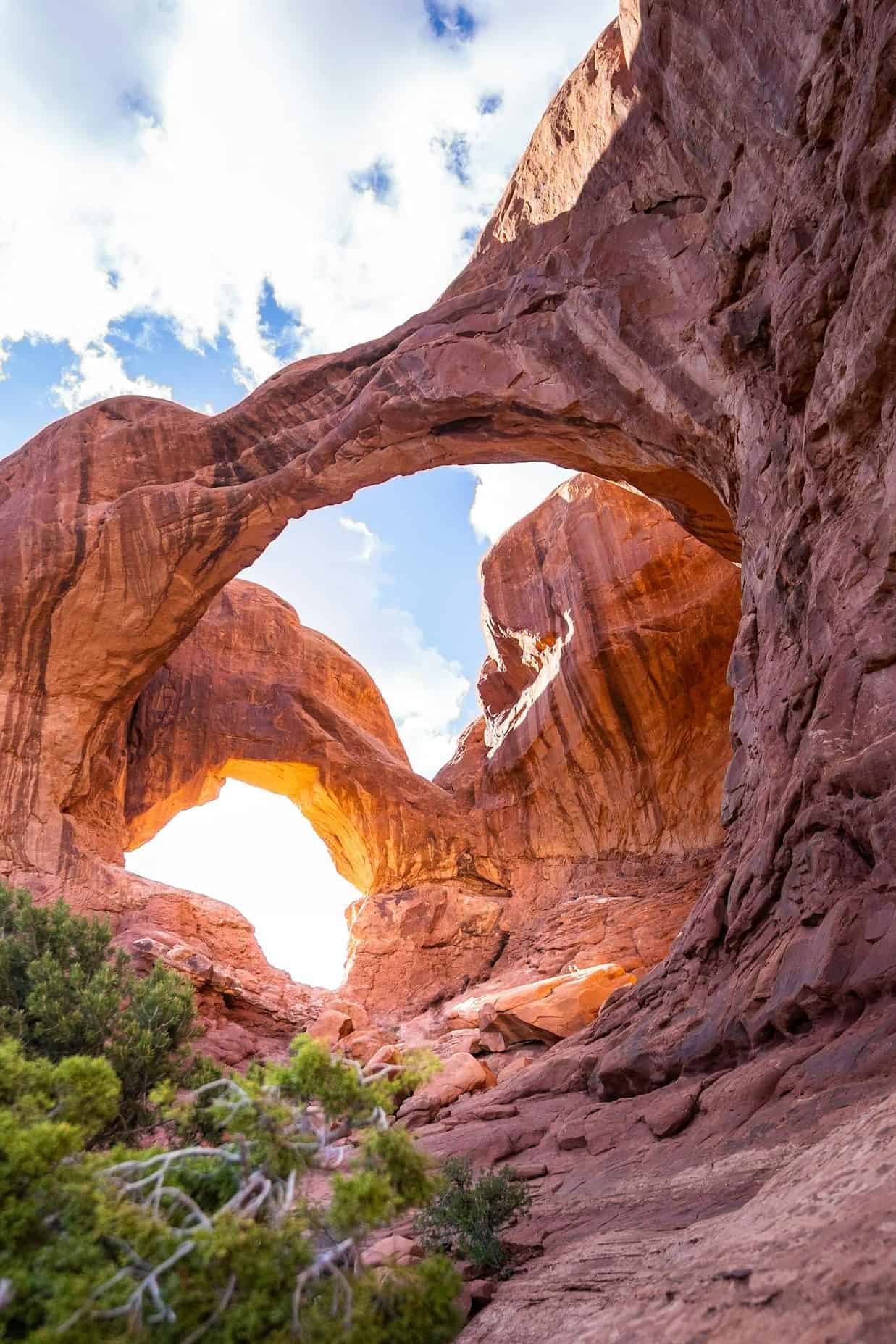
If you want something slightly longer but still manageable, the Double Arch Trail is 1.2 miles round-trip and leads to one of the park’s most photogenic formations. Or 3 miles round trip to the most iconic of all the arches, Delicate Arch. You can easily combine several of these short trails into one day for a highlight-reel visit.
Coastal walks in Acadia National Park
Acadia’s coastal scenery makes it a perfect park for casual walkers. The most famous Acadia overlook is from the top of Cadillac Mountain. You can hike it, but you can also drive to the summit, then walk around short paths to watch sunrise or sunset over the Atlantic (Pro-tip: you do need a reservation to drive the road to the summit).
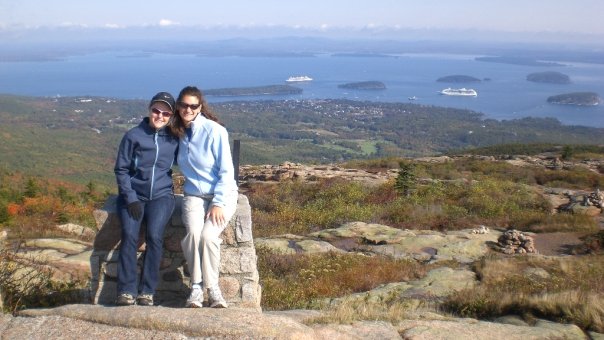
On the water, the Ocean Path Trail is an easy stroll following the jagged, scenic coastline for 4 miles, and you can walk as little or as much as you want. The section near Thunder Hole is a favorite, where waves crash into a rocky inlet.
Similarly, the Shore Path is a 0.8-mile trail that starts right in Bar Harbor and provides beautiful views of the islands in the bay. Looking for something more unique? During low tide, you can walk on a sandbar to Bar Island. The sandbar itself is about 0.5 miles one-way.
Common Mistakes to Avoid
1. Assuming “Easy” Means the Same Thing at Every Park
Trail difficulty ratings vary by park and region. An “easy” trail in Colorado at 9,000 feet elevation might leave you gasping for air even though it’s flat. An “easy” coastal trail in Acadia feels like a stroll. Always check the actual elevation gain, distance, and altitude.
2. Not Checking If “Paved” Trails Are Actually Fully Paved
Many trails listed as “paved” are only partially paved or have paved sections that end before the main attraction. For wheelchair users or people with strollers, this is critical information. Read trail descriptions carefully or call the visitor center to confirm the entire route is paved.
3. Showing Up at Popular Easy Trails Mid-Day Without a Parking Plan
Parking at easy, accessible trails like Lower Yosemite Falls, Delicate Arch, and Trail of the Cedars fills fast. Arriving at 11 AM may mean waiting for a spot or parking far from the trailhead, making it a much longer walk. Research the parking situation and if there are options for a park shuttle if you don’t want to go early.
4. Not Bringing Enough Water Even on Short Trails
Just because a trail is only a mile doesn’t mean you won’t need water. In hot, desert parks like Joshua Tree or Arches, dehydration can happen fast. Bring more water than you think you’ll need.
5. Not Asking Park Rangers for Easy Trail Recommendations
Visitor centers have rangers who know which easy trails are less crowded, which are best for specific mobility needs, and which offer the best payoff for minimal effort. Many parks have accessible trails that aren’t heavily advertised online. A quick conversation with a ranger can reveal hidden gems that perfectly match your needs.
FAQ: Your Questions Answered
What does “easy” actually mean when describing national park trails?
Easy typically means minimal elevation gain (usually under 200 feet), shorter distance (under 2 miles round trip), and smooth surfaces like paved paths or well-maintained dirt trails. However, “easy” is relative. A flat trail at 7,000 feet in elevation in Glacier National Park will feel harder than a flat sea-level trail in Acadia due to thinner air. Always check specific elevation gain and altitude.
Are wheelchair-accessible trails actually accessible, or is that just marketing?
Most trails marked wheelchair-accessible genuinely are, but specifics matter. Fully paved trails like Lower Yosemite Falls and Trail of the Cedars are smooth and wide enough for wheelchairs. However, some “accessible” trails have sections with steeper grades or surfaces that require assistance. Check park websites for detailed accessibility information or call the visitor center to confirm before visiting.
Can you enjoy national parks without doing any hiking at all?
Absolutely. Scenic drives like Going-to-the-Sun Road (Glacier), Trail Ridge Road (Rocky Mountain), and Cadillac Summit Road (Acadia) provide spectacular views from your car. Many parks offer boat tours, tram rides, ranger talks, and roadside overlooks where you step out of your vehicle for photos, then drive to the next viewpoint. Hiking is optional.
Which national parks are best for people who don’t like hiking?
Yellowstone, Grand Canyon, Glacier, Acadia, and Yosemite excel for non-hikers. They have famous scenic drives, numerous roadside viewpoints, short paved walks to major attractions, boat tours, and visitor centers with exhibits. You can experience the best of these parks with minimal walking and still see geysers, waterfalls, mountains, and wildlife.
How do you find out which trails are actually paved before you go?
Check the park’s official website under “Accessibility” or “Trail Descriptions” for surface type details. The AllTrails app has filters for paved trails and wheelchair-accessible routes with user reviews mentioning surface conditions. Calling or going to the visitor center directly gets you the current trail conditions and confirmation on which sections are fully paved versus partially paved.
Are easy trails less crowded than challenging hikes?
Not usually. Easy, accessible trails to iconic sights (Lower Yosemite Falls, Delicate Arch trailhead, Jenny Lake shoreline) often have the biggest crowds because more people can do them. To avoid crowds on easy trails, go at sunrise or sunset, visit during shoulder season (April-May, September-October), or ask rangers for less-advertised easy trails away from main attractions.
Do you need hiking boots for easy trails, or are sneakers fine?
Sneakers or comfortable walking shoes work perfectly for paved trails and well-maintained easy trails. Save hiking boots for longer, rocky, or muddy trails. For short, easy walks like Canyon Overlook (Zion) or Balanced Rock (Arches), sneakers provide plenty of support. Just avoid flip-flops or sandals without ankle support, even on easy trails.
Can toddlers and young kids handle easy trails?
Most easy trails work great for kids ages 4-5 and up, especially if they’re under 2 miles and paved. For toddlers, bring a stroller on paved trails or a child carrier for unpaved ones. Plan for frequent stops, bring snacks and water, and be ready to turn around if kids lose interest. Trails with water features or wildlife viewing keep kids more engaged.
What’s the difference between “easy” and “wheelchair accessible” trails?
Wheelchair-accessible trails must meet ADA standards with paved or firm surfaces, minimal grade (typically under 5%), and specific width requirements. Easy trails include both accessible trails and well-maintained dirt paths with minimal elevation that most people can walk, but might not accommodate wheelchairs or strollers. Accessible is a subset of easy; not all easy trails are accessible.
Are there easy trails in every national park or just certain ones?
Nearly every national park has at least a few easy trails or paved paths. Some parks naturally lend themselves to easier access better than others. Parks with dramatic elevation changes, like Mt. Rainier or the North Cascades, have fewer easy options than flatter parks like Everglades or Acadia. But those dramatic parks often have great scenic drives. Check each park’s website for specific accessible and easy trail listings.
How early should you arrive at popular easy trails to get parking?
During peak season (June-August), arrive before 8 AM for popular easy trails at parks like Yosemite, Glacier, Zion, and Arches. Some fill up by 7 AM on weekends. For less crowded parks or shoulder season, 9-10 AM arrivals should be fine. Using park shuttles eliminates parking concerns and is often the best strategy for accessing popular easy trails.
Can people with limited mobility still experience the best parts of national parks?
Yes. Many parks have specifically designed their most famous attractions to be accessible. Old Faithful boardwalks, Grand Canyon Rim Trail, Yosemite Valley views, and Glacier overlooks are all reachable without strenuous hiking. With scenic drives, accessible trails, and ranger programs, people with limited mobility can absolutely experience the best of our amazing national parks.
Ready to plan your national park escape?
These parks prove that national park beauty isn’t reserved for seasoned hikers with trekking poles. From peaceful lakeside paths to short trails with panoramic views, there are plenty of ways to experience nature at your own pace.
Get inspired for your trip
Set up a free consultation or tell us about your trip to get a quote.




This is such a great list especially if you are tired after a long hike the day before