Grand Tetons National Park

Why the Grand Tetons stand out

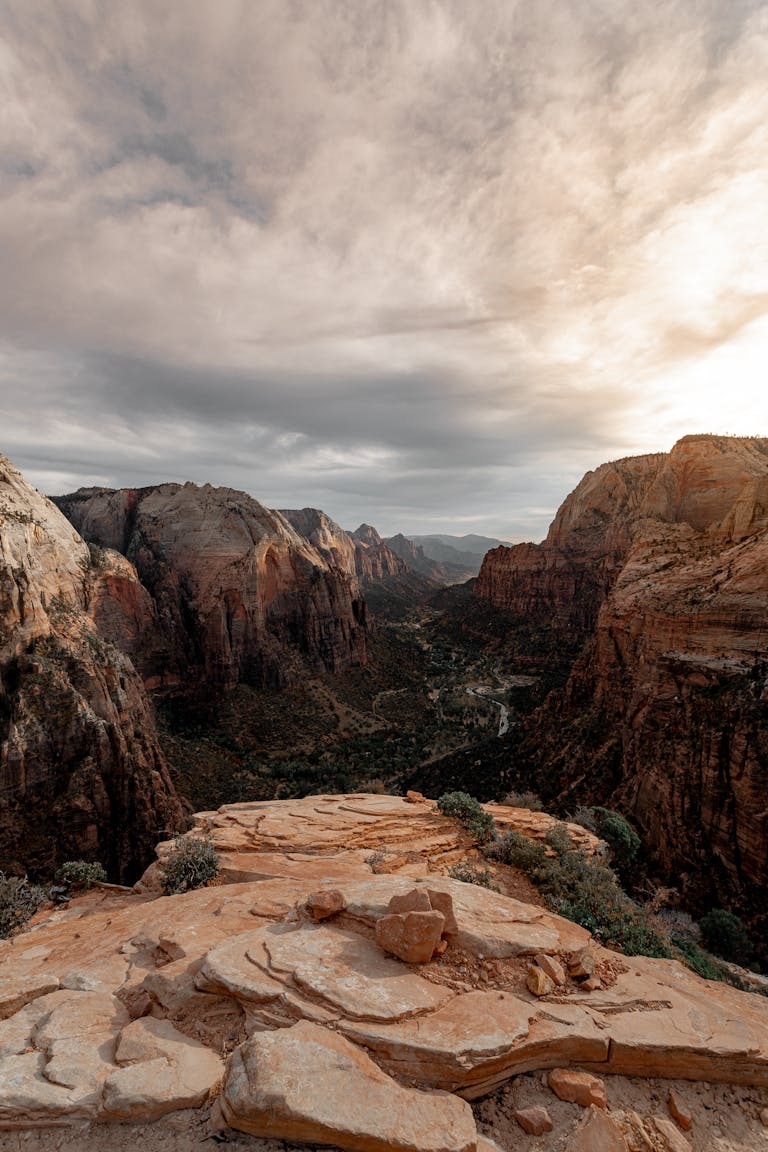
With jagged peaks rising dramatically above calm alpine lakes, the Tetons are pure mountain magic. It’s the park I’ve visited the most and I could sit on a bench by Jenny Lake and stare at the peaks reflecting in the water for hours.

It’s peaceful, gorgeous, and unforgettable. And with one of the highest concentration of moose in the lower 48, it’s amazing for wildlife viewing (I saw that guy on the right, no stock photography there!).
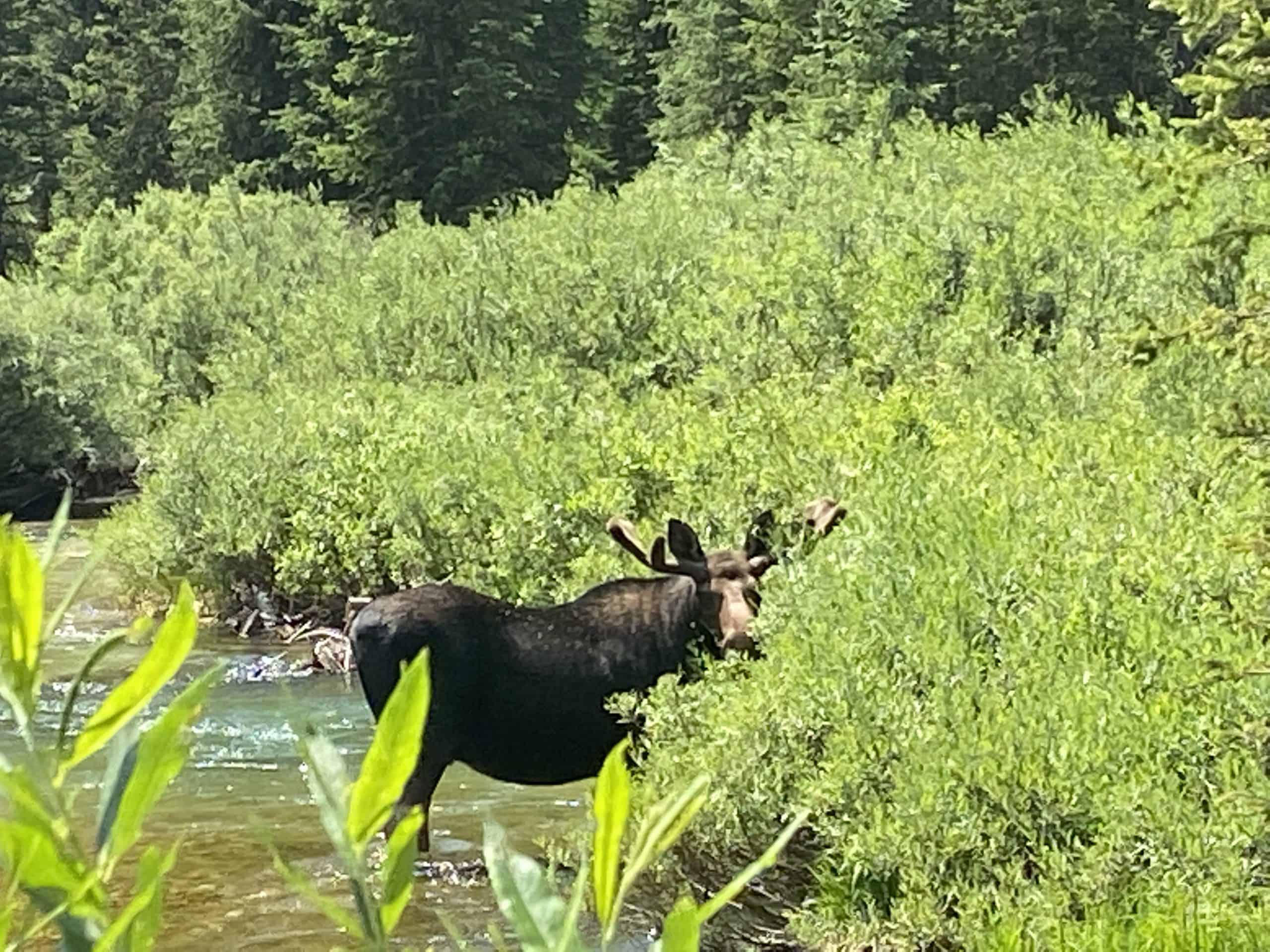
Moose near Inspiration Point on the Paintbrush Canyon Trail, Schwabacher Landing in Grand Tetons National Park

Beyond hiking…

  • Boat trip on Jenny Lake
  • Swim in String Lake
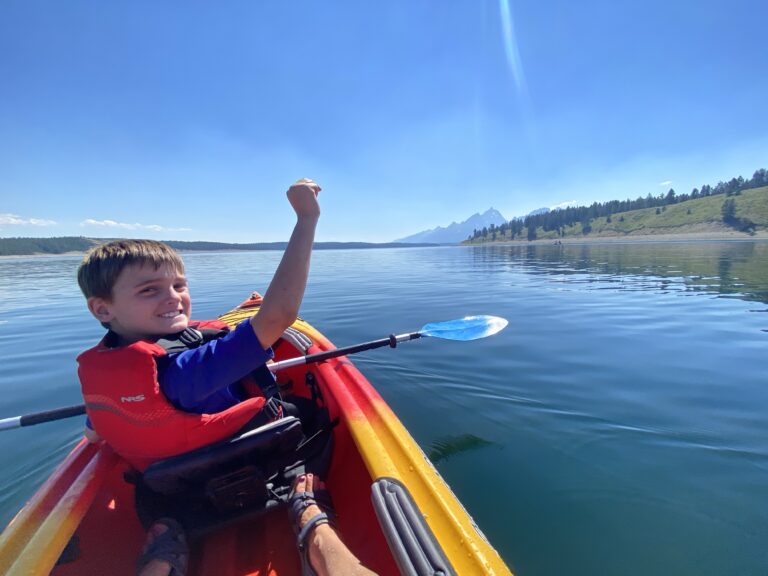
  • Kayak on Jackson Lake
  • Horse-drawn carriage rides
  • White-water rafting or scenic float
  • Fishing
  • Ride a mountain coaster
  • The best huckleberry ice cream!

Frequently Asked Questions

2-3 days is ideal, but plan for a week if you are combining it with Yellowstone (which many visitors do since they’re adjacent). You can do the Tetons in one day if you have to, but I personally think the Tetons are more spectacular than Yellowstone, so I’d cut a day at Yellowstone before I cut a day at the Tetons. Two days in Grand Teton will allow you to see Jenny Lake with a boat ride, hike to Hidden Falls and Inspiration Point, explore Jackson Lake, drive the scenic Teton Park Road, and try to spot wildlife in the early morning or evening. Three days adds time for a longer hike like Cascade Canyon, renting kayaks, a scenic boat trip on the Snake River, or visiting Mormon Row and the Antelope Flats area. If you only have one day, focus on the Jenny Lake area and the main park road viewpoints. Many people spend 2-3 days in the Tetons and 3-4 days in Yellowstone for a complete week-long trip.

Absolutely, 1000%, yes. Don’t miss the Tetons if you are going to Yellowstone. They’re connected by the scenic John D. Rockefeller Jr. Memorial Parkway near Grant Village in the southern part of Yellowstone. Most people allocate 2-3 days for Grand Teton and 3-4 days for Yellowstone. You can easily drive between them in 1-2 hours, depending on which areas you’re traveling between. Book lodging on both the Teton side (Jackson, Colter Bay, or Signal Mountain) and the Yellowstone side (Old Faithful area, Canyon Village, or West Yellowstone) to minimize driving. A combined trip gives you dramatic mountain scenery in the Tetons with the unique geothermal features in Yellowstone, plus great wildlife in both parks.

Easy (under 3 miles): Jenny Lake shoreline (varies, choose your distance), Schwabacher Landing (0.5 miles, great at dusk for spotting moose), String Lake loop (3.7 miles, very flat).

Moderate (3-7 miles): Hidden Falls & Inspiration Point (2.5 miles from Jenny Lake boat dock or 5 miles if you walk around), Taggart Lake (3.4 miles loop through wildflowers), Leigh Lake (6 miles round trip).

Challenging (8+ miles): Cascade Canyon (9+ miles with elevation gain), Delta Lake (7.6 miles steep with an incredible turquoise lake), Paintbrush-Cascade Canyon Loop (19 miles, multi-day backpacking).

I’d recommend the town of Jackson, which is right outside the park. It’s convenient, has great dining and lodging options, a cute downtown, and upscale shopping. It’s also expensive. Teton Village/Jackson Hole (northwest) provides a range of accommodations and ski access, but is further from the park. Inside the park, Colter Bay Village and Signal Mountain Lodge offer convenience with lake views and early wildlife access. Lodging is rustic and doesn’t provide that much more convenience than Jackson. The upscale options in the park, Jenny Lake Lodge and Jackson Lake Lodge, provide amazing views, but at a high price tag. Driggs, Idaho (west side of Tetons), is the most affordable with a local vibe, but requires driving over Teton Pass every day.

Late June through September offers the best hiking with all trails snow-free. September is ideal for fall colors, elk bugling season, and smaller crowds. It’s the sweet spot between summer crowds and winter closures. July-August is busiest with all facilities open, but expect crowds at popular spots like Jenny Lake. Early June can be beautiful, but higher elevation trails may still have snow. Late September-October provides spectacular golden aspens and active wildlife, though some facilities close. Winter (December-March) transforms the park for cross-country skiing and snowshoeing, but Teton Park Road closes, and many in-park lodges shut down.

No vehicle reservation or timed entry is required to enter Grand Teton. You just need to pay the entrance fee ($35 per vehicle for 7 days, or use your America the Beautiful Pass). However, backcountry camping requires reservations (January-May for summer camping). The Jenny Lake boat shuttle doesn’t require reservations, but can have a long line in peak times. The higher-end inside-park lodging, like Jenny Lake Lodge and Jackson Lake Lodge, can book up 9-12 months in advance in peak season.