Yosemite National Park

Yosemite in a snapshot

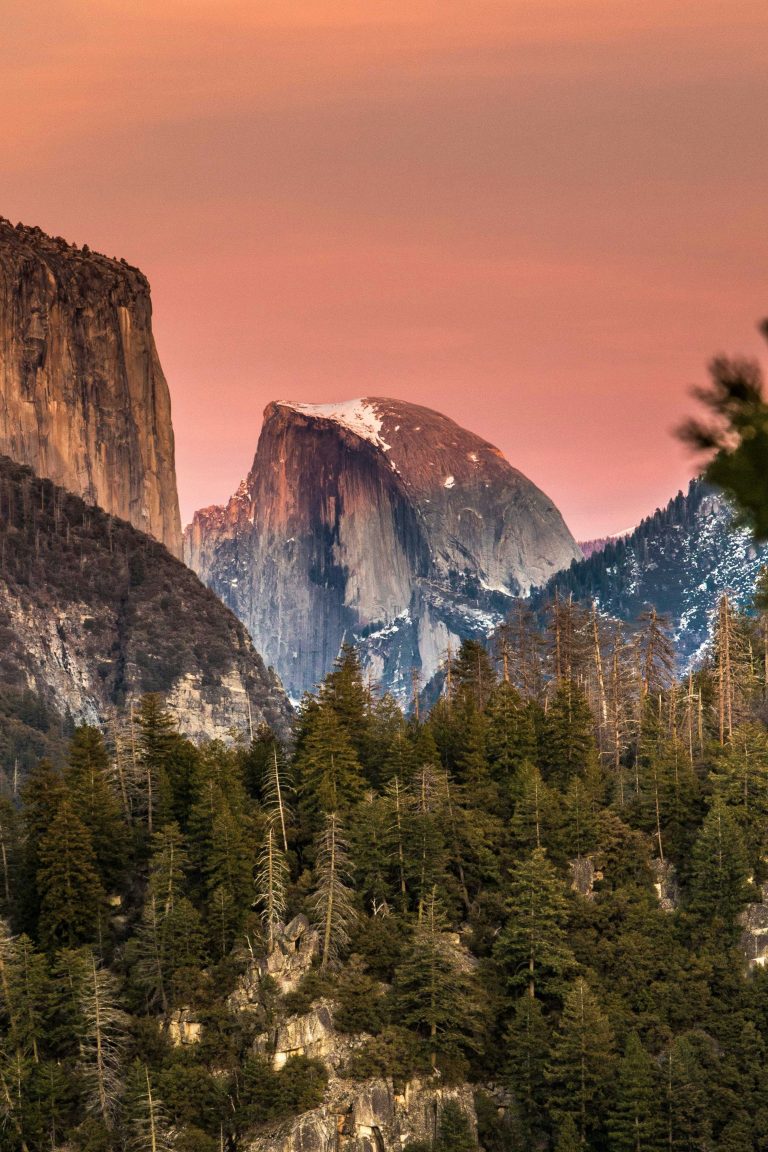
Yosemite is a showcase of natural icons: Half Dome, El Capitan, and waterfalls that thunder in spring. I’ve done the difficult hike to the top of Half Dome, but also loved just standing at the Glacier Point Lookout, admiring the view of Half Dome and Yosemite Valley. The park’s most famous landmarks are surprisingly accessible.
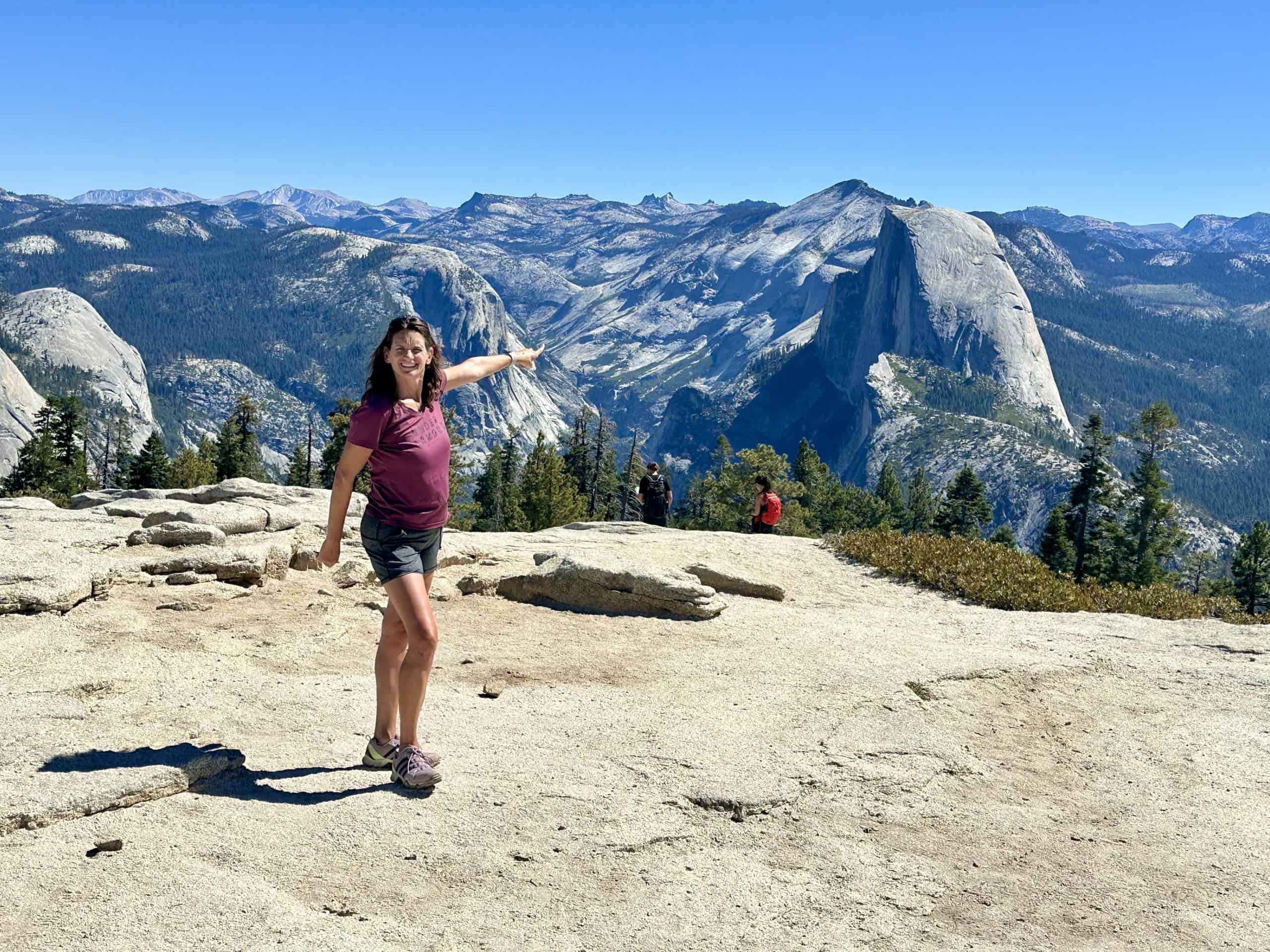
Pointing to Half Dome from the top of Sentinel Dome Hike in Yosemite National Park, near Taft Point

Beyond hiking…

  • Open-air tram tours
  • Float the Merced River through Yosemite Valley
  • Swim in Tenaya Lake
  • Bike the Valley Loop Trail
  • Fishing
  • Horseback riding
  • Scenic drive to look-out points

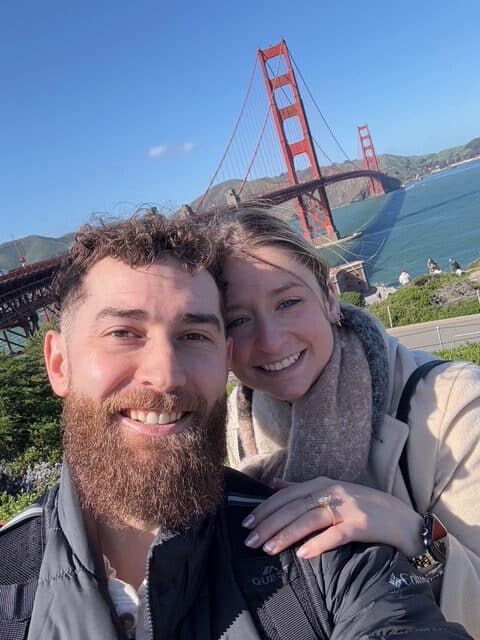
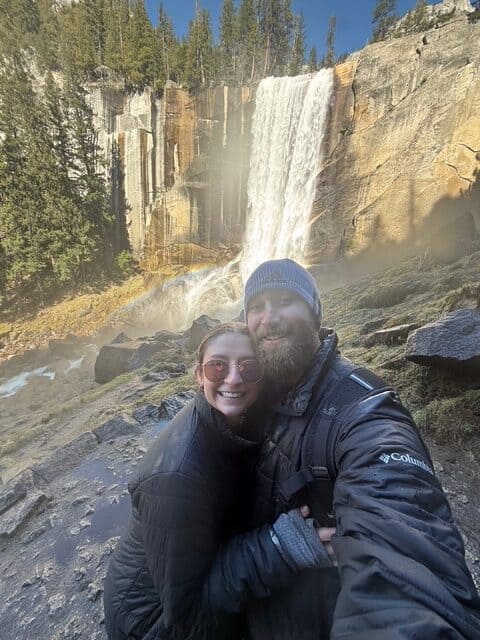
Client Trip to Yosemite with a Proposal

“Everything was perfect. She was completely surprised, and we had the whole trip to celebrate. The hotel was beautiful. The group tour was perfect. Thanks so much for all of your recommendations and planning. The trip was perfect.”

Frequently Asked Questions

3-4 days allows you to see Yosemite Valley highlights (Half Dome, El Capitan, Yosemite Falls, Mirror Lake), visit Glacier Point for panoramic views, hike to Vernal or Nevada Falls, and explore Mariposa Grove’s giant sequoias. With 2 days, you can cover the Valley and one additional area. Five to seven days lets you add Tuolumne Meadows (summer only), a float down the Merced River, more challenging hikes, and time to truly absorb the park without rushing. Many first-time visitors spend 3 nights, which provides 2.5 full days of exploring and enough time to hit major attractions and do a couple of moderate hikes without feeling rushed. Remember, this is a huge park, and it takes a lot of time to drive between places.

Yosemite has required reservations in the past, but will not in 2026. This could mean long lines at the entrance gates and limited parking in peak season. Staying in the park can eliminate the entrance lines if you can get a reservation. Also, consider taking the YARTS bus and then the Yosemite shuttle within the park if you are staying outside the park. This allows you to skip the parking hassles and take the employee entrance through the gate. You do need a permit to hike Half Dome, an iconic but very challenging hike in Yosemite.

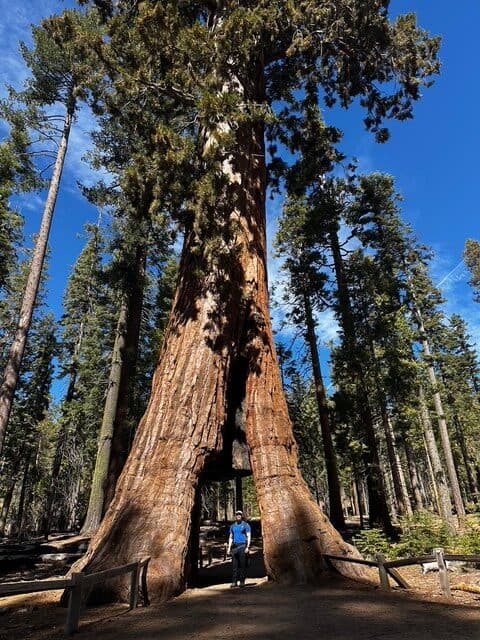
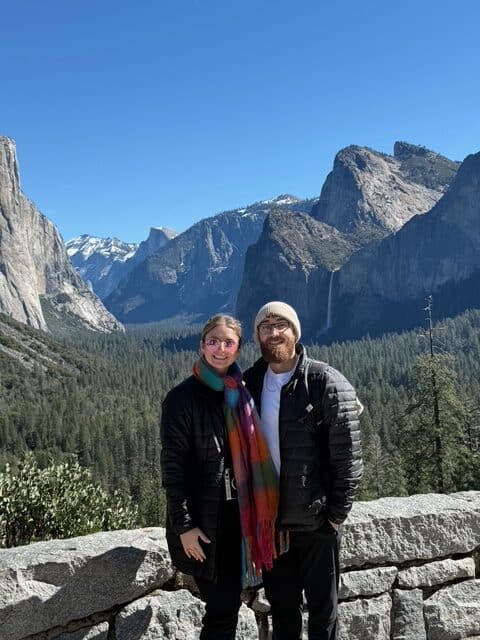
Yosemite Valley is the heart of the park with iconic views of Half Dome and El Capitan, easily accessible via free shuttle and multiple lookout points. Glacier Point offers the best panoramic view of the valley (closed in the winter). Yosemite Falls is North America’s tallest waterfall and the most impressive in May-June. Mariposa Grove contains 500 giant sequoias, including the Grizzly Giant. Tunnel View provides the classic Yosemite Valley photo. Tuolumne Meadows (summer only) offers high-altitude alpine scenery completely different from the valley. Mirror Lake reflects the mountains when water levels are high (spring/early summer). Vernal and Nevada Falls via the Mist Trail combine spectacular waterfalls with a challenging hike. The 14-16 mile hike to the top of Half Dome, summitting the Dome at a steep incline with the assistance of chains, is an amazing experience if you are in shape to do it and win a permit in the lottery.

Easy (under 3 miles): Lower Yosemite Falls (1.2 miles paved loop), Mirror Lake loop (5 miles mostly flat), Valley View (1 mile along Merced River).

Moderate (4-7 miles): My number #1 recommendation is Sentinel Dome (2.2 miles with panoramic views of Half-Dome). Mist Trail to Vernal Falls (5.4 miles round trip, steep with waterfalls), Mirror Lake to Snow Creek (7 miles with some elevation),

Challenging (8+ miles or requiring permit): Half Dome (14-16 miles round trip, cables permit required via lottery), Clouds Rest (14.5 miles, better Half Dome views without crowds), Four Mile Trail to Glacier Point (9.6 miles round trip, steep).

Late May through June offers peak waterfall flow from snowmelt, mild temperatures, and wildflowers. September and October provide the best balance of good weather, fall colors, smaller crowds, and no reservation hassles. July-August is the busiest with all roads open, the warmest weather for swimming, but there will be crowds and higher prices for accommodations. Winter (December-March) brings solitude and snow-covered landscapes, though Glacier Point Road and Tioga Road close. The main access to the park is from the South during the winter. Early spring (April) can be beautiful, but Tioga Road stays closed, and higher elevation trails have snow.

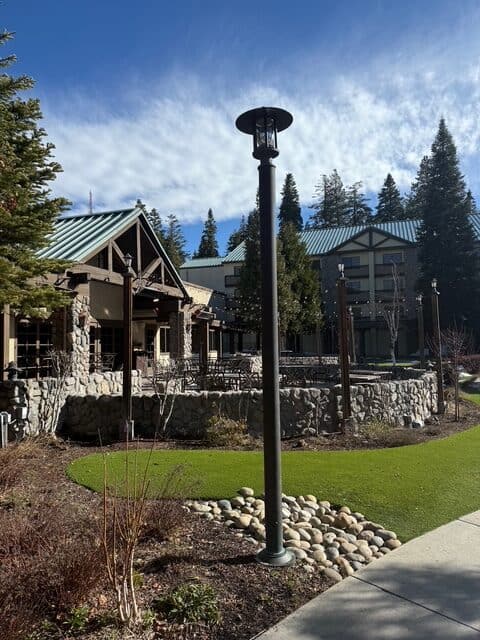
Staying inside Yosemite Valley (at Curry Village, Yosemite Valley Lodge, or Ahwahnee) provides walk-out access to trailheads, free shuttle service, and the ability to easily experience sunrise/sunset/stargazing. It’s a huge park, so I would definitely recommend staying in the park if you can. However, there are really limited options near Yosemite Valley, which is where you want to be. There are only two hotels, and they book up 10-12 months in advance in peak season.

Yosemite Valley Lodge is the best moderately priced option, but it is hard to get reservations. The Ahawahaee is 500+ per night in peak season, and dining options are limited and expensive. Curry Village is very well located and much more affordable, but you are paying $200 per night for camping-level accommodations. You have beds, but the tents are very close together, and communal bathrooms. Staying outside the park in towns like Mariposa, Oakhurst, Groveland, or El Portal costs less, offers more restaurant variety, but requires 30-90 minute drives to reach the valley each day. For a 3-4 day visit, consider 2 nights inside (if you can get reservations) and 1-2 nights outside to balance convenience with budget. El Portal is the closest to the entrance, but also has limited dining options.