Non-Hikers

Casual walks and scenic drives

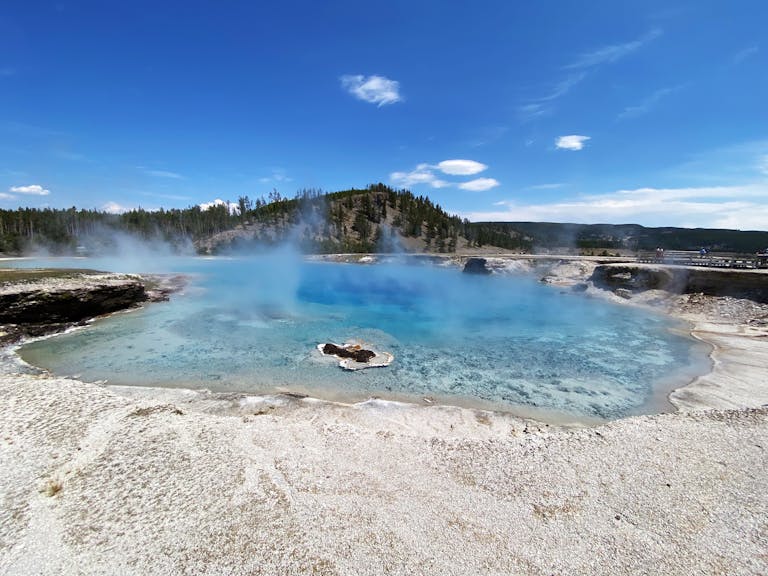
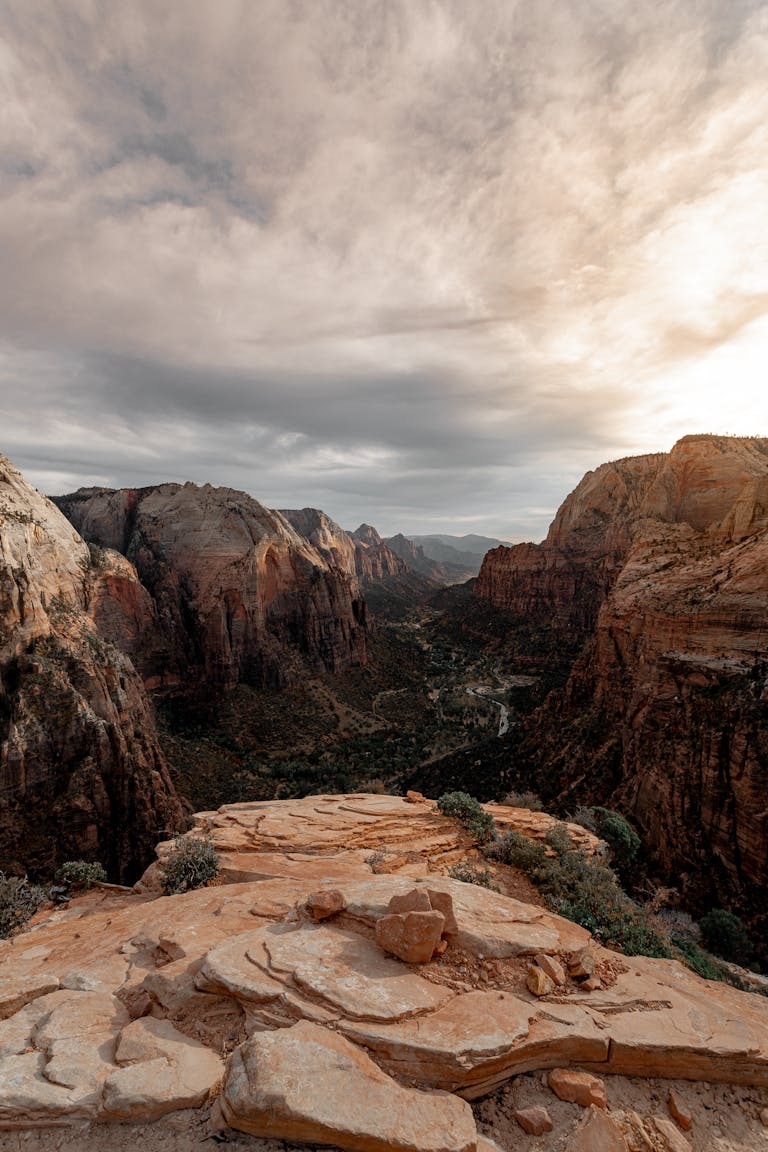
National parks may conjure images of hikers on the top of a mountain and rock climbers on vertical walls. There are certainly options to do that, but our national parks are surprisingly accessible for non-hikers as well.

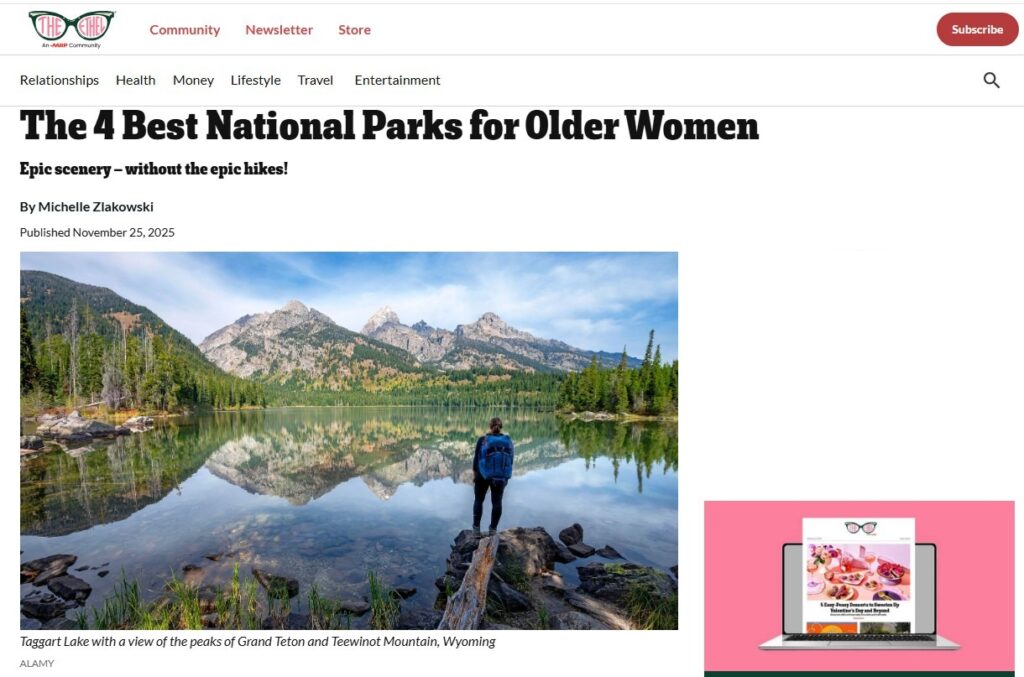
Some of the most breathtaking views in our national parks are just a short walk or scenic drive away. The picture of that gorgous lake on the right was taken from a lookout point, not the top of a mountain. You can enjoy epic scenery, comfortable stays, and unforgettable memories without breaking a sweat.

But visiting national parks isn’t as easy as jumping in the car. Some of the most popular parks require reservations that can sell out in minutes. The rules are different for every park, and often change from year to year. Certain lodging options can book up a full year in advance. I can help navigate all those details so you don’t have to.
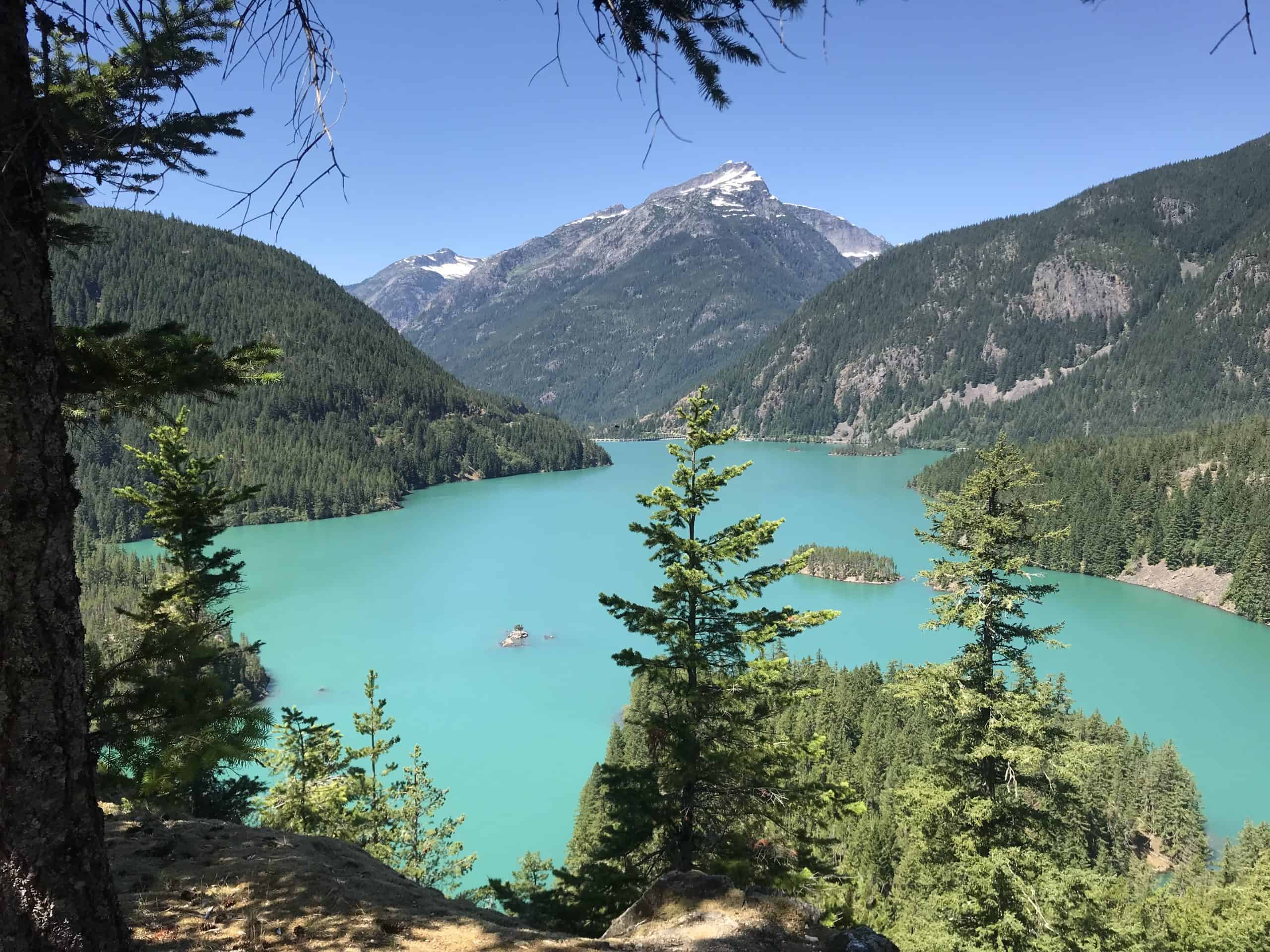

Diablo Lake lookout in the North Cascades National Park, no hiking required
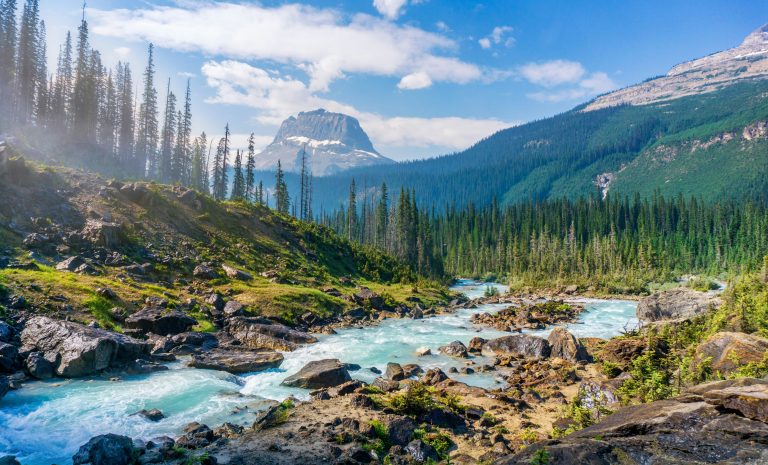
Peyto Lake lookout (right off the road), North Cascades National Park

Sailing trip along the rocky Maine coastline in Acadia National Park to see bald eagles and lobster traps
Don’t feel like walking? Take a sail and see the scenery by boat at Acadia National Park

Frequently Asked Questions

Absolutely. Many of America’s most spectacular national park sights are accessible via scenic drives, short paved walks, or direct roadside viewing. The Going-to-the-Sun Road (Glacier), Trail Ridge Road (Rocky Mountain), and the Zion-Mt. Carmel Highway offer world-class scenery from your car. Yellowstone’s geysers, including Old Faithful, are steps from parking areas on boardwalks. The Grand Canyon’s Rim Trail is paved and wheelchair-accessible with shuttle stops every few hundred yards. Boat tours at Crater Lake, Glacier Bay, or Channel Islands provide epic views without the epic miles. Wildlife viewing in Yellowstone’s Hayden and Lamar Valleys happens from your car or on roadside pullouts. You can absolutely see some of the best sights of our national parks even if you don’t own hiking boots.

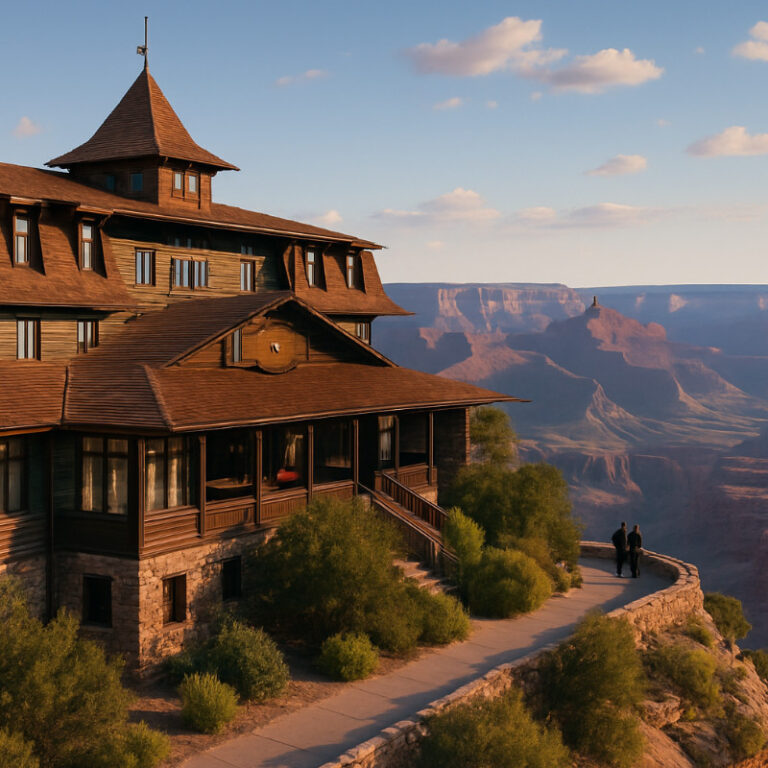
Almost all of the parks have scenic drives and lookouts that work for everyone, but here are some of my favorites for non-hikers. Yellowstone and the Grand Tetons are ideal, with their famous geysers, hot springs, wildlife, and gorgeous lakes. These sights are all accessible via boardwalks and scenic drives. You can see Old Faithful, Grand Prismatic, Jenny Lake, and bison herds without real hiking. The Grand Canyon’s South Rim has a paved Rim Trail and numerous overlooks just steps from parking. Glacier’s Going-to-the-Sun Road provides 50 miles of alpine scenery with pullouts every few miles. Yosemite Valley offers shuttle service to major sights, including Yosemite Falls and El Capitan viewpoints. Acadia’s Park Loop Road and Cadillac Mountain summit road provide coastal views and sunrise experiences. Bryce Canyon’s rim viewpoints show the hoodoos from paved overlooks. These parks provide epic views without the epic miles. accessibility without sacrificing spectacular scenery.

The Going-to-the-Sun Road in Glacier is one of my personal favorites. It’s 50 miles crossing the Continental Divide at Logan Pass. The Trail Ridge Road near Rocky Mountain National Park is the highest continuous paved road in the U.S., reaching 12,183 feet. The Zion-Mt Carmel Highway in Zion National Park, with a mile-long tunnel and switchbacks, and Route 12 between Bryce National Park and Capitol Reef in Utah. Others include Skyline Drive (Shenandoah, 105 miles of Blue Ridge Mountain views), Park Loop Road (Acadia, 27 miles of coastal Maine scenery), Desert View Drive (Grand Canyon, 25 miles along South Rim), Crater Rim Drive (Hawaii Volcanoes, circling Kilauea caldera), and Blue Ridge Parkway connecting Shenandoah to Great Smoky Mountains (469 scenic miles).

Yes, most major national parks have paved, wheelchair-accessible trails to popular features. Trail of the Cedars (Glacier) is a 0.9-mile boardwalk through old-growth forest. Riverside Walk (Zion) is a 2.2-mile paved path along the Virgin River. Lower Yosemite Falls Trail is a 1.2-mile paved loop. Grand Canyon’s Rim Trail has long paved sections between viewpoints. Yellowstone’s boardwalks at Upper Geyser Basin (Old Faithful area), Grand Prismatic Spring overlook, and Mammoth Terraces are all wheelchair-accessible. Most park visitor centers, major overlooks, and facilities meet ADA standards. Always check individual park websites under “Accessibility” for detailed trail surface information, grades, and restroom locations.

Boat tours at Maligne Lake (Jasper), Jenny Lake (Grand Teton), Glacier (Many Glacier boat trips), Yellowstone Lake, and more. Tram rides in Zion and Yosemite carry you through the canyon, narrating history and geology. Horseback riding is offered in many parks, including the Grand Canyon, Yosemite, Zion, and Rocky Mountain National Park. Jeep and ATV tours access backcountry areas near Moab (Arches/Canyonlands), Zion, and the Grand Canyon. Ranger-led programs include campfire talks, history walks, and wildlife watching sessions. Photography workshops teach landscape and wildlife techniques. Star-gazing programs at Dark Sky parks like Bryce Canyon and Death Valley. Fishing in mountain lakes and rivers (license required). Historic lodge tours at places like Old Faithful Inn and Ahwahnee Hotel.

No, comfortable walking shoes or sneakers are perfectly fine for paved trails, boardwalks, and short walks to overlooks. Hiking boots are designed for rough terrain, ankle support, and long distances, which are overkill for most non-hiking activities. Avoid flip-flops or completely flat sandals, even on paved surfaces, as they don’t provide arch support for walking around all day. For wheelchair users or people with mobility aids, smooth-soled shoes work fine on paved surfaces. If you’re planning any short dirt trail walks (like 0.5 miles to a viewpoint), sneakers with some tread or trail shoes work great.


Non-hiker posts