Yellowstone National Park

Highlights of Yellowstone

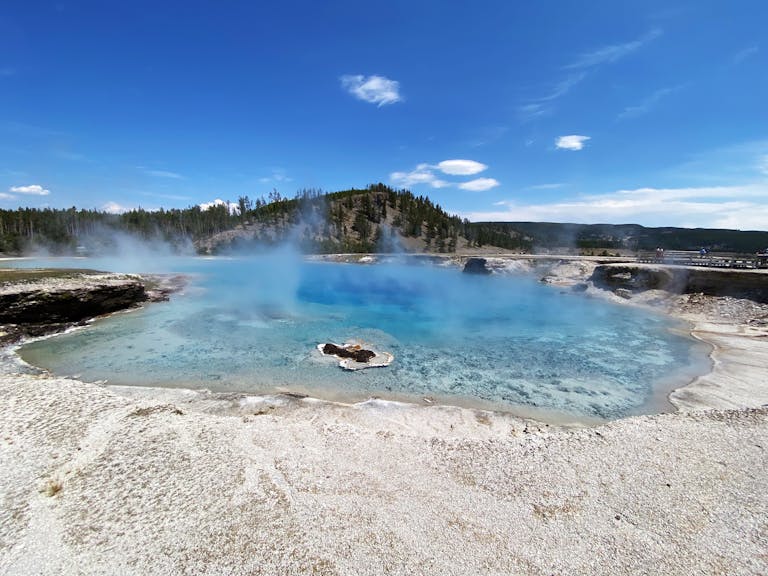
Yellowstone has it all. Geysers, bubbling hot springs, some of the best wildlife viewing in the country, the Grand Canyon of the Yellowstone, and beautiful lakes.

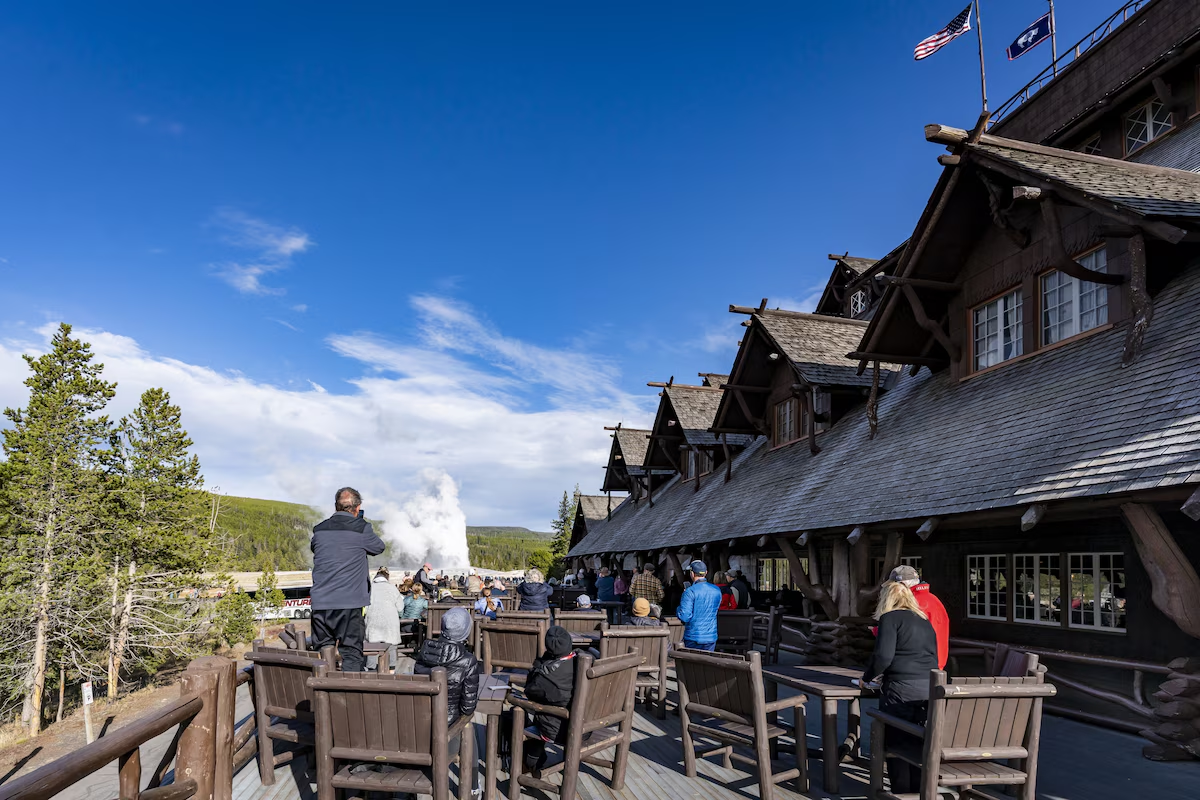
From boardwalk strolls around Old Faithful to scenic drives through bison country, adventure comes easy here. And a trip to the Grand Tetons for those majestic mountain views is only an hour away.
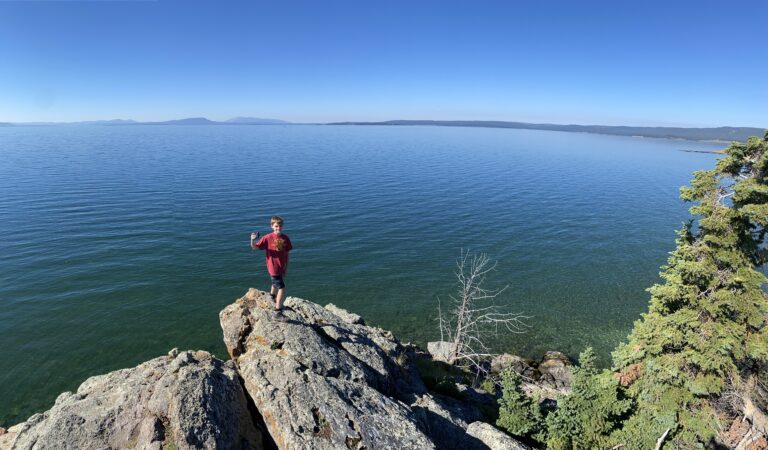
Beyond hiking…

  • Watch Old Faithful erupt
  • Bubbling mud and colorful hot springs
  • Swimming in a hot spring
  • Wildlife tours of Lamar Valley
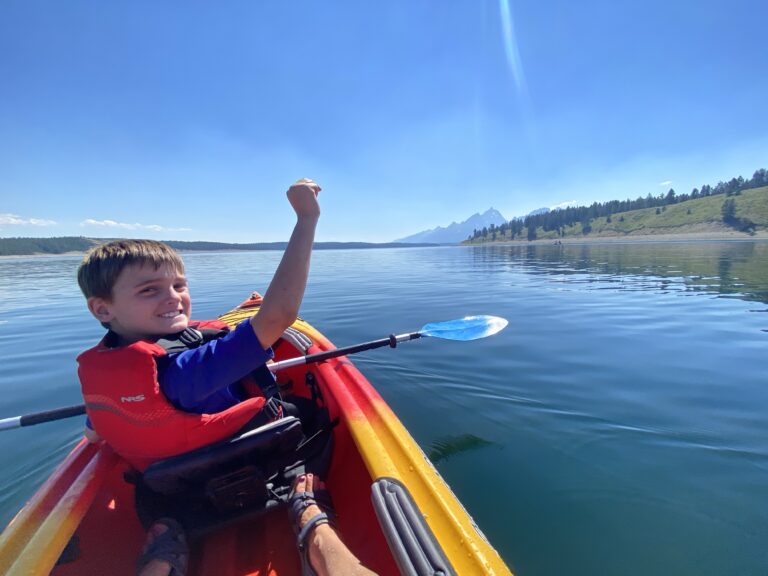
  • Boat or kayak on Yellowstone Lake
  • White water raft (outside the park)
  • Fishing
  • Horseback riding

Frequently Asked Questions

4-5 days is ideal to see Yellowstone’s main attractions without feeling rushed. But if that’s all you have, I’d recommend doing it in 3 and spending 1-2 days in the neighboring Grand Tetons. Keep in mind, Yellowstone is enormous. It’s 2.2 million acres across five distinct regions (Mammoth, Roosevelt/Tower, Canyon, Lake, and Geyser Country).

With 4-days you can visit Old Faithful and Upper Geyser Basin, Grand Prismatic Spring at Midway Geyser Basin, Grand Canyon of the Yellowstone with Artist Point, Mammoth Hot Springs terraces, Lamar Valley for wildlife viewing, and Norris Geyser Basin without feeling overly rushed. If you don’t mind busy days, you can probably cram all of that in three days if you are staying in a central area in the park, like Canyon Lodge or Yellowstone Lake, as that reduces a lot of driving.

Old Faithful (erupts every 60-110 minutes), Grand Prismatic Spring (the park’s largest and most colorful hot spring), Grand Canyon of the Yellowstone with viewing from Artist Point and Uncle Tom’s Trail, Mammoth Hot Springs‘ travertine terraces, Norris Geyser Basin (most acidic and dynamic thermal area), and Lamar Valley for wildlife viewing (especially at dawn or dusk) are the top don’t-miss sights.

Morning Glory Pool, Fountain Paint Pot, and the Upper Geyser Basin boardwalk (which has numerous geysers beyond Old Faithful) are also spectacular. Wildlife hot spots include Hayden Valley for bison and bears, and the roadside between Tower-Roosevelt and Lamar Valley for wolves, elk, and pronghorn.

Your best entrance and lodging base depends on what you want to see. West Yellowstone (west entrance) provides the closest access to Old Faithful and Geyser Country with the most dining/lodging options outside the park. Gardiner (north entrance) offers year-round access to the Mammoth Hot Springs area and is the only entrance open to cars in winter.

Canyon Village (inside the park, the most central location) gives easy access to the Grand Canyon of Yellowstone and splits time well between north and south attractions. If you can’t get in-park lodging, I’d recommend splitting your stay with 2 nights near the West Entrance in West Yellowstone and 2 nights near the North Entrance in Gardiner.

No vehicle reservation or timed-entry is required to enter Yellowstone. You just pay the $35 entrance fee ($30 in winter), valid for 7 days, or use your America the Beautiful pass. However, some lodging inside the park books up 12-13 months in advance when reservations open, especially for summer. Campsites at popular campgrounds (Madison, Canyon, Grant) are reserved 6 months ahead on Recreation.gov and can fill quickly. Old Faithful Snow Lodge (winter-only) and other winter lodging books a year ahead. If you want to stay inside the park during peak season (June-August), book as early as possible.

Late April through May and September through October are what I recommend if your schedule allows it. Wildlife is very active (spring babies, fall rut), crowds are manageable, and all roads are typically open. June can be beautiful, but late spring snow may linger. July-August is peak season with all facilities open, but it can be very crowded, especially at the “must-see” sights like Old Faithful and Grand Prismatic. Hotel prices are also much higher. Crowds and prices are even higher on peak holidays, including Memorial Day, July 4th, and Labor Day weekends.

Winter (mid-December through early March) transforms Yellowstone into a snow-covered wonderland accessible only by snowcoach or snowmobile, with steaming geysers against frozen landscapes. It’s a totally different experience but requires special planning.

I generally wouldn’t recommend it, but one day is better than none. One day allows you to see highlights of 1-2 areas, like Old Faithful, Grand Prismatic Spring, and the Upper Geyser Basin boardwalk. Or, you could focus on the Grand Canyon of the Yellowstone and Hayden Valley wildlife viewing. The park is 3,472 square miles, and driving between regions takes 1-2 hours.

From West Yellowstone to Lamar Valley is nearly 3 hours of driving. I’d strongly recommend at least 2 days, and 3-4 is better. More days also gives you more chances to catch wildlife at dawn and dusk.