Glacier National Park

The magic of Glacier

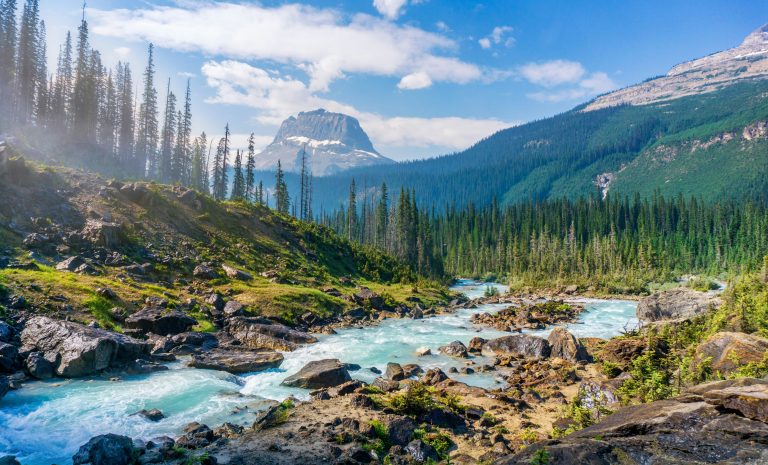
When I say nature is my happy place, I’m often thinking about Glacier. It feels like stepping into a postcard, with turquoise lakes, rugged peaks, and the iconic Going-To-The-Sun Road. It’s a hiker’s paradise, but the Going-To-The-Sun Road is exactly that—a road with jaw-dropping views around every bend. Many of the best views are accessible to hikers and non-hikers alike.
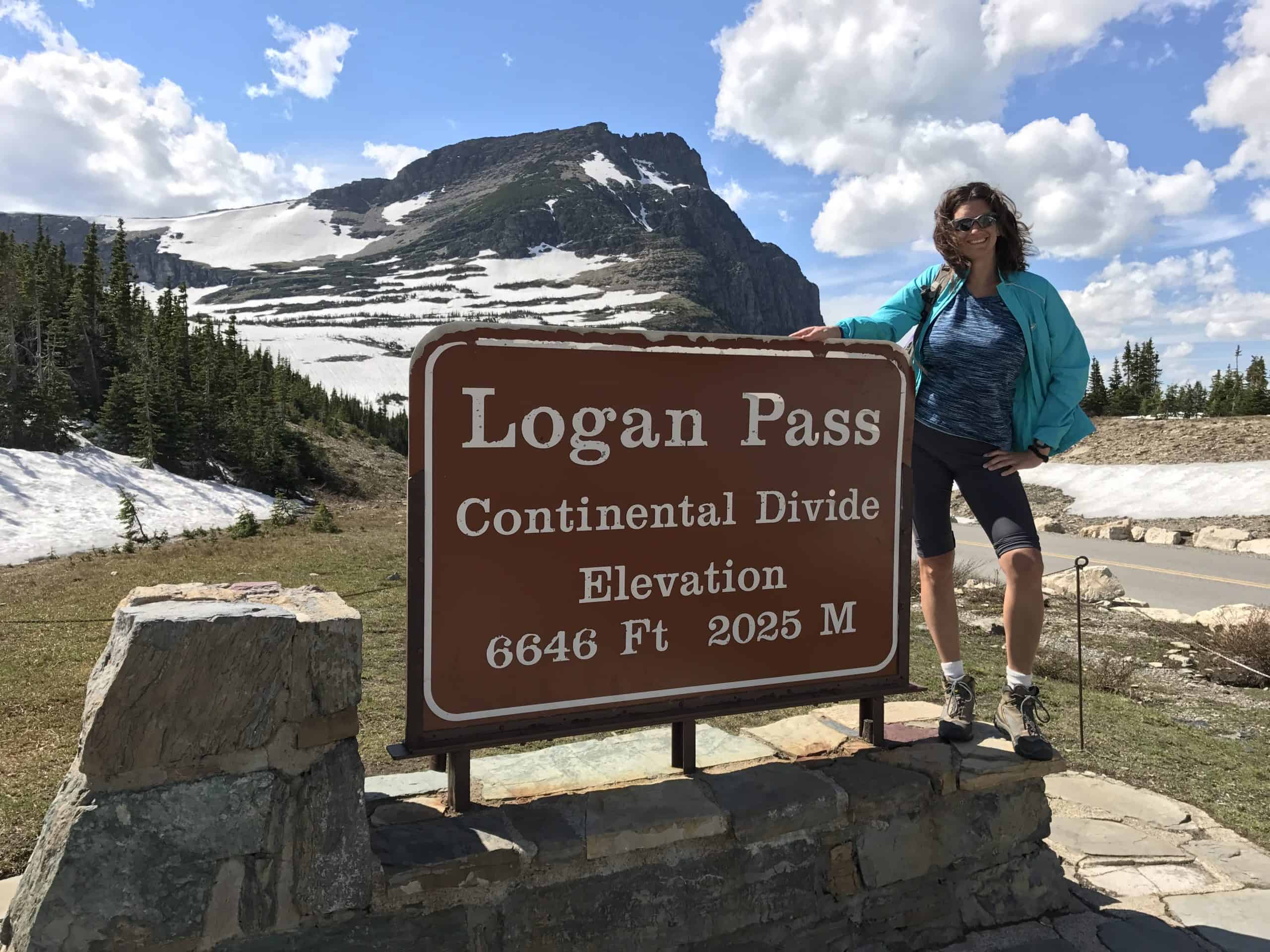
Logan Pass overlook on the Going-to-the-Sun Road at Glacier National Park

Beyond hiking…

  • Drive the Going-To-The-Sun Road
  • Kayak or paddleboard
  • Boat tours
  • Red bus guided tours
  • Wildlife viewing
  • Horseback riding
  • Glacier Highline Adventure Park
  • Huckleberry picking

Frequently Asked Questions

4-5 days is ideal to explore Glacier’s main attractions without rushing. With 4 days, you can experience Going-to-the-Sun Road, hike popular trails like Avalanche Lake and Grinnell Glacier, explore Many Glacier, and visit Two Medicine. If you only have 3 days, focus on Going-to-the-Sun Road and either the west side (Lake McDonald area) or the east side (Many Glacier). One or two days will allow you to drive Going-to-the-Sun Road and do 1-2 shorter hikes, but you’ll miss the park’s diversity.

The Going-to-the-Sun Road typically opens in mid to late June (usually between June 15-25) and closes in mid-October, depending on snowfall. The exact opening date varies each year based on weather conditions and how quickly crews can plow the snow. I’ve seen it closed as late as early July. The road is 50 miles long and crosses the Continental Divide at 6,646-foot Logan Pass. Check the park’s official website or call ahead for current road status before planning your trip, as early-season or late-season travel can be affected by snow.

Vehicle reservations have been required in recent years for the Going-to-the-Sun Road corridor (May through September) and the Many Glacier area (July through early September) from 6 AM to 3 PM. However, park management announced plans to eliminate the ticketed-entry system in 2026 and implement parking restrictions at Logan’s Pass to manage crowds. Check the park’s official website for the most current reservation requirements before your visit.

If you can get a reservation on the east side, that would be my first choice. You have easier access to the most dramatic scenery, including Many Glacier, Grinnell Glacier, and Iceberg Lake. However, there aren’t many places to stay on the East side. Many Glacier in the park and the small village of St. Mary book up very quickly. The west side (West Glacier, Whitefish, Columbia Falls) offers easier access to Lake McDonald, Apgar Village, and more amenities, including more restaurant options. For a comprehensive visit and to minimize driving, consider splitting your stay with 1-3 nights on the west side and 1-3 nights on the east side. If you can only pick one side and it’s available, go east, but you probably need to book 7-9 months in advance in peak season. The west side provides more convenience and gateway town amenities.

Easy (under 2 miles): Trail of the Cedars (0.9 miles, wheelchair accessible boardwalk through old-growth forest), Running Eagle Falls (0.7 miles, waterfall flowing through natural rock opening), Rocky Point Nature Trail (2 miles round trip with Lake McDonald views).

Moderate (3-6 miles): Avalanche Lake (4.8 miles round trip to turquoise glacial lake), Hidden Lake Overlook (5.1 miles round trip).

Challenging (7+ miles): Highline Trail (15 miles with high exposure and stunning alpine views, but you don’t have to do the whole thing), Grinnell Glacier (7.8 miles round trip to an active glacier, or 2.4 miles if you take the boat shuttle across Lake Josephine).

July and August are extremely crowded, with parking lots filling by 7-8 AM at popular trailheads like Logan Pass. However, the season is short at Glacier, and the shoulder season has some risks. September offers the best balance as most facilities and roads are open, the weather is still good, and crowds are significantly smaller. Early June can be beautiful with wildflowers, but some high-elevation trails may still have snow, and it’s possible the Going-to-the-Sun Road will still be closed. Late September through early October provides spectacular fall colors and very few visitors, though Going-to-the-Sun Road could close early due to snow. Winter (November-April) offers cross-country skiing and snowshoeing, but most of the park is inaccessible.