Adventure Travel

Ready for a thrill?

I’ve hiked to the bottom of the Grand Canyon, scaled Half-Dome at Yosemite National Park, hiked the Narrows in Zion National Park, walked the full Inca Trail, ATVed around Denali National Park, hurtled down class V rapids, rappelled into canyons, zip-lined, skydived, and way more. I’m an adrenaline junkie.

If you naturally gravitated to the adventure travel page, you probably already know how amazing our national parks are, but you may be too busy to find the perfect hotel, sort out hiking permits, and find the right activities. That’s where I can help.
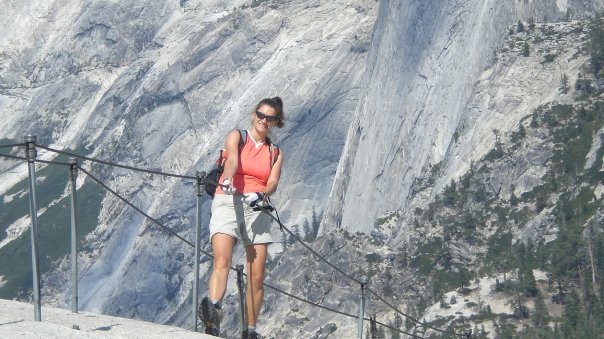
Adventure travel hike up the final portion of the Half Dome, a steep ascent of about 400 vertical feet up the bare granite face of the dome to reach the summit of Half Dome in Yosemite National Park, permit required
Climbing Half Dome in Yosemite National Park
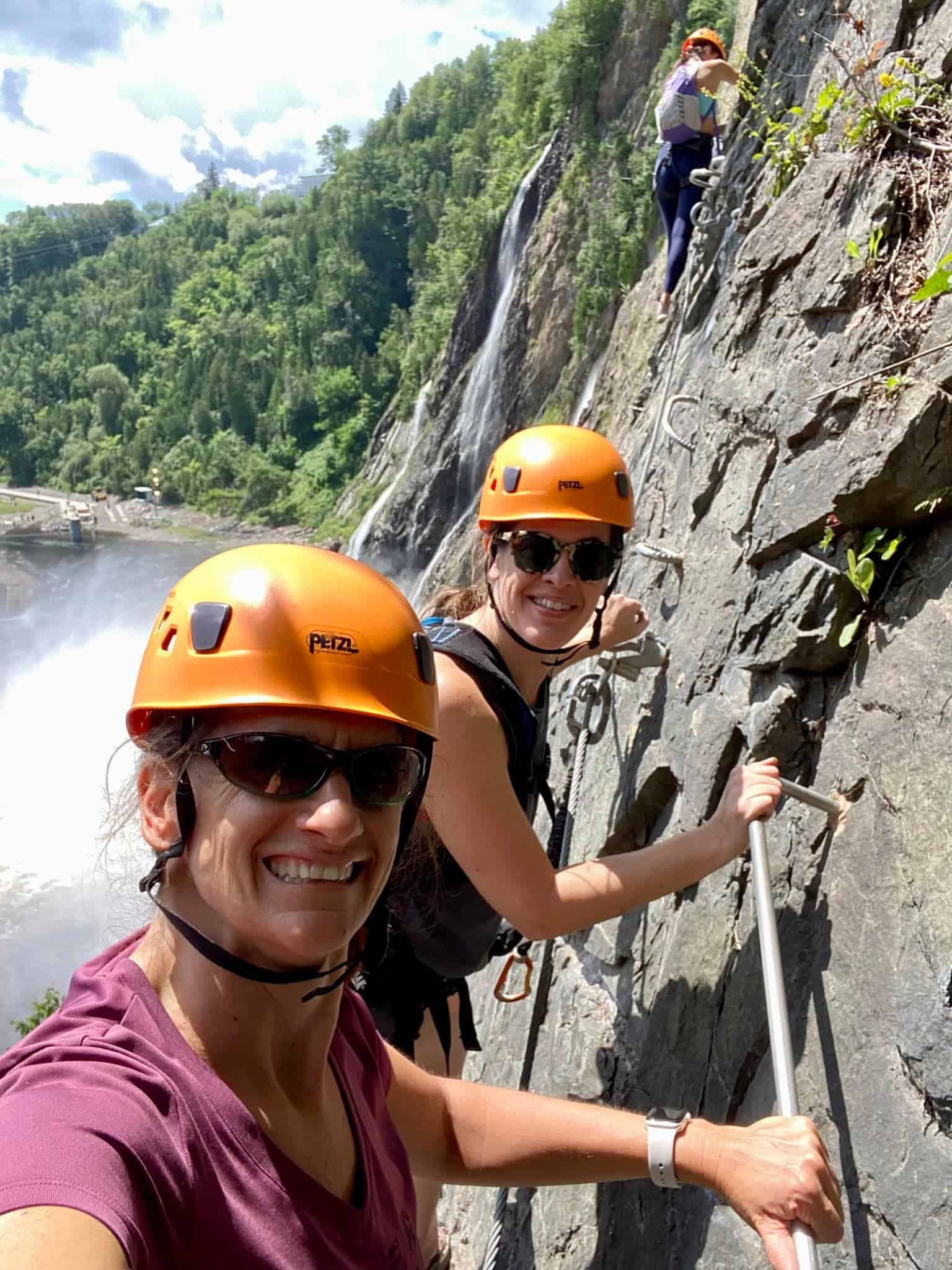
Adventure travelers climb the via ferrata or iron rungs at montmorency falls in quebec city, Canada
Via Ferrata (“iron rung”) in Parc de la Chute-Montmorency, Quebec
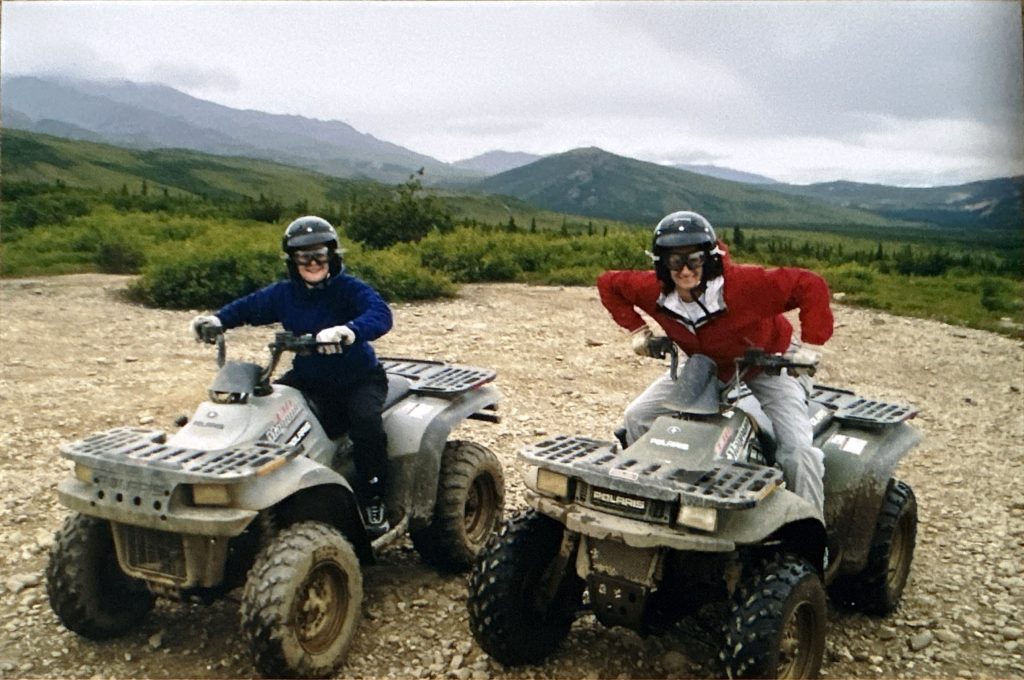
ATV adventure in the Alaska range mountains near Denali National Park, Alaska
ATVing near Denali National Park, Alaska
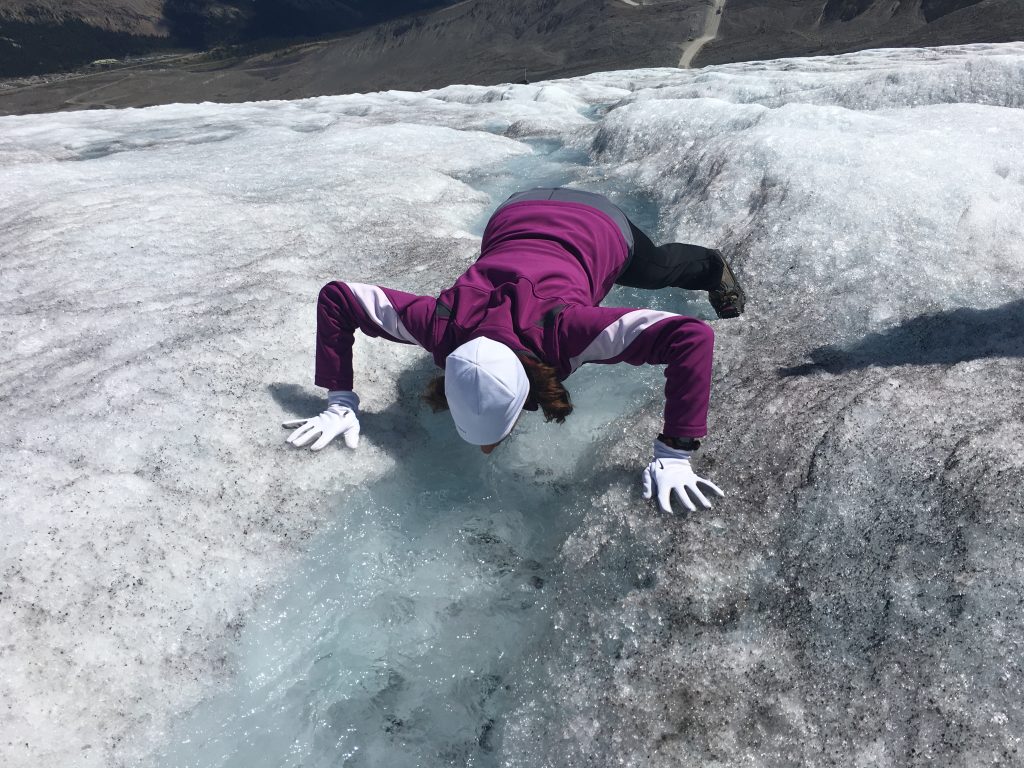
Taking a drink of glacier water after ice climbing on the Athabasca Glacier on the Columbia Icefields near Jasper National Park
Taking a drink of glacier water after ice climbing on the Athabasca Glacier, near Jasper
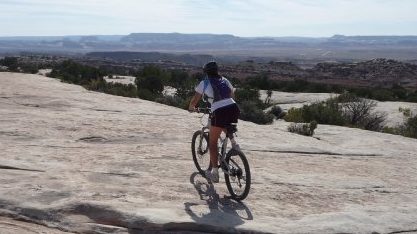
Mountain biking for a Moab adventurer trip on slickrock near Canyonlands National Park in Utah
Mountain biking on slickrock near Canyonlands National Park
AS FEATURED IN THRIFTY NOMADS

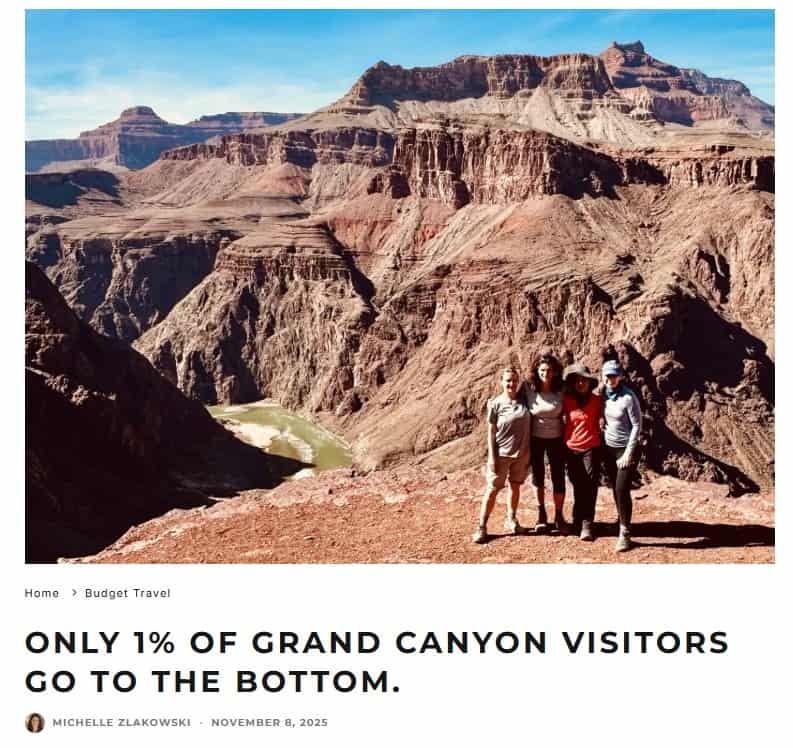
Hiking the Grand Canyon

Our epic Grand Canyon adventure was featured in Thrifty Nomads


Frequently Asked Questions

Half Dome (Yosemite, 14-16 miles, 4,800 ft gain, permit required for the cables section) involves steep granite slabs and exposed cables.

Angels Landing (Zion, 5.4 miles, 1,500 ft gain, permit required for the last section) features a narrow ridge with 1,000-foot drop-offs and chain assists.

The Narrows Top-Down (Zion, 16 miles one-way, wading through the river) requires route-finding and an overnight permit.

Highline Trail (Glacier, 15 miles one-way for the full trail, but you can do as much or as little as you want) clings to cliff faces with extreme exposure.

Longs Peak (Rocky Mountain, 15 miles, 5,000 ft gain to 14,259 ft summit) involves scrambling and altitude challenges.

Grand Canyon Rim-to-Rim (24 miles, 11,000 ft total elevation change) is brutal, especially in the summer heat, but iconic.

Glacier National Park offers over 700 miles of backcountry trails, including the iconic Gunsight Pass route and the Ptarmigan Tunnel. The North Cascades has remote high-alpine terrain with glaciers and less traffic. Olympic’s rainforest and coastal backpacking provide unique Pacific Northwest experiences. Grand Teton’s Teton Crest Trail (40 miles) offers dramatic mountain scenery. Kings Canyon and Sequoia’s High Sierra routes access pristine wilderness. The Great Smoky Mountains has the most extensive trail system (800+ miles), though more crowded. Most backcountry permits require booking 2-6 months in advance and sell out quickly for popular routes.

Yes, many parks allow climbing with varying regulations. Yosemite is world-famous for El Capitan and Half Dome big-wall climbing, though most routes require advanced skills. Joshua Tree is world-class for bouldering and traditional climbing with over 8,000 routes suitable for all levels. Rocky Mountain National Park allows climbing but requires checking seasonal closures for raptor nesting. Grand Teton offers mountaineering on iconic peaks with guide services available. Zion permits climbing, but some areas restrict it for safety and resource protection. Always check park-specific regulations, register climbs when required, and practice Leave No Trace principles, including proper chalk use and bolt placement policies.

White-water rafting on the Colorado River through Grand Canyon, Yellowstone’s Gallatin or Snake Rivers, or Cataract Canyon near Canyonlands offers thrilling rapids. Kayaking pristine lakes like Jackson Lake (Grand Teton), Lake McDonald (Glacier), or Swiftcurrent Lake. Canyoneering through Zion’s technical slot canyons with rope work and swimming (guided tours recommended). Mountaineering iconic peaks in Grand Teton, Rainier, or Denali. Via ferrata routes at Telluride Mountain Village near Black Canyon. Winter backcountry skiing in Glacier, Rocky Mountains, or the North Cascades. Most activities require permits, proper gear, experience, or guided services.

It depends on the activity. Day hiking typically doesn’t require permits except for specific trails like Half Dome (permit lottery), Angels Landing (permit lottery), or Longs Peak in Rocky Mountain (voluntary registration). Backcountry camping always requires permits, often booked months ahead. River rafting through the Grand Canyon uses a lottery system 15 months out or commercial permits. Climbing registrations are required in some parks for safety and SAR coordination. Canyoneering permits in Zion’s technical canyons book quickly. Winter backcountry skiing may require avalanche safety education and beacon/shovel/probe. Always check specific park websites for current permit requirements, as they change frequently.

It depends on the park, but typically summer (June-August) provides the best high-alpine access with snow-free trails and long daylight hours, but expect crowds at popular adventure destinations. May-June offers excellent conditions for waterfall ice climbing (Ouray) and peak waterflow for rafting, though higher elevations may still have snow. September-October provides stunning fall colors, comfortable temperatures, and significantly fewer crowds, which is ideal for long backpacking trips and peak climbing. Winter (December-March) opens opportunities for backcountry skiing, ice climbing, and winter mountaineering for those with proper gear and avalanche training. Spring (April-May) brings variable conditions with avalanche danger at high elevations but excellent desert rock climbing weather.