Planning a trip to Yellowstone and the Grand Teton itinerary is a lot of work. I can’t even count how many hours I put into planning my trip there the first time I went (only to have to redo the plan because the Upper Loop closed from flooding that year). You have to figure out what towns to stay in, which hotels in those towns, what you want to see, and what you want to do each day. There’s a TON of blogs and resources out there, and sure, ChatGPT can give you tons of ideas, but you still have to piece together exactly what you want to do.
Yellowstone is over 2.2 million acres, with so many options for seeing unique geothermal features and wildlife. The stunning and dramatic mountains of the Grand Tetons are just 30ish miles south. The parks are actually connected, so how far they really are depends on where you are starting and ending in each park.
I have visited both parks multiple times. I’ve done very different trips with my son and a girls’ trip of pretty serious hikers. There are so many ways to plan a trip to these two amazing parks. And let’s be honest, no generic itinerary I could ever write (or any other blogger for that matter) is going to be exactly right for you. That said, these itineraries should give you a great starting point for you to start mapping out your trip.
This guide provides three different itineraries:
- 3 Days: The highlights (2 days Yellowstone + 1 day Grand Teton)
- 5 Days: The balanced trip (3 days Yellowstone + 2 days Grand Teton)
- 7 Days: The complete experience (4 days Yellowstone + 3 days Grand Teton)
Executive summary: what you must know first
- The parks are connected: The southern end of Yellowstone and the northern end of the Grand Teton are actually connected by the John D. Rockefeller Jr. Memorial Parkway, so you should plan to use the day driving from one to the other to see some of the sights in those parts of the park.
- Yellowstone is much bigger: Yellowstone is 7 times larger than Grand Teton, with two distinct loops (Lower and Upper). Most people plan more time in Yellowstone. If you love the majestic mountain scenery and want to do some big hikes, the Tetons are far more stunning in my opinion, and you may want more time there.
- Grand Teton is more compact: You can see Grand Teton’s highlights in 1-2 days, but 2-3 days allows time for real hiking if you want to do that.
- Jackson or Bozeman are the closest airports: The Jackson Hole Airport is actually inside Grand Teton National Park, which is incredibly convenient, but flights can be expensive. Bozeman is the closest airport to most of Yellowstone. If you are looking for a larger airport for direct flights, Salt Lake City is the best bet. Flying into Bozeman and out of Jackson or vice versa can save a lot of time, but can be more expensive.
- No reservations needed: Neither park requires timed entry reservations. It’s a $35 entrance fee per vehicle for EACH park, so the $80 America the Beautiful Pass, which gives you access to all national parks for a year, could make sense.
- Best split: I’d recommend 3 days in Yellowstone and 2 days in Grand Teton for a 5-day trip, but reverse that if you care more about full-day hikes in the mountains than seeing more cool geothermal features.
Spending too much time reading blogs?
Set up a free call with a national park expert for recommendations that are actually personalized for you!
The geography of Yellowstone and Grand Teton
Understanding the layout will help you plan smarter.
Yellowstone: Shaped like a figure-eight with two loops. The Lower Loop (south) contains Old Faithful, Grand Prismatic Spring, Grand Canyon of Yellowstone, and Hayden Valley. The Upper Loop (north) contains Mammoth Hot Springs, Lamar Valley, and Tower Fall. Each loop is about 96-142 miles of driving.
Grand Teton: A north-south park that runs along the Teton Range. The main attractions line up on Teton Park Road and Highway 191: Jackson Lake, Jenny Lake, Mormon Row, and the Snake River. It is much more compact than Yellowstone.
The connection: The John D. Rockefeller Jr. Memorial Parkway connects the south end of Yellowstone to the north end of Grand Teton. The drive from West Thumb (Yellowstone) to Colter Bay (Grand Teton) takes about 45 minutes.
The 3-day highlights itinerary
This plan is for travelers who are short on time but want to see both parks. You will cover the essentials: Yellowstone’s Lower Loop and one full day in Grand Teton. If you want a faster-paced plan, you can follow my one-day Yellowstone itinerary of the Lower Loop and use Day 2 to do the Upper Loop (see 5-day itinerary).
Day 1: Yellowstone Lower Loop (West Side)
Morning: Enter Yellowstone through the South Entrance from Jackson. Your first stop is West Thumb Geyser Basin (30 minutes). This is a small but unique geyser basin on Yellowstone Lake’s shore as some of the geysers are actually in the lake. It’s definitely worth the 0.6-mile walk on the boardwalk. If you flew into Bozeman, you’d likely enter from the West side (as you can see, you laying this out has a lot of variables and exactly why a custom itinerary can help).
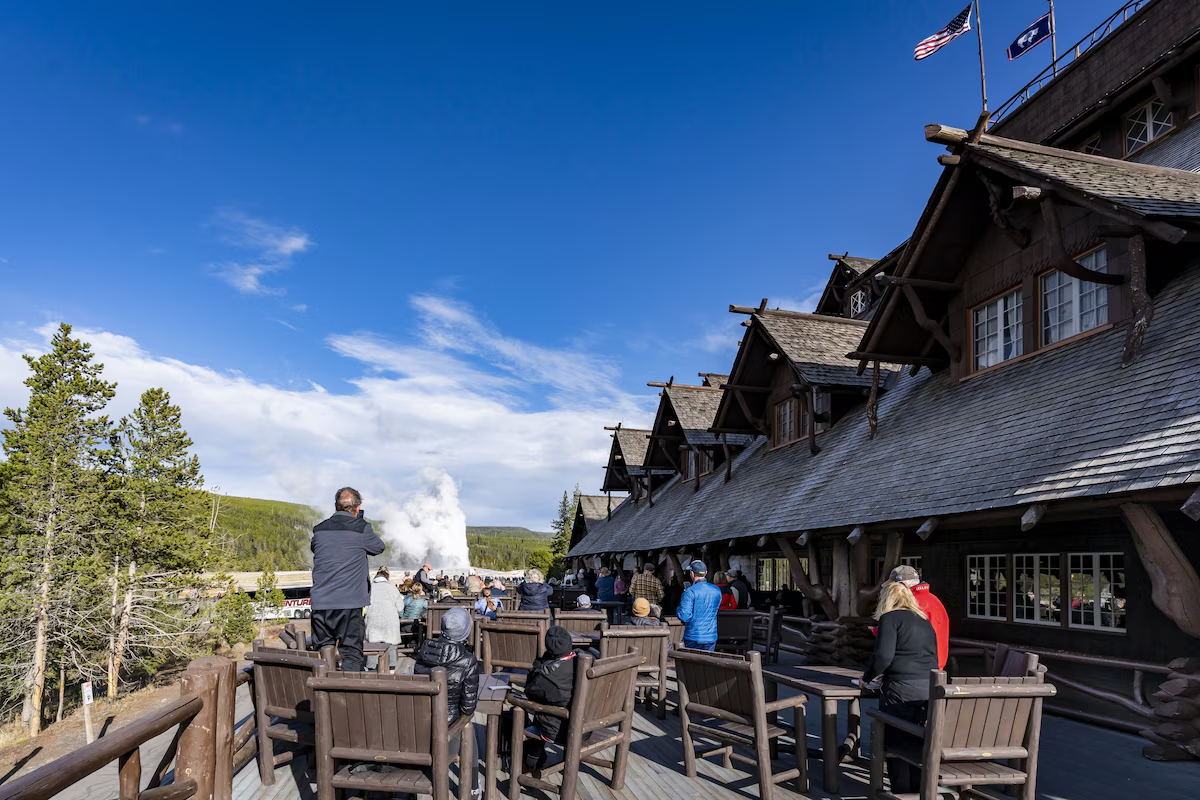
Mid-morning: Drive to Old Faithful and Upper Geyser Basin (1.5-2 hours). Check eruption times and watch Old Faithful shoot 8,000 gallons of water 180 feet in the air. Walk the boardwalk to see other geysers, including Morning Glory Pool, which is a 1.4-mile hike. Wander around the historic Old Faithful Inn and enjoy a huckleberry ice cream on the upper patio overlooking Old Faithful.
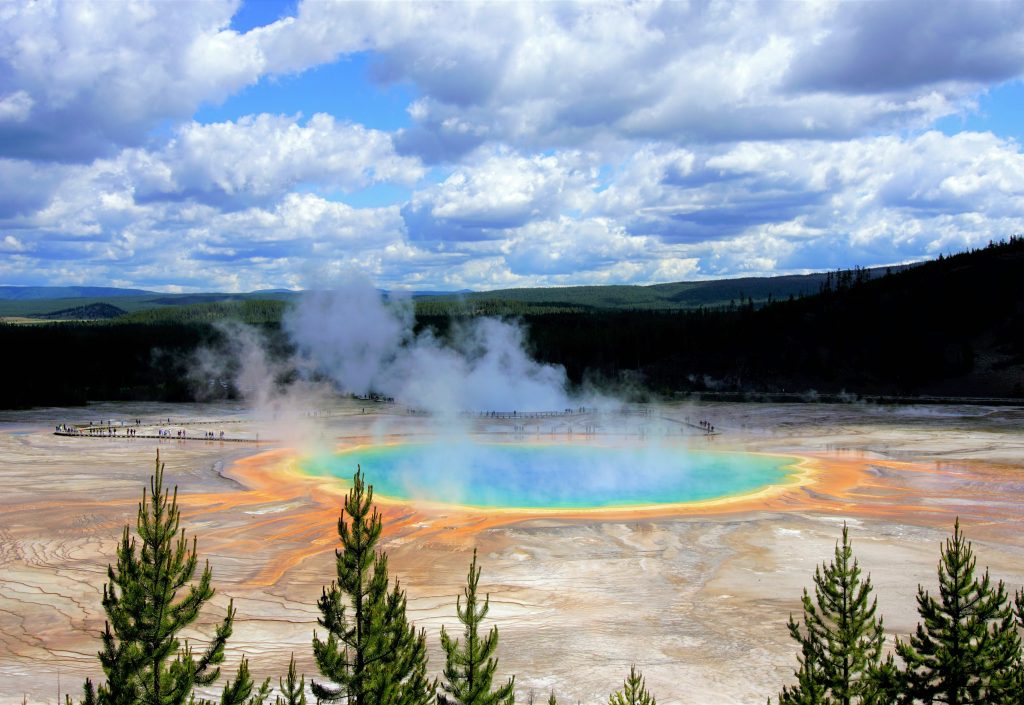
Afternoon: Visit Grand Prismatic Spring at Midway Geyser Basin (45-60 minutes). This is Yellowstone’s most photographed feature—a massive rainbow-colored hot spring. Hike the Grand Prismatic Overlook Trail (1.2 miles round trip) for aerial views.
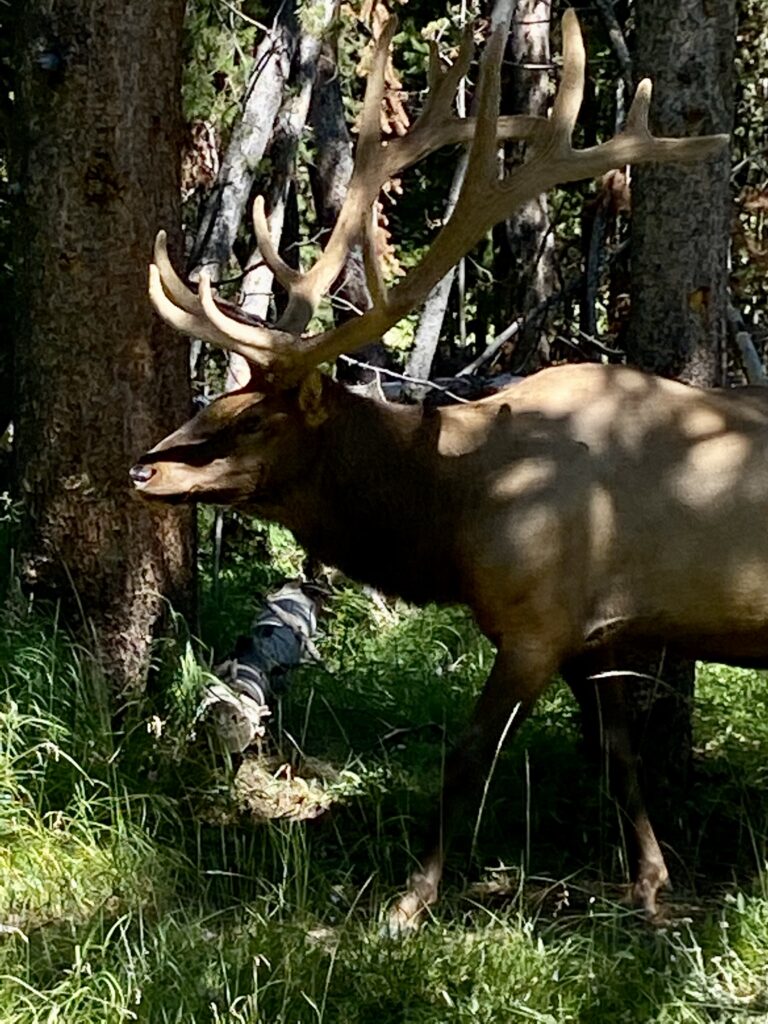
Evening: Drive through Hayden Valley (30-60 minutes) watching for bison, elk, and grizzly bears. End your day around the Canyon Village area. If you can get a reservation in Canyon Village, it’s a great, central place to stay. Otherwise, head to your hotel in West Yellowstone. Check out the Yellowstone Lodging Guide for more suggestions on where to stay.
Day 2: Yellowstone Lower Loop (East Side)
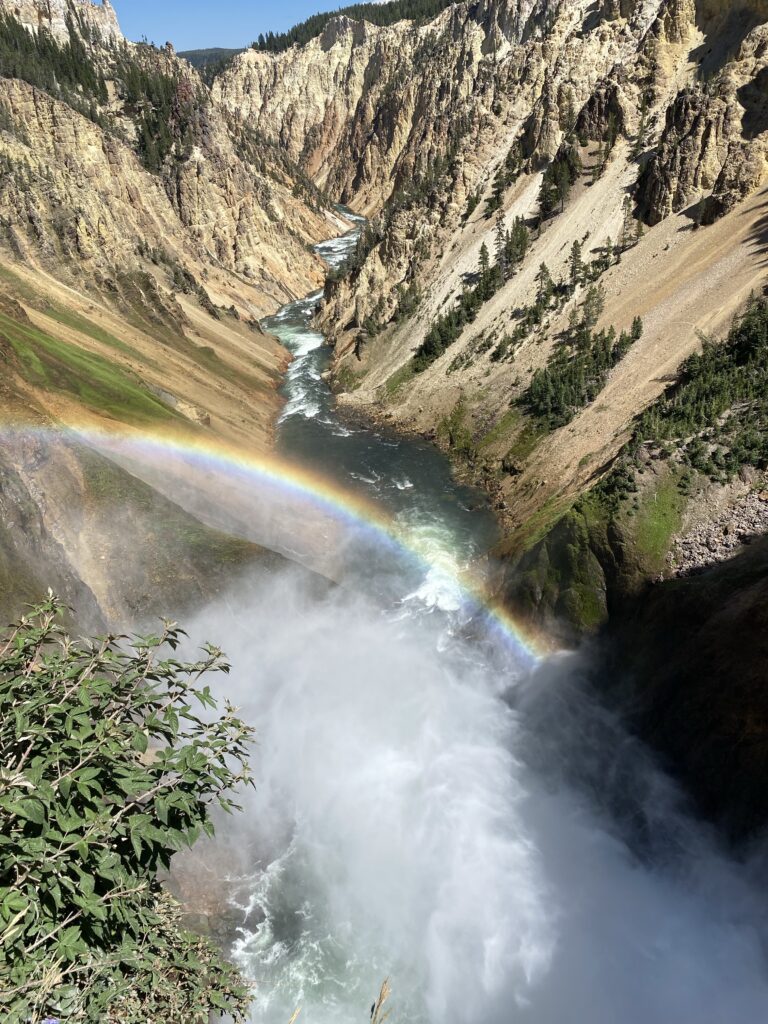
Morning: Drive north through Hayden Valley again (wildlife is most active at dawn and dusk, so the earlier the better). Visit the Grand Canyon of Yellowstone. Start at Artist Point on the South Rim for the classic view of Lower Falls (308 feet) framed by yellow canyon walls. Then, visit Upper Falls viewpoint.
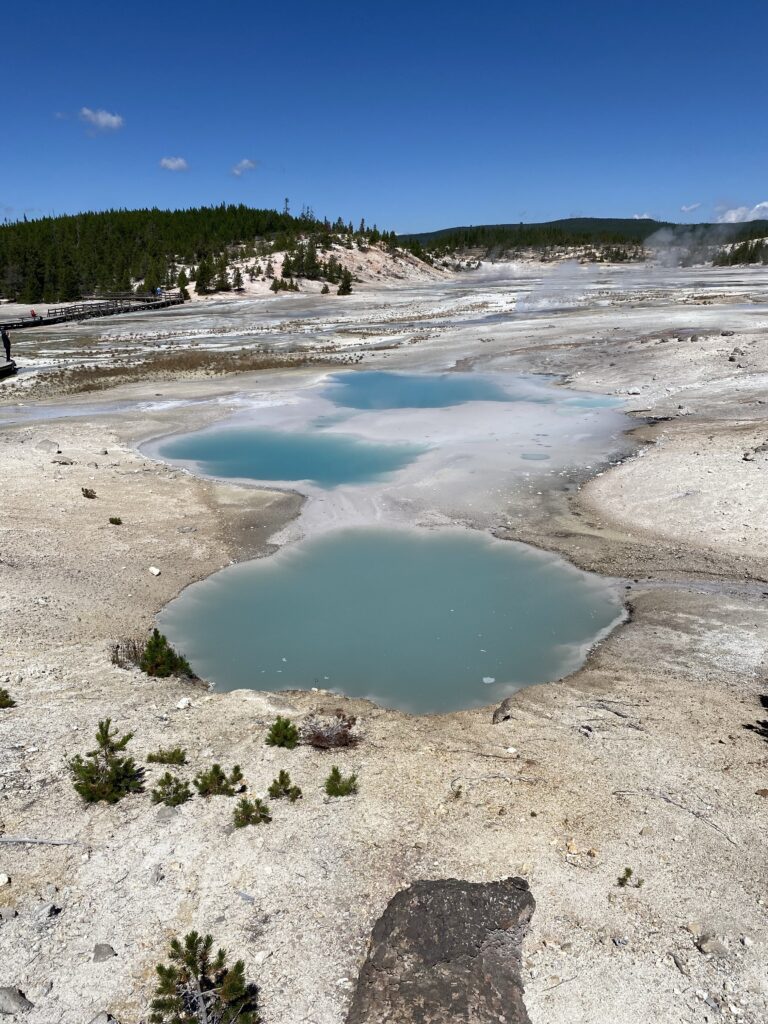
Afternoon: Visit Norris Geyser Basin, Yellowstone Lake, or head directly toward Grand Teton. Drive south through the park, exiting via the South Entrance.
Evening: Arrive in Jackson for dinner and lodging.
Day 3: Grand Teton
Morning: Enter Grand Teton from the south. Make a quick stop at the Visitor Center and then drive north on Teton Park Road, stopping at scenic overlooks.
Soak in the scenery at Jenny Lake. This is the view you see on all the postcards. It’s stunning and exactly why I love the Grand Tetons so much. You can walk around the lake, enjoy the view from a bench, or take the Jenny Lake boat shuttle to get a view from the water. I highly recommend taking the boat and then hiking to Hidden Falls and Inspiration Point (2.4 miles). If you want to hike more, the trail continues up into the Valley with amazing views the whole way (and a great opportunity to see moose).
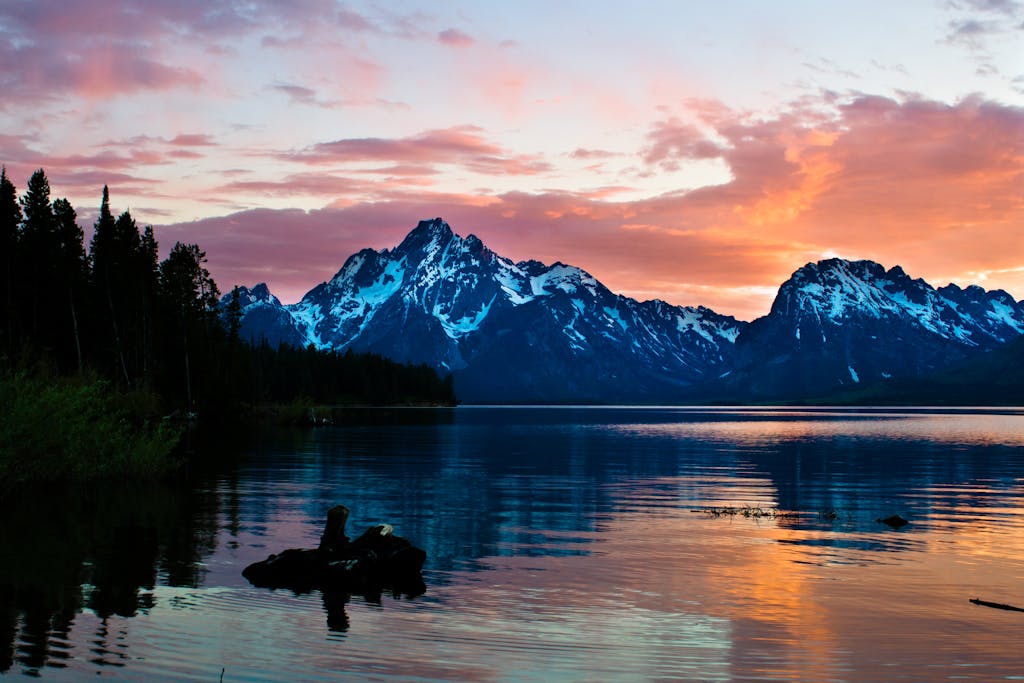
Afternoon: Have lunch at the Signal Mountain Lodge with a view of Jackson Lake (and another highly recommended place for huckleberry ice cream). Take a kayak out from the Jackson Lake Marina (first-come, first-served) or swim in String Lake, which is the narrowest lake in the park, so it gets as warm as glacier-fed water is going to get! Refreshing if you are there on a hot day.
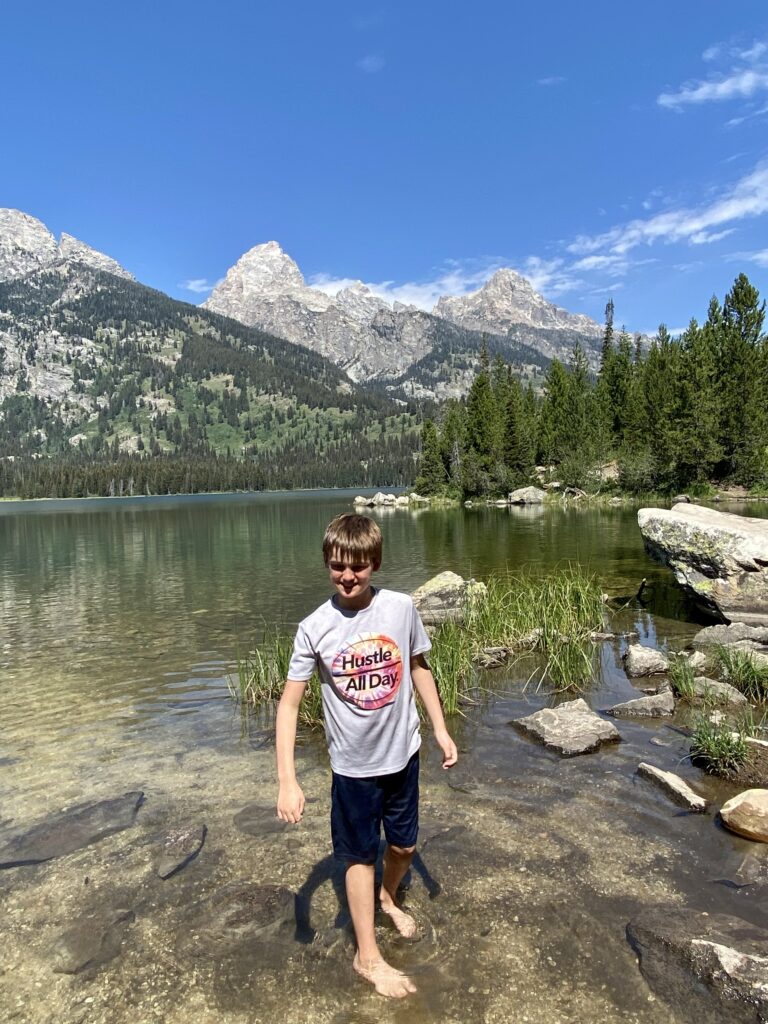
Dusk: Hike Moose Pond Lakes (a short hike starting from Jenny Lake or drive to Schwabacher Landing for more postcard-worthy views. I have had great luck spotting moose at both of these places at dusk. Head back to Jackson to explore the town.
The 5-day balanced itinerary
With five days, you can see both loops of Yellowstone and properly experience Grand Teton’s hiking. This is the sweet spot most visitors aim for.
Days 1 and 2: Yellowstone Lower Loop
Same as the 3-day itinerary.
Day 3: Yellowstone Upper Loop
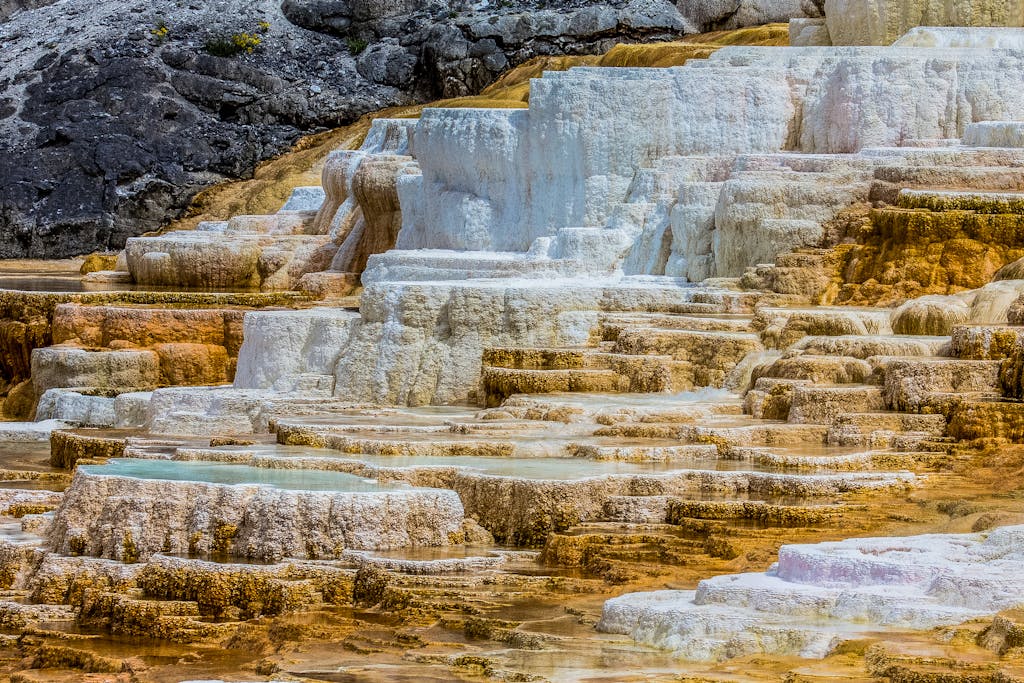
Morning: Explore Mammoth Hot Springs terraces. Walk both the Lower Terrace boardwalk and Upper Terrace Drive to see the white and orange travertine terraces.
Mid-morning: Drive east toward Lamar Valley (1.5-2 hours from Mammoth). This is the “Serengeti of North America” and the best wildlife viewing in Yellowstone. Bring binoculars and scan for wolves, bears, bison, elk, and pronghorn. Don’t worry if you’re not good at spotting wildlife. You can just spot the people out of the cars with cameras and binoculars, and chances are they are looking at wildlife!
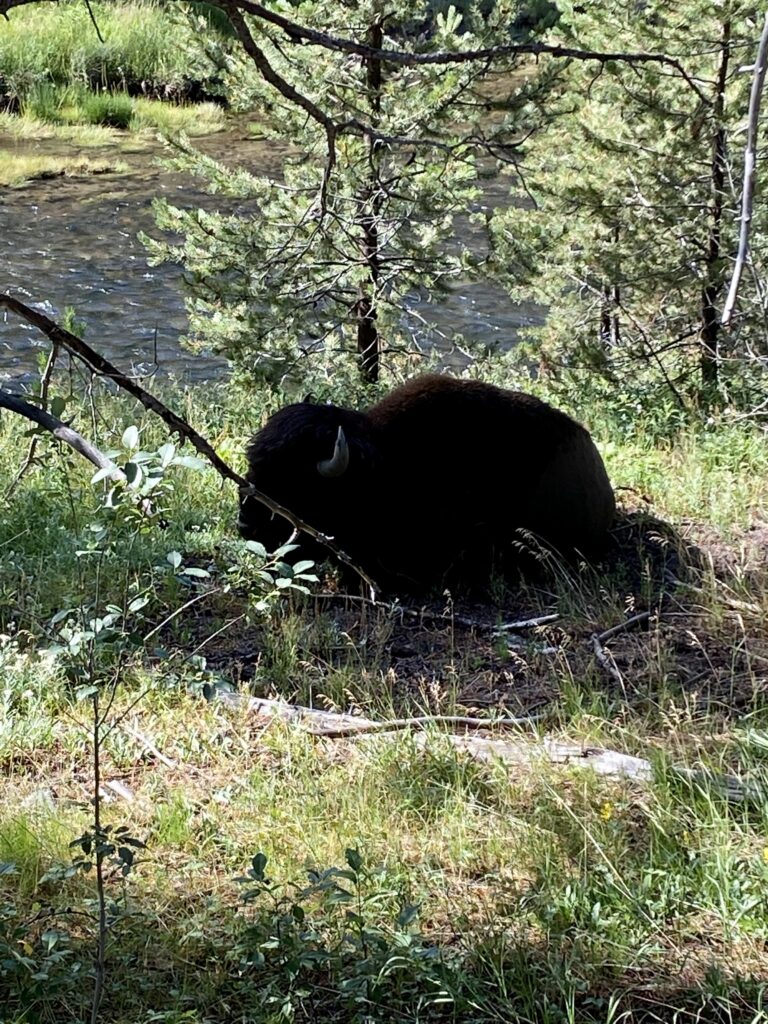
Afternoon: Drive back west, stopping at Tower Fall (132-foot waterfall) on your way.
Evening: Head south toward Jackson, and if you have time, take a short carriage ride through the town of Jackson.
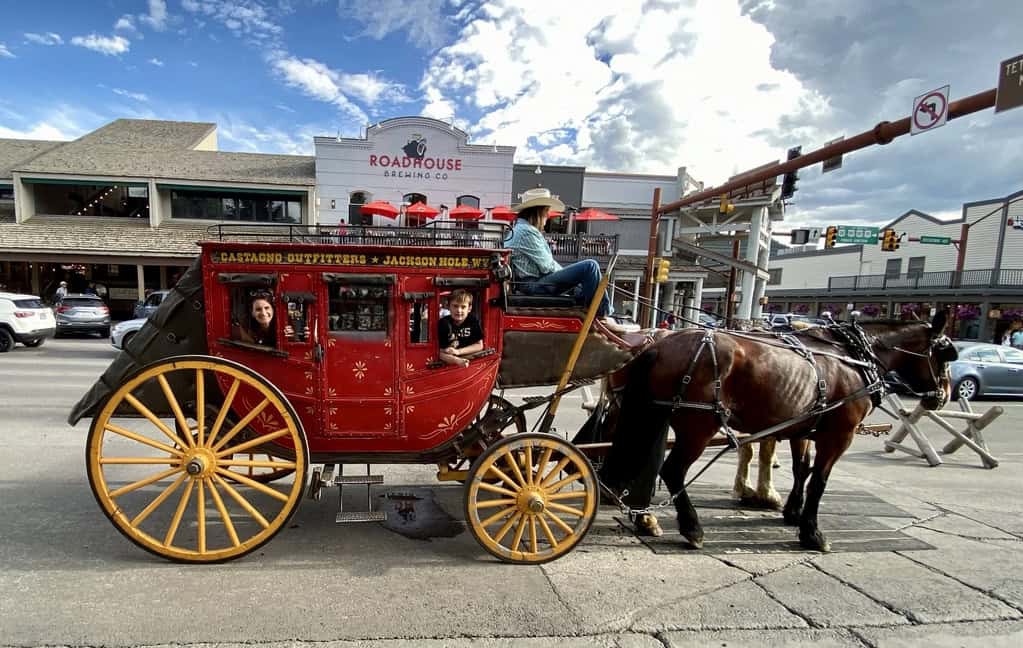
Day 4: Grand Teton (Jenny Lake)
Follow day 3 of the 3-day itinerary.
Day 5: Grand Teton (Big Hike or Scenic Drive)
Morning: If you feel like rising early, sunrise at Schwabacher Landing for iconic Teton reflections and possible moose sightings.
Mid-morning: Visit Mormon Row to photograph the Moulton Barns with the Tetons behind them for a great scenic drive. If you want to hike, Taggart Lake (3.2 miles) or the Phelps Lake hike (6.5 miles), which has a great (but safe) 25-foot rock jump, that my son loved, are great options.
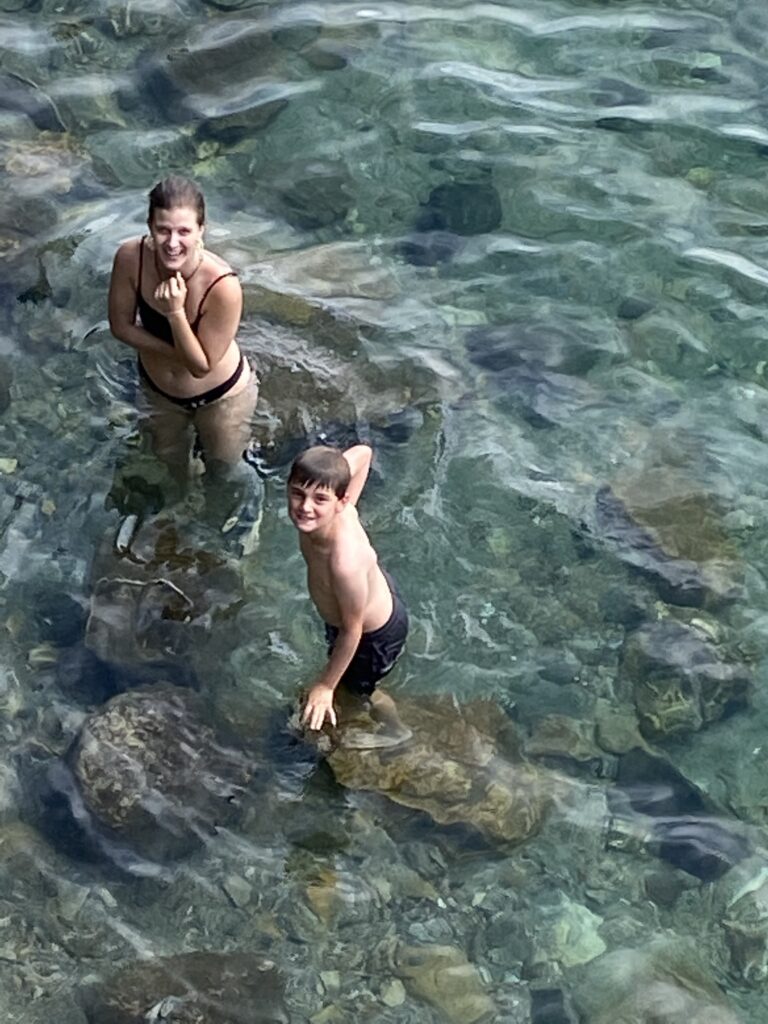
Afternoon: Drive to Oxbow Bend (excellent for wildlife, including moose, elk, trumpeter swans). Continue north to Jackson Lake and Colter Bay for lake views.
Alternative: Make your Jenny Lake a big hiking day and do more of the Cascade Canyon Hike past Inspiration Point. The full hike is 13 miles round-trip, but you don’t have to do all of it. The views are amazing, and there’s marshland and shallow pools where I saw 3 moose in one day. The possibilities for how you structure a couple of days in the Grand Tetons are endless, and all depend on what you like to do!
Evening: Explore Jackson town, including the shops, breweries, and Town Square with elk antler arches.
The 7-day complete itinerary
A full week lets you explore both parks thoroughly, add challenging hikes, and have time for wildlife watching without rushing.
Days 1-5: Same as 5-day itinerary
Cover the Lower Loop highlights, Grand Canyon of the Yellowstone, Upper Loop with Lamar Valley, and your first day in Grand Teton at Jenny Lake.
Day 6: Grand Teton (Challenging Hike or Moose-Wilson Road)
Option A (Hikers): Tackle a challenging trail like Delta Lake (7.6 miles, 2,300 feet gain, stunning turquoise alpine lake) or Cascade Canyon (the alternative option on Day 5).
Option B (Wildlife lovers): Drive the Moose-Wilson Road (unpaved, scenic back route through the park, excellent for moose viewing). Stop at Laurence S. Rockefeller Preserve for shorter hikes.
Afternoon: Final sunset at Jackson Lake Lodge terrace.
Day 7: Water Adventure
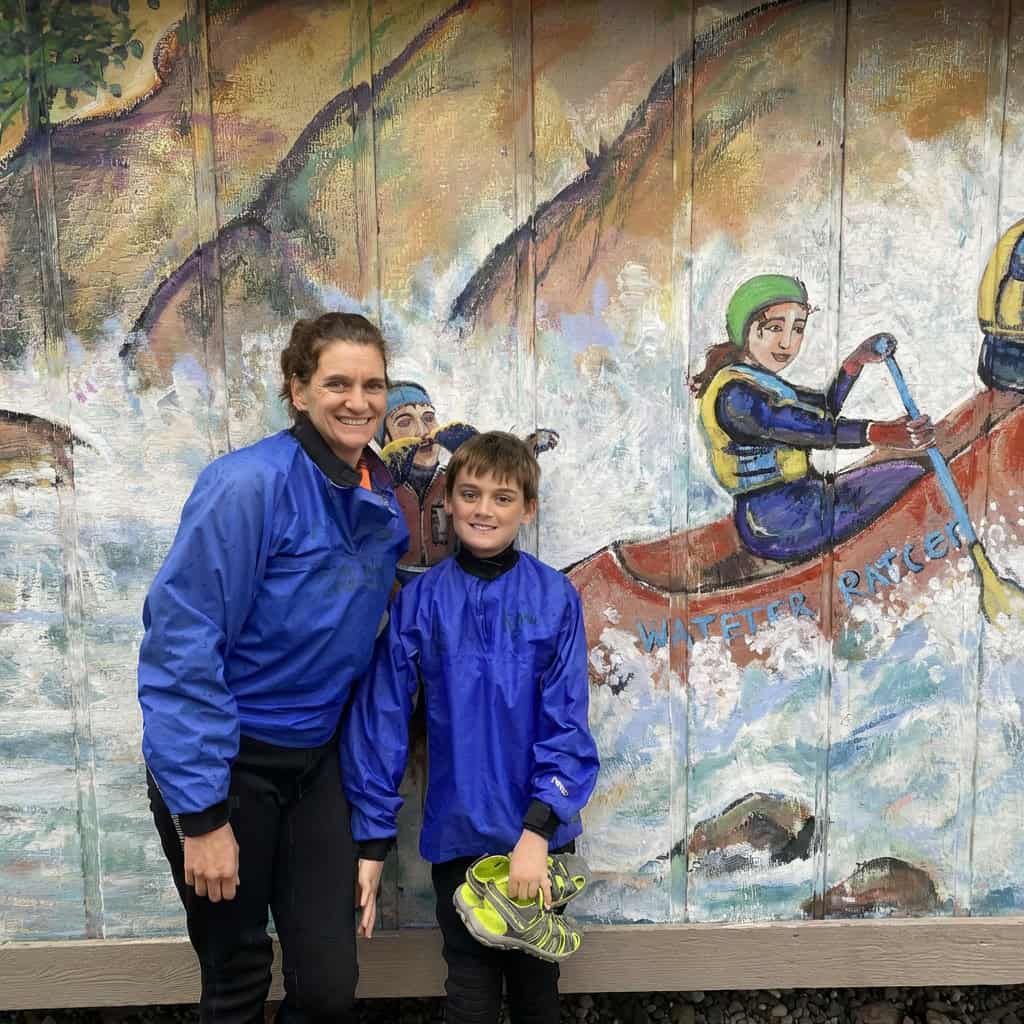
Book a scenic float trip on the Snake River near the Grand Tetons or add a day in Yellowstone to tackle some white water. The Mad Mile on the Gallatin River is Class fours in the spring and calmer later in the summer as the water levels go down. There’s also a more family-friendly section of the Gallatin suitable for younger kids.
Where to stay
Where to stay is complicated and warrants its own blog post (this one is getting long enough). Check out my Yellowstone Lodging Guide. But here’s the Cliff Notes version.
Yellowstone lodging
If you want to stay in one central location where you can access both loops, Canyon Village inside the park is the best place to be, with Yellowstone Lake being the 2nd most centrally located inside the park. Just because a lodge is inside the park doesn’t mean it’s close to where you want to be since the park is so huge.
If these options are out of your budget or already booked, I’d strongly recommend splitting your stay between West Yellowstone (west entrance for the Lower Loop) and Gardiner (north entrance for the Upper Loop).
Grand Teton lodging
Staying inside the park, especially at Jackson Lake Lodge or Jenny Lake Lodge, can provide a great experience if you want to wake up and go to bed that close to the lake, but it’s very expensive. The town of Jackson is super convenient and offers great restaurants, so I always recommend staying there. See my Yellowstone and Grand Teton Lodging Guide for specific recommendations.
Common mistakes to avoid
1. Trying to do both parks in 2 days. They are way too big, and you will spend way too much time driving.
2. Not accounting for wildlife jams in Yellowstone. When a bear or bison appears near the road, traffic can stop completely. sometimes for 30+ minutes.
3. Skipping the Upper Loop of Yellowstone. Most people only do the Lower Loop. Lamar Valley and Mammoth Hot Springs are absolutely worth the extra day.
4. Underestimating driving distances in Yellowstone. It is 2.5+ hours just to drive one loop without stops. Add stops, traffic, and wildlife jams, and you will be in the car 4-6 hours per day.
5. Not hiking in Grand Teton. Many people just drive through Grand Teton without hiking. You are missing the best part. Even if you just walk around Jenny Lake or do the short hike to Moose Ponds or Inspiration Point, it’s worth it.
6. Staying only in Jackson for a Yellowstone trip. Jackson is great for Grand Teton, but it’s 1.5-2 hours from Yellowstone’s main attractions in the Lower Loop and even more in the Upper Loop. It’s worth hopping from hotel to hotel to stay in or close to Yellowstone.
Best time to visit
I always recommend shoulder season if you can, but peak season is peak for a reason!
June-August (peak season): All roads open, warmest weather, all facilities operating. But expect crowds. July and August are the busiest months.
May and September-October (shoulder season): Smaller crowds, pleasant weather, wildlife is very active (spring babies in May, elk rut in September). Late May can still have snow at high elevations. Late October risks early winter storms.
April and November: Unpredictable. Some roads may be closed due to snow. Tioga Road (connecting the loops in Yellowstone) often does not open until late May and closes in October. Fewer services available.
December-March (winter): Yellowstone transforms into a winter wonderland accessible mainly by snowcoach or snowmobile. Grand Teton’s main roads remain open, but hiking trails are snow-covered. This is for winter sports enthusiasts and photographers.
FAQ: your questions answered
How many days do I need for Yellowstone and Grand Teton?
Minimum of 3 days (2 in Yellowstone, 1 in Grand Teton) to see highlights without feeling completely rushed. Ideal is 5-7 days: 3-4 days in Yellowstone to see both loops, and 2-3 days in Grand Teton for hiking and wildlife viewing. Yellowstone is bigger, so most people spend more time there, but it really depends on your priorities.
Can I visit both parks in one day?
Technically, yes, but I wouldn’t recommend it. You could drive through Yellowstone’s Lower Loop in one day and continue to Grand Teton in one very long day (12+ hours). If you truly only have one day, pick one park. Do not try to do both.
How far apart are Yellowstone and Grand Teton?
It depends on where you are in each park, as they are actually connected. West Thumb in the southern part of Yellowstone to Colter Bay in the northern part of Grand Teton is about an hour. Old Faithful to the town of Jackson is about 2.5 hours.
Should I stay in Yellowstone or Grand Teton?
Split your stay. Stay near Canyon Village or West Yellowstone for your Yellowstone days (2-3 nights), then move to Jackson for your Grand Teton days (2-3 nights). This minimizes daily driving and gives you better access to each park’s attractions.
Do I need a car for this trip?
Yes, a car is essential. Both parks are huge and not walkable. Public transportation is extremely limited. Most visitors fly into Jackson Hole Airport or Bozeman and rent a car.
What is the best airport for Yellowstone and Grand Teton?
Jackson Hole Airport is inside Grand Teton National Park. It’s the closest option and most convenient for this itinerary, but you may have limited flight options. Bozeman, Montana, is 1.5 hours from Yellowstone’s north entrance, which is better if you are starting in Yellowstone and ending in Grand Teton. Salt Lake City is 4-5 hours away if you want a larger airport.
Stop researching and start planning
There is no one 3, 5, or 7-day itinerary that will work for everyone. It all depends on what you want to do. You could spend weeks reading blogs, watching YouTube videos, and trying to piece together the perfect Yellowstone and Grand Teton itinerary.
Or if that feels overwhelming, you could let me customize an itinerary specifically for you. I’ll map a day-by-day plan based on your pace, where you want to stay, etc. It’s the flexibility of DIY travel without the hours and hours of DIY research.
Let’s plan your trip
Set up a free consultation or tell us about your trip to get a quote.
This post contains affiliate links. If you click a link, I may earn a small commission—at no extra cost to you.