Solo Travel

Discover yourself

Solo travel doesn’t mean you are always alone. I went to Peru myself after a break-up and ended up meeting a lifelong friend. Had I gone with that boyfriend, I probably would have never struck up a conversation with a stranger in a tour office that led to a 5-hour dinner and years of friendship. These stories happen more often than you think.

Whether you are going through a life transition, or have bucket list destinations that don’t align with your friends and family, traveling solo in nature can be an amazing way to reflect and take restock of your life. I can help you choose tours and activities so you won’t be alone. Or the perfect hike if you want solitude.
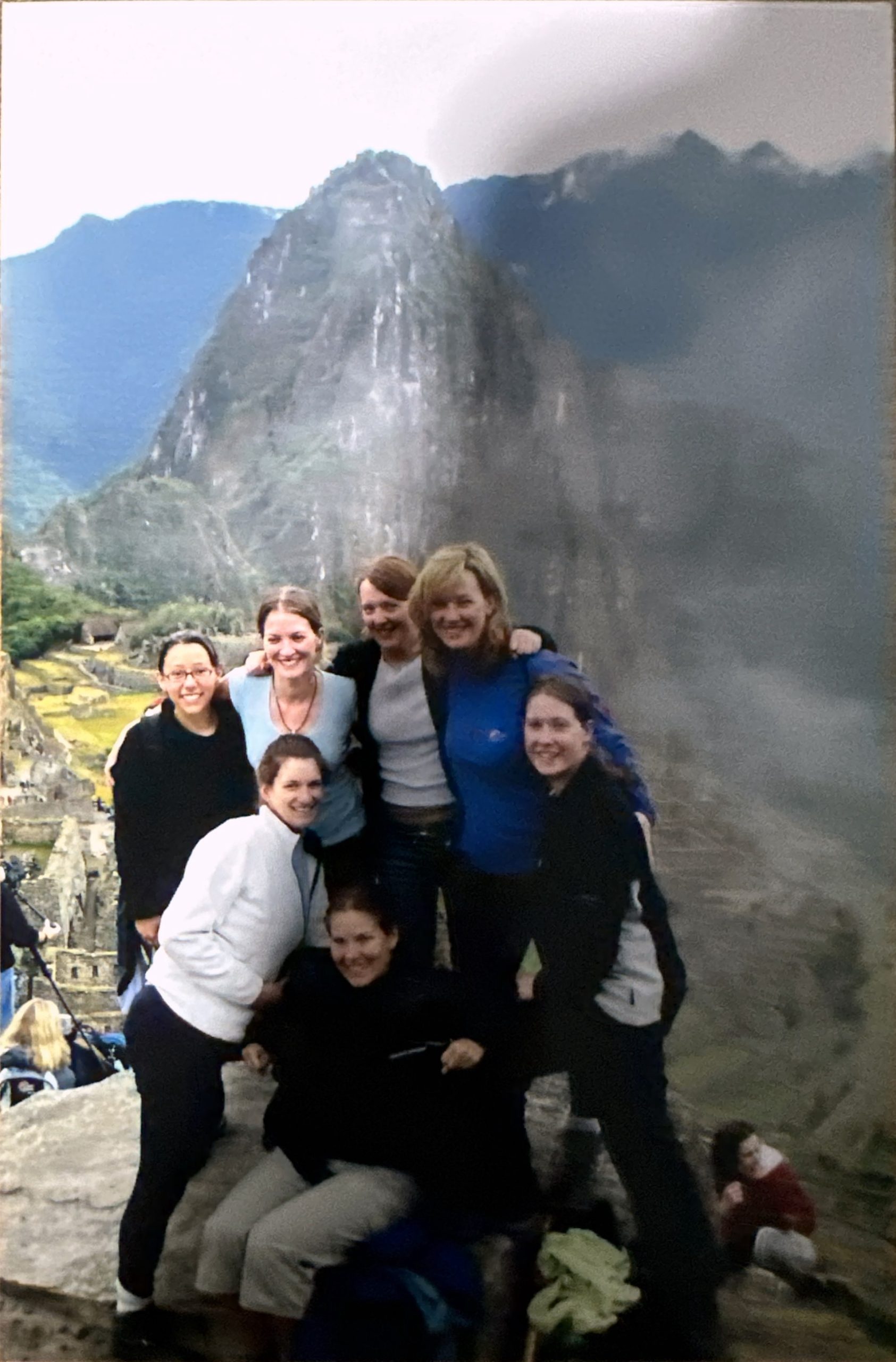
Solo Travel on the Inca Trail with overlook of Machu Picchu in the Andes Mountains, Peru
My solo trip to Peru with new friends I made hiking the Inca Trail.
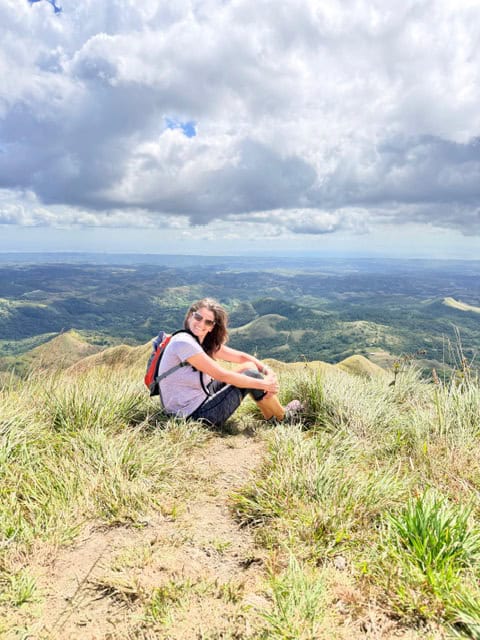
A solo trip to Panama. Someone offered to take my picture and then we hiked and had coffee together!

Frequently Asked Questions

Yes, although common sense rules still apply in the outdoors, whether you are solo or not. National parks have rangers, visitor centers, and many other travelers during peak season, providing inherent safety. Cell service can be limited. Solo hiking safety rules: tell someone your detailed itinerary, stick to popular trails during daylight hours, carry a whistle and first aid kit, know bear/wildlife protocols, bring more water than needed, and trust your gut if something feels off. If you are going to popular parks in peak or shoulder season, it’s rare to be on a trail by yourself. Women traveling solo should choose well-traveled trails and stay in established campgrounds or lodges. The greatest risks are wildlife encounters and getting lost/injured on remote trails, both mitigated by preparation and staying on marked popular routes.

Join single-day tours through Viator, Getaway, or local outfitters (guided hikes, kayaking, photography workshops) where you’re automatically grouped with others. Stay in hostels (Mammoth Lakes, Jackson Hole, and Moab have options) or campgrounds where communal fire rings facilitate conversation. Sit at restaurant bars rather than tables. Bartenders and neighbors often chat. Use apps like Meetup, Tourlina (women-only), NomadHer, or park-specific Facebook groups to find hiking buddies. Attend ranger programs where fellow visitors gather. Chat at a trailhead with a simple “Have you done this trail before?” or at a hot tub after a day of hiking with “What do you do at the park today?” Stay in B&Bs with communal breakfasts. The hiking and outdoor community is generally friendly, and solo travelers often find spontaneous trail companions.

Yes, single-day tours are perfect for solo travelers wanting social time without committing to multi-day group trips. Book through Viator, GetYourGuide, or park-specific concessionaires for activities like: guided hikes in Yosemite or Glacier, white-water rafting in Grand Canyon or Yellowstone, wildlife safaris in Yellowstone/Grand Teton, kayaking tours at Lake McDonald or Jackson Lake, photography workshops, ranger-led walks, or jeep tours near Moab. These typically run 2-8 hours, cost $50-200 per person, and group you with other travelers. Don’t confuse these with full package tours that are completely planned for you, expensive, and give you little flexibility.

Women-only: Tourlina (travel companion matching), NomadHer (female travel community with ID verification), Travel Ladies (connecting female travelers, now open to all genders).

General: Meetup (find local hiking groups and outdoor events), AllTrails (connect with hikers, see who else is on the trail), Facebook groups like “[Park Name] Visitors” or “Hiking [Park Name]”.

Accommodation-based: Hostelworld chat features connect guests staying in the same hostel.

Safety apps: SafeUp, GeoSure (neighborhood safety ratings). Most apps require ID verification for safety. Start conversations online before trips to arrange meetups or shared hikes. Reddit’s r/NationalPark and park-specific subreddits also facilitate connections.

It really depends on whether you like to camp and if you don’t mind carrying the gear you need. Campgrounds can facilitate more organic social interaction, especially at communal fire rings where campers naturally gather in the evenings. You’ll meet fellow campers borrowing firewood, sharing trail recommendations, or joining for s’mores. Established campgrounds feel safer than dispersed camping with camp hosts and other people nearby. Hotels/lodges offer more comfort, security, and easier mornings, but less social opportunity unless they have common areas. The best compromise can be hostels (Mammoth Lakes, Moab, Jackson) or B&Bs with communal breakfasts, which combine private sleeping with social spaces.

Absolutely. As a solo introvert, you get to choose when you are social and when you are alone in nature. You can plan your itinerary with both group activities (when you want connection) and solo time (for recharging). You could book a guided morning hike with others, then spend the quiet afternoon on a solo trail or reading by a lake. Meet people at a ranger program or sitting at a restaurant bar, or grab take-out at your hotel when you need solitude. Many introverts find solo travel less draining than group vacations because there’s no obligation to be “on” constantly.


Being in nature, even just a little bit, shifts our brains toward calm, connection, and creativity.”
Florence Williams, author of The Nature Fix